Key West Waterfront Living Beyond The Tourist Scene
July 16, 2026
July 16, 2026
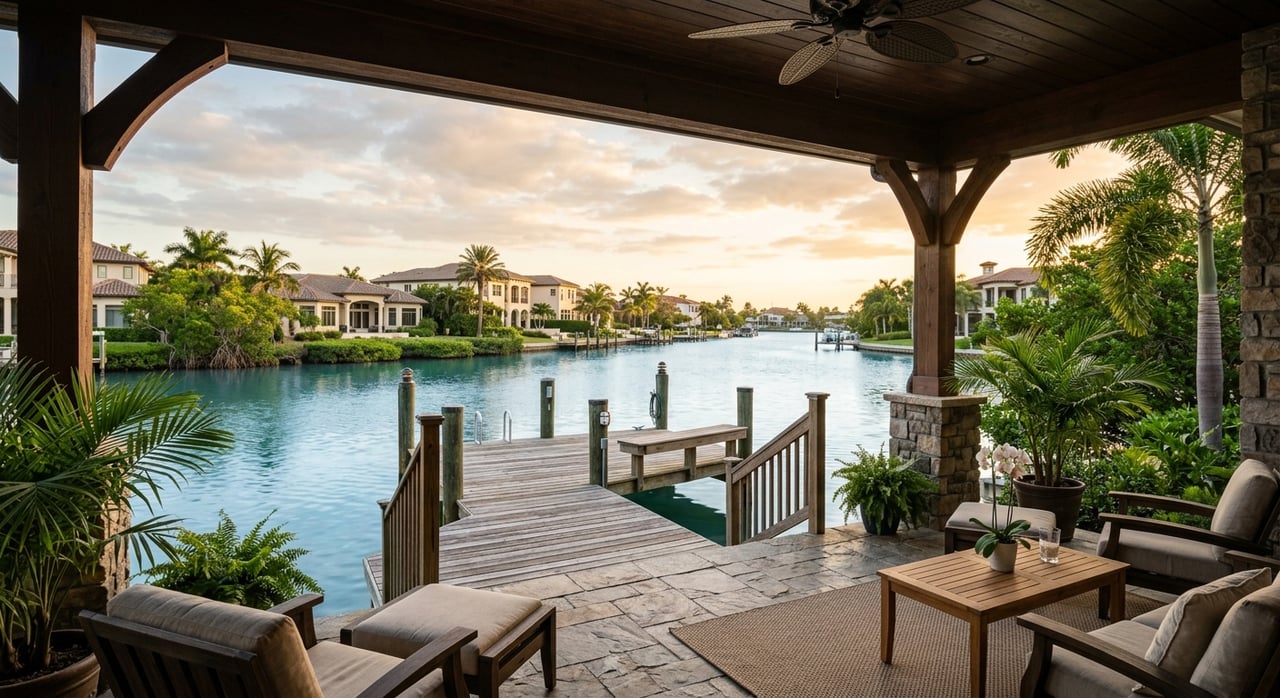
What if the best part of Key West waterfront living has very little to do with vacation mode? If you are thinking about buying near the water here, it helps to know that daily life looks different from the postcard version many visitors see. This guide will show you what really shapes waterfront living in Key West, from walkability and dockage to parking, historic rules, and the neighborhoods that feel connected to real local routines. Let’s dive in.
Key West waterfront living is compact, mixed-use, and highly walkable. In many parts of the island, the experience is less about large private lots and more about how close you are to water access, marinas, errands, dining, and everyday services.
That difference shows up in the city’s corridor patterns. The historic district includes commercial and mixed-use corridors around Truman Avenue, Duval south of Truman, much of Simonton and Caroline, and the Key West Bight area, while other nearby areas carry a stronger residential character.
For you as a buyer, that means waterfront living often comes down to practical fit. You may be comparing parking access, dockage options, and walkability just as much as views or lot size.
Key West Bight is one of the clearest examples of waterfront living that blends into daily neighborhood life. The city describes it as part of the Historic District, and the marina includes deep-water transient slips, showers, laundry, and pump-out services, all within walking distance of Old Town destinations.
The Bight also sits within the city’s historic working waterfront. That matters because it gives the area an active, lived-in feel rather than the feel of a stand-alone resort enclave.
If you want to stay connected to the pulse of town, this area often appeals to buyers who value being able to dock, walk, and enjoy a flexible day-to-day routine. It is especially relevant if your idea of waterfront living includes both boating access and easy trips on foot.
On the north side, City Marina at Garrison Bight is another important hub. The city says it has 245 slips and supports live-aboard, recreational, and transient boating activity.
The nearby Garrison Bight Mooring Field adds another option for owners who want to keep a vessel in the water without a full slip. The city lists 149 moorings, and registration requires documentation such as vessel title or documentation, registration, dinghy registration, liability insurance, and recent photos of the vessel and dinghy.
This part of Key West can make sense if your search starts with boating logistics. Amenities at the marina include security, power, water, trash removal, bath and shower facilities, laundry, pump-out service, and trailer storage.
Bahama Village offers a different rhythm. The city describes it as largely residential and multi-generational, with small corner stores, narrow streets, and limited on-street parking on many blocks.
That local pattern is important for buyers to understand. A property here may offer character and proximity to the waterfront, but your everyday experience will likely be shaped by street layout, parking realities, and how you plan to move around the area.
Nearby Truman Waterfront adds another layer to south-side living. Truman Waterfront Park includes a bike trail, parking, picnic areas, a playground, restrooms, trails, and water access, giving residents another way to enjoy the coast even without keeping a boat.
On the Atlantic side, Clarence S. Higgs Memorial Beach Park is a major public waterfront amenity. Monroe County says the park spans about 16.5 acres and includes swimming, snorkeling, Reynolds Street Pier, a dog park, tennis, pickleball, beach rentals, and a beachside cafe.
For many buyers, this is a good reminder that waterfront living in Key West does not require private dockage to feel connected to the water. Public shoreline access and nearby parks can play a big role in everyday quality of life.
In Key West, waterfront ownership often looks different from the classic image of a large single-family estate on a wide lot. In many cases, the lifestyle leans toward marina access, condo-style ownership, or other lower-maintenance options tied closely to walkability and boating infrastructure.
That can be a real advantage if you want simpler upkeep. It can also mean you need to verify details that matter a lot here, especially parking rules, dockage rights, and any property-specific restrictions before you commit.
If you are buying with a boat, it is smart to focus early on how you plan to use it. A slip, mooring field setup, or walkable marina location may fit your lifestyle better than a property that looks impressive on paper but makes boating less convenient.
Waterfront decisions in Key West often become easier once you narrow the boating questions first. That is where local knowledge can save you time.
Start with these basics:
At the Garrison Bight Mooring Field, the city caps vessel size at 50 feet and dinghy size at 13 feet. Those details may seem small at first, but they can quickly determine whether an option truly works for you.
At Key West Bight, another practical detail stands out for second-home owners. The ferry terminal there offers Key West Express service to Fort Myers Beach and seasonal service to Marco Island, which may matter if you split time between the Keys and Southwest Florida.
In Key West, parking is not a side issue. It is a major part of daily livability.
The city says a residential parking permit costs $39.13 per year. It can be used in marked residential spaces and also provides four hours of free parking once per day in select lots, including Key West Bight, the Park N Ride garage, Truman Waterfront Park, Smathers Beach, Fire Station #2, and Jackson Square at night and on weekends.
The permit is available to more than just full-time residents. The city also allows city property owners, active military stationed in Key West, and seasonal residents who live there at least four months to apply.
There are also restrictions to keep in mind. Boats, trailers, RVs, and vehicles longer than 20 feet cannot park on the street or in municipal lots.
If you are considering a condo, historic home, or property on a narrower street, parking should be one of the first items on your checklist. In Key West, convenience often comes down to where you can reliably leave your car just as much as where you can leave your boat.
Some waterfront properties in Key West fall within the local historic district. If that applies to a property you are considering, changes may be subject to HARC review.
The city says a Certificate of Appropriateness is required for interior and exterior changes on certain historic properties. Review can apply to additions, paint removal, fences, pools, decks, signs, awnings, lighting, restoration, and new construction.
This does not mean historic properties are off-limits. It simply means you should understand the approval process before planning updates, especially if you want to personalize the home or improve outdoor living areas.
A common question from buyers is whether waterfront life in Key West only makes sense for boat owners. The short answer is no.
The island’s parks, beaches, resident parking options, and transit system make it possible to enjoy a coastal lifestyle without owning a boat. You can still benefit from walkable access to the harbor, public shoreline amenities, and a day-to-day connection to the water.
The city’s transit system also supports that lifestyle. KWDoT serves Key West, Stock Island, the Lower Keys, and Marathon, operates seven days a week except major holidays, and runs routes from 5:40 AM to 10:00 PM. The Duval Loop fare is $1, and city residents age 60 and older can ride city routes free with ID.
Buying near the water in Key West also means thinking practically about coastal conditions. NOAA’s Key West tide station shows a long-term relative mean sea level trend of 2.64 mm per year from 1913 to 2025.
City planning materials also highlight flooding, drainage, wind hardening, and stormwater improvements as ongoing priorities. For you, that means the right waterfront property is not just about the view. It is also about how the location, access, and property setup align with long-term coastal realities.
The strongest Key West waterfront decisions usually come back to everyday fit. Where will you park, where will you dock, how will you get around, and does the property match the way you actually want to live on the water?
If you want help sorting through Key West waterfront options with a practical eye for boating access, walkability, and neighborhood fit, Shane Wilson can help you make a more confident move.
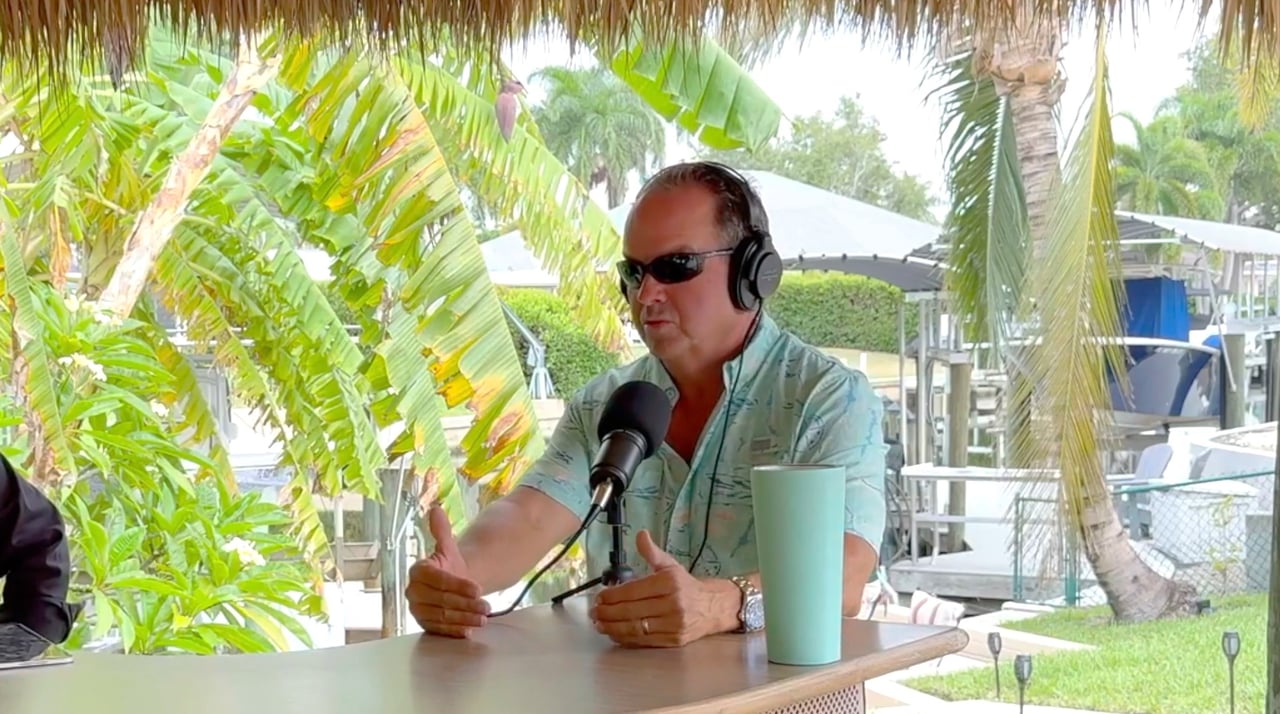
Florida Keys
Before I show a Florida waterfront home in the Keys, Cape Coral, or Fort Myers, I ask what boat you want. Draft, bridge height, and tide decide the neighborhood.
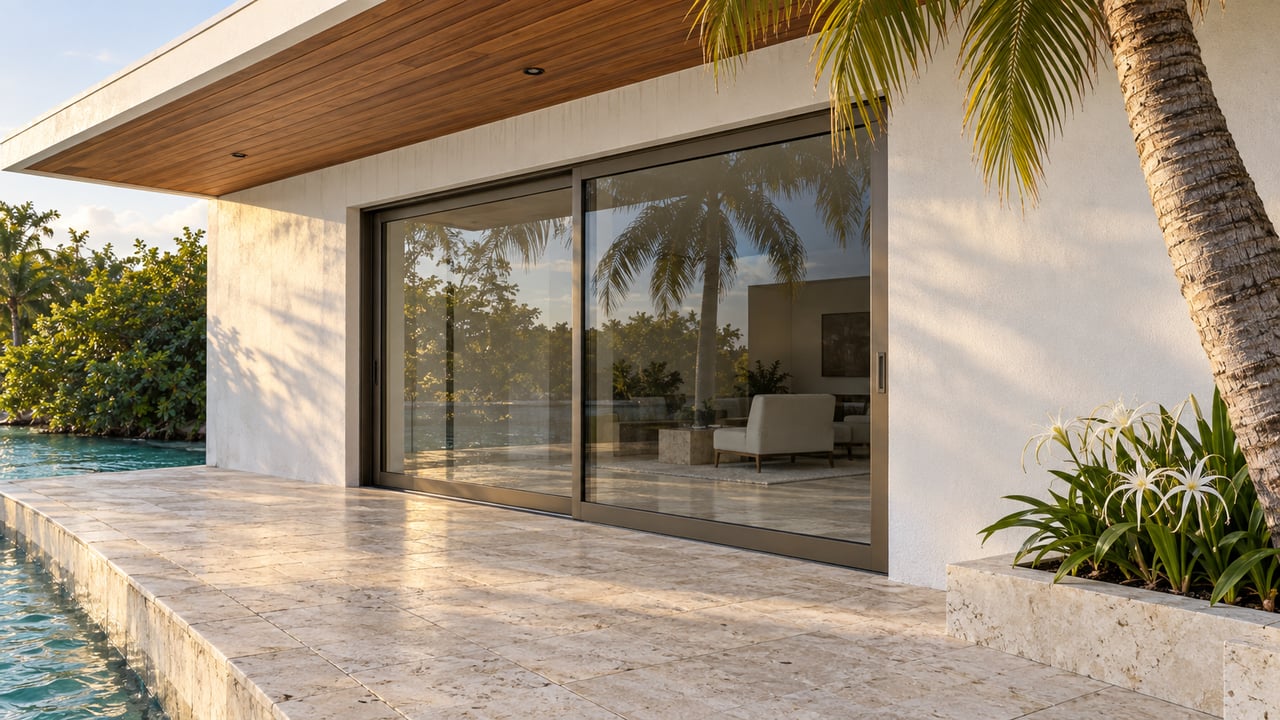
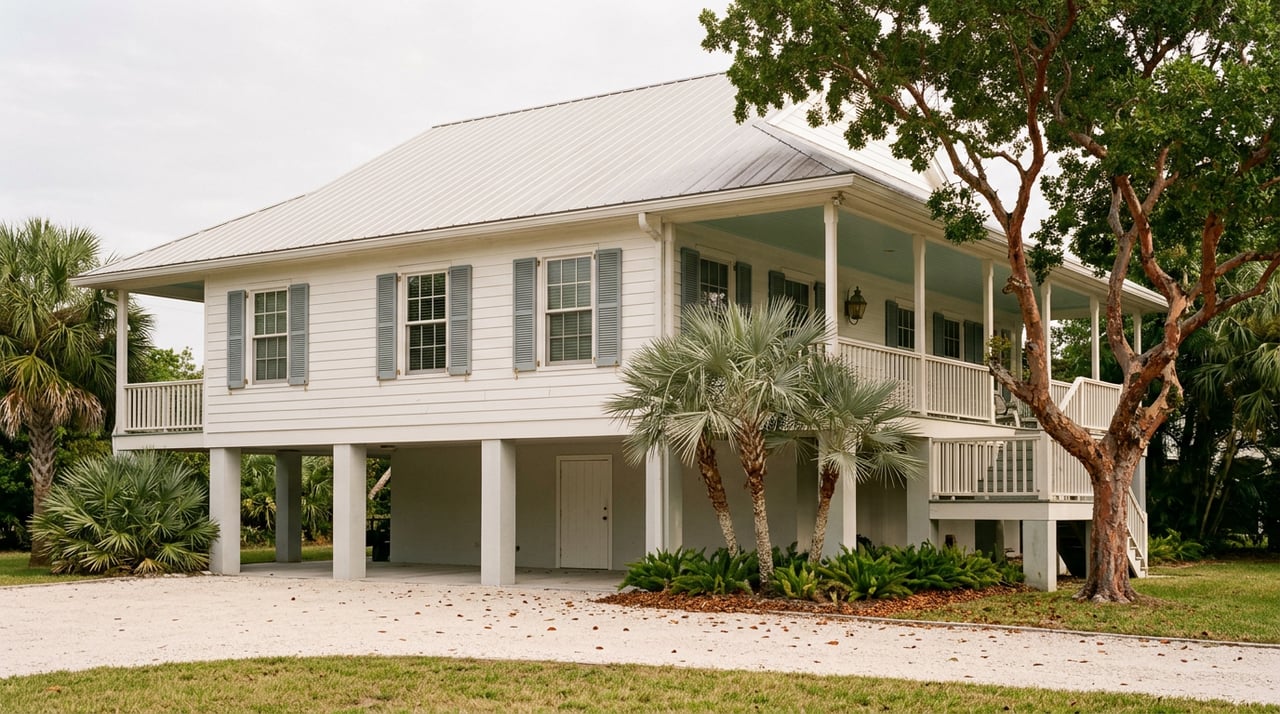
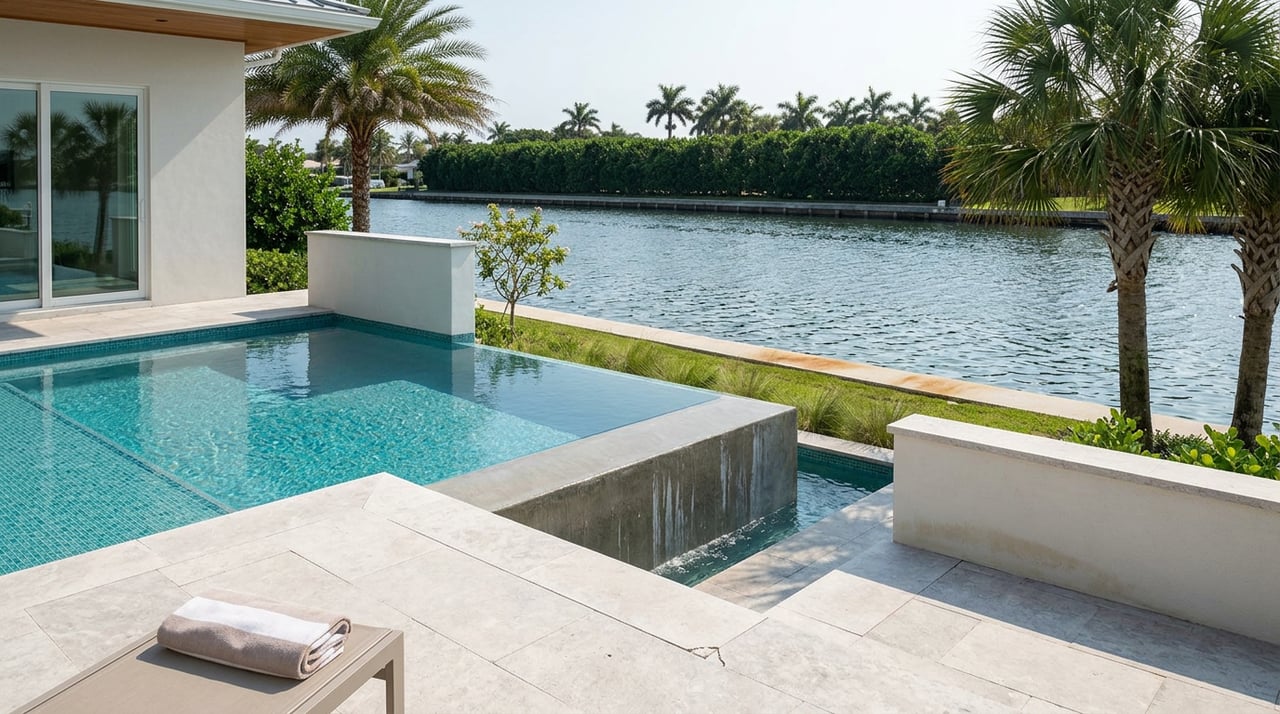
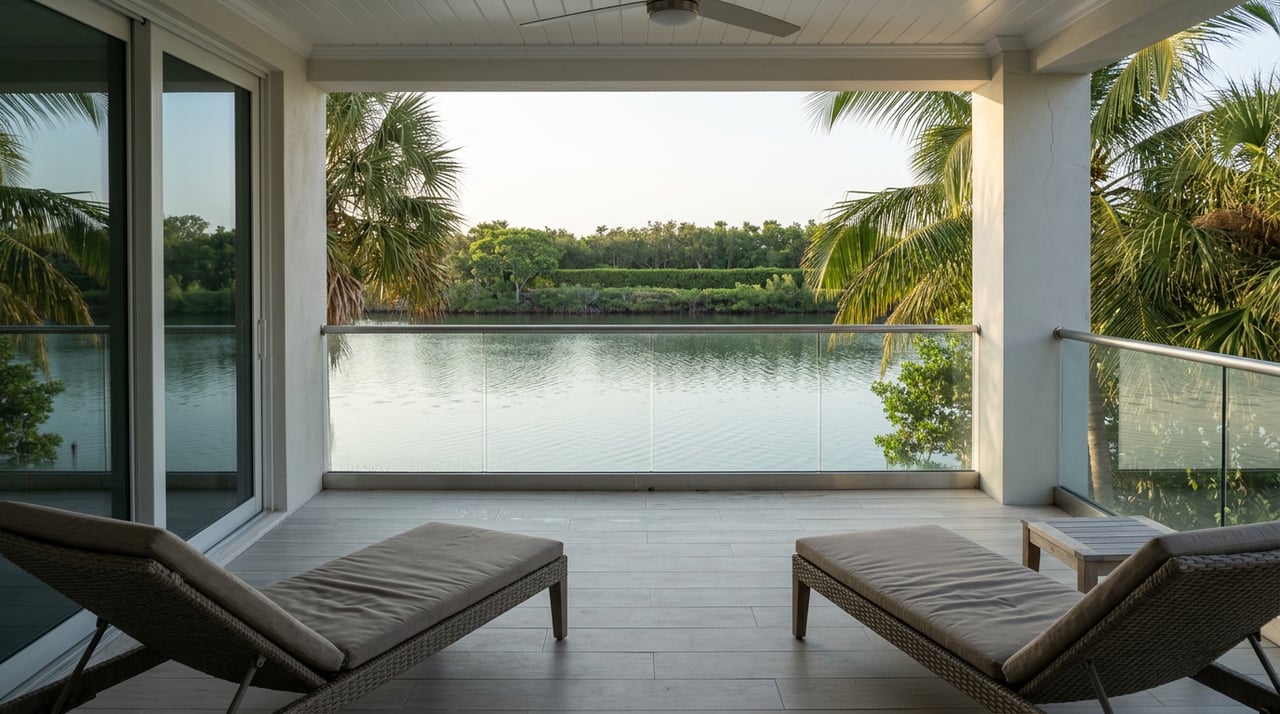
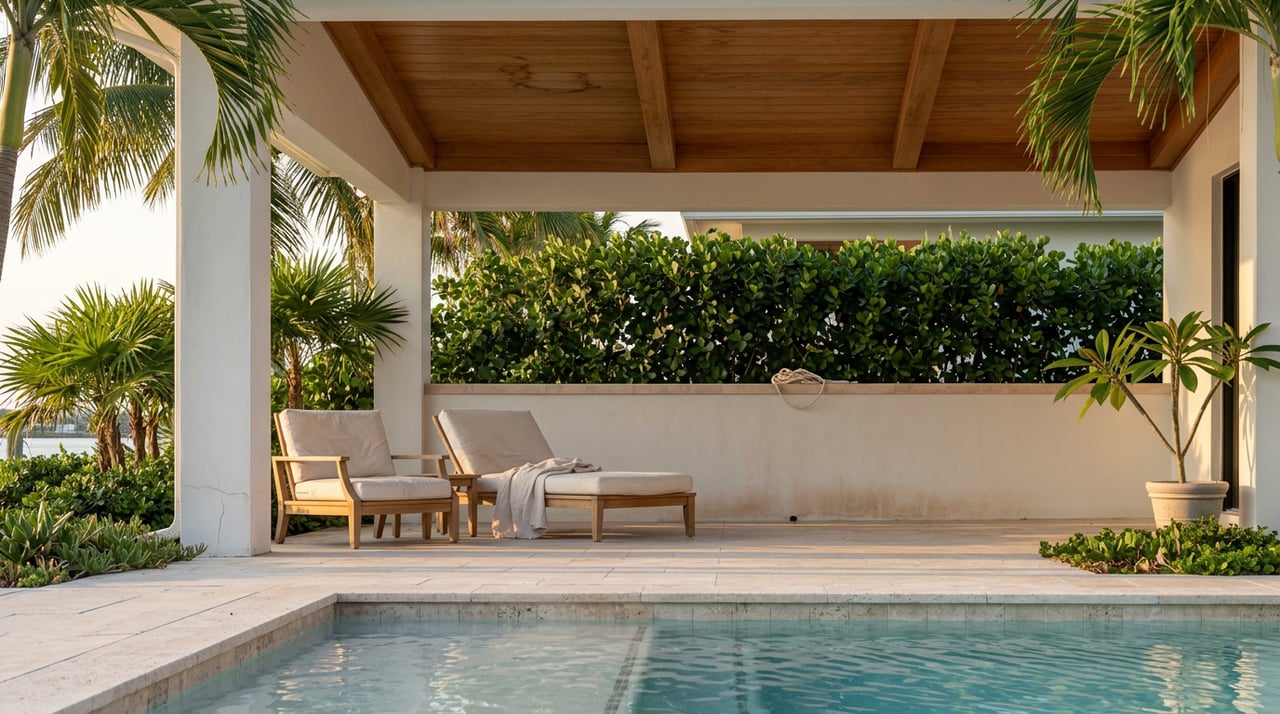
Decades of waterfront expertise, deep local roots, and a passion for the Florida lifestyle define every client experience. The Shane “Waterfront” Wilson combines extensive real estate knowledge with unmatched insight into the Florida Keys and Southwest Florida markets—helping buyers and sellers navigate every step with confidence and ease.
Get In Touch With Our Team
SHANE "WATERFRONT" WILSON
ADDRESS ISLAMORADA 85960 OVERSEAS HWY STE 4 ISLAMORADA, FL 33036 FORT MYERS 7270-4 COLLEGE PKWY FORT MYERS, FL 33907