Marathon's Bonefish Tournament Just Turned 67. Most of the Crowd Wasn't Fishing.
October 1, 2026
October 1, 2026
As Keys Weekly reported, Thursday evening, September 24, the doors opened at Marathon Grill and Ale for registration night of the Marathon International Bonefish Tournament. By the time the cocktail hour got rolling, the room held more spouses, captains, sponsors, and neighbors than actual entrants with rods in the truck. That ratio isn't a fluke of this particular year. It's the reason the tournament has lasted since 1959, longer than any other fishing contest in the Florida Keys, while the number of people actually fishing it has shrunk to a fraction of what it once was.
The tournament survives less as a fishing contest now and more as the excuse Marathon needs to fill its bars for three straight nights every September.
Butch Hewlett fished this tournament as a junior angler back when it was still young. In its early seasons, he remembers a field close to 180 people, a five-day event held every June, with a different bar or restaurant hosting appetizers each of the five nights. It was designed, as Butch put it, to bring people to the Keys and get them spending money in the motels and restaurants during a slower month.
That version of the tournament doesn't exist anymore. A past year's official recap recorded just 11 anglers competing, releasing a combined 88 bonefish over the weekend. Gene Ford of Potomac, Maryland won that year for a third time, fishing with Marathon guide Albert Ponzoa. Pat Bennett took the grand slam award for landing a bonefish, permit, and tarpon in the same tournament. Lynn Goodwin, a Marathon resident, won the ladies division with seven bonefish alongside Captain Chris Morrison. Those are real names attached to a real result, and the number sitting next to them, 11 anglers, tells you the competitive field is small enough that most regulars know each other by first name before the first line goes in the water.
The tournament didn't shrink by accident. Organizers moved it from June to late September specifically because the local guides were too busy to spare the days. Peak tarpon season eats up June and July, and a five-day tournament competing for a captain's calendar during the busiest stretch of the year was never going to hold up. So the schedule got cut to three days and pushed later in the year, timed in part to avoid the extreme low tides that make bonefish harder to stalk on the flats.
That single scheduling decision says something about how fishing actually works in Marathon. The bottleneck was never anglers willing to show up. It was guide availability. A tournament this old had to reshape itself around the working calendar of the handful of captains who know the flats well enough to put clients on fish, not around when out-of-town entrants might prefer to visit.
What's kept the tournament alive isn't the fishing field. It's a trophy sponsorship structure that turns Marathon's small businesses into stakeholders. For $200, a local business or individual gets two tickets to the closing banquet, a tournament T-shirt, and the job of walking up and handing their sponsored trophy to whoever wins it.
"If you sponsor a trophy, you get to come to all the cocktail parties, you get to come to the banquet, you get a T-shirt, and you actually present the trophy to whatever winner you're sponsoring," Barbara Hewlett told Keys Weekly. "It's a lot of fun."
Those nightly cocktail gatherings during tournament week regularly draw 50 to 60 people, a number that dwarfs the competitive field several times over. The people filling that room are captains between charters, spouses, and supporters who have no intention of casting a line but plenty of interest in seeing who wins the biggest permit award. The tournament, at this point, functions less like a fishing competition and more like a standing invitation for the town to gather around one.
That shift in venue tells its own story. An older tournament year had registration anchored at Frosty's Restaurant and Tiki Bar at mile marker 47, back when the entry fee ran $195 per angler. This year, that same registration night moved to Marathon Grill and Ale. The tournament has outlasted at least one of its original host bars, which is its own kind of proof that the event has become bigger than any single building it's been held in.
Part of what keeps newcomers signing up despite a shrinking field is how the tournament structures its awards. It isn't just biggest bonefish and biggest permit.
"People think there's two guys that are going to win every time," Barbara told Keys Weekly. "But we have awards for the largest bonefish, the biggest permit, Grand Slam awards, whoever traveled the farthest, first-time angler, unguided and a lot of other funky awards. You don't even need a captain. There are so many categories that anybody can fish it."
That structure matters more in a small field than it would in a large one. When only a dozen or so anglers are entered, a farthest-traveled award or a first-timer category isn't a consolation prize, it's a real, winnable trophy. The tournament has quietly redesigned itself so that a small field still produces a full banquet's worth of winners.
Barbara has also used her role to bring Keys artists into the tournament, commissioning custom trophy work and giving banquet space to showcase it. This year, that meant reaching north.
"I've got a local artist out of Islamorada this year that's doing some copper work for me," Barbara Hewlett told Keys Weekly, adding she's always looking to spotlight local creatives, whether their medium is metal art, drawings, or bonefish paintings.
That detail connects the Middle Keys tournament to the Upper Keys arts scene in a way that has nothing to do with fishing skill. It's a small collaboration, but it's the kind of thread that only shows up when you look past the leaderboard.
The 2026 tournament followed the shape it's settled into over the years. Registration and a cocktail party on Thursday, fishing from roughly 8:30 in the morning until mid-afternoon Friday through Sunday, cocktail parties after fishing on Friday and Saturday nights, and a closing awards banquet Sunday evening. Trophy sponsors got their moment to hand off hardware. First-timers who never hired a guide still had a shot at hardware of their own.
None of that requires a big field to work. It requires a room full of people who showed up for the banquet as much as the bonefish, a handful of local bars willing to host cocktail hours across three nights, and organizers willing to keep the categories loose enough that a first-time, unguided angler has as real a shot at a trophy as someone who has fished it a dozen times. Nearly seven decades in, that combination is still what's filling the room at Marathon Grill and Ale, whether or not the tide is right for bonefish.
Sponsorship checks for next year's tournament can be mailed to MIBT at PO Box 500914, Marathon, FL 33050, and Barbara Hewlett takes entries and sponsor inquiries directly at 305-304-8682. The invitation, as she puts it, doesn't require owning a rod. It just requires showing up.
If you're getting to know Marathon's waterways and want a straight answer on which docks and canals actually put you close to the flats these tournaments fish, Shane Wilson Team has spent years navigating these same channels. Get in Touch to talk tides, dockage, and where the local boats actually launch from.
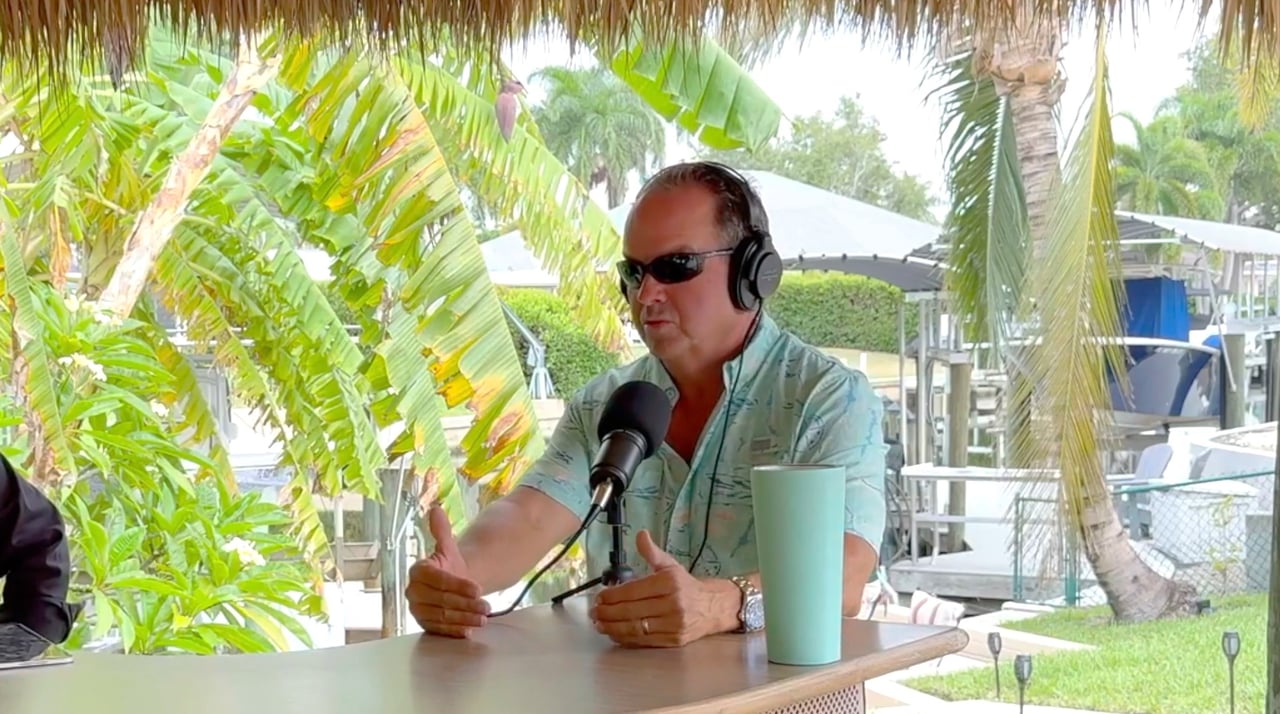
Florida Keys
Before I show a Florida waterfront home in the Keys, Cape Coral, or Fort Myers, I ask what boat you want. Draft, bridge height, and tide decide the neighborhood.
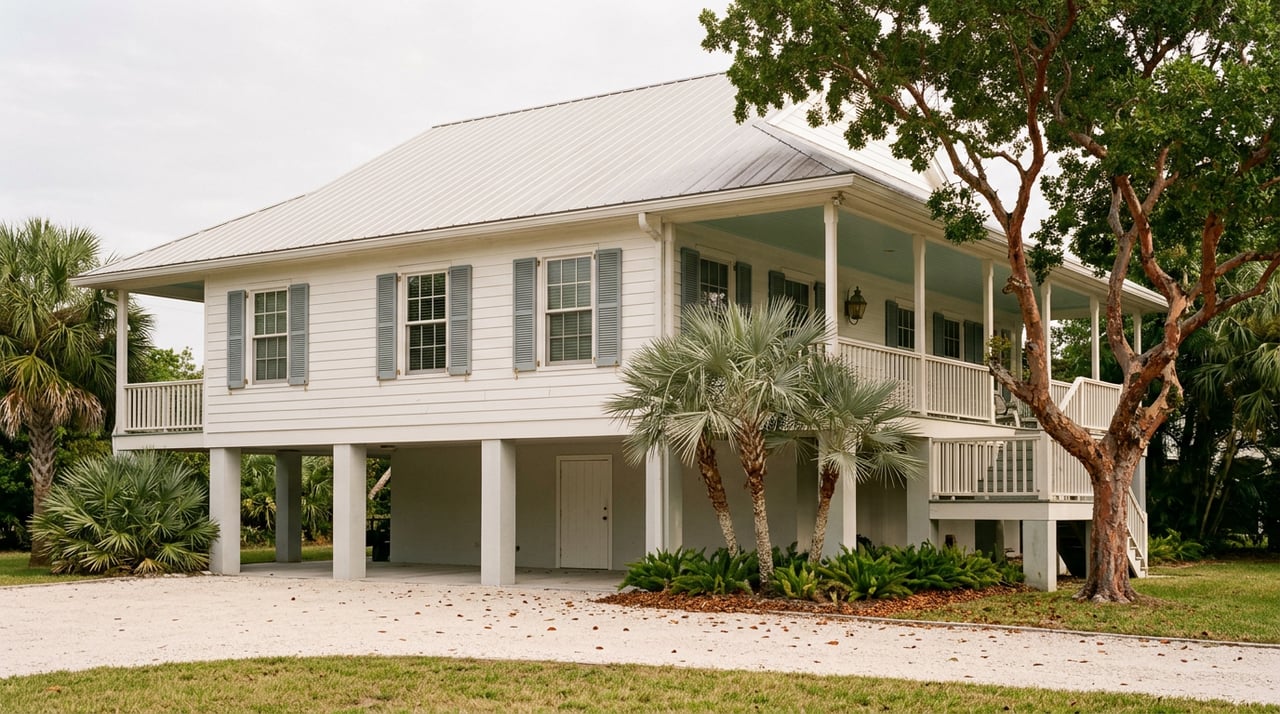
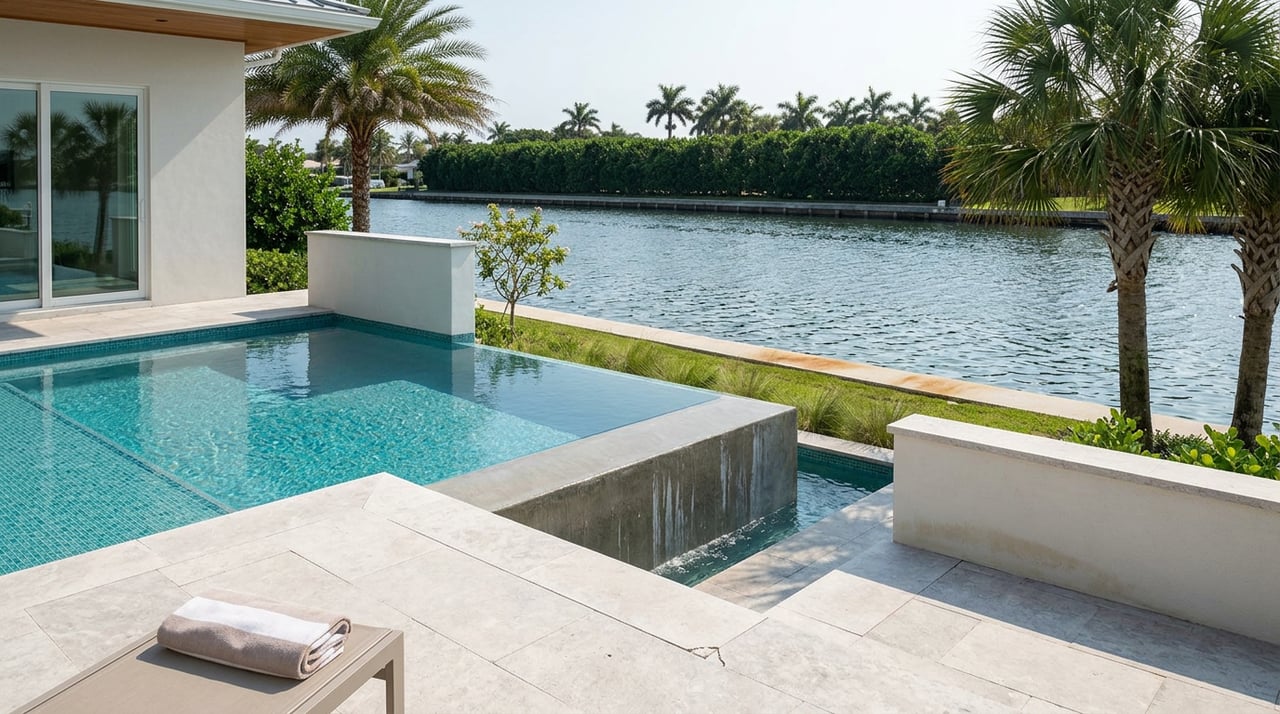
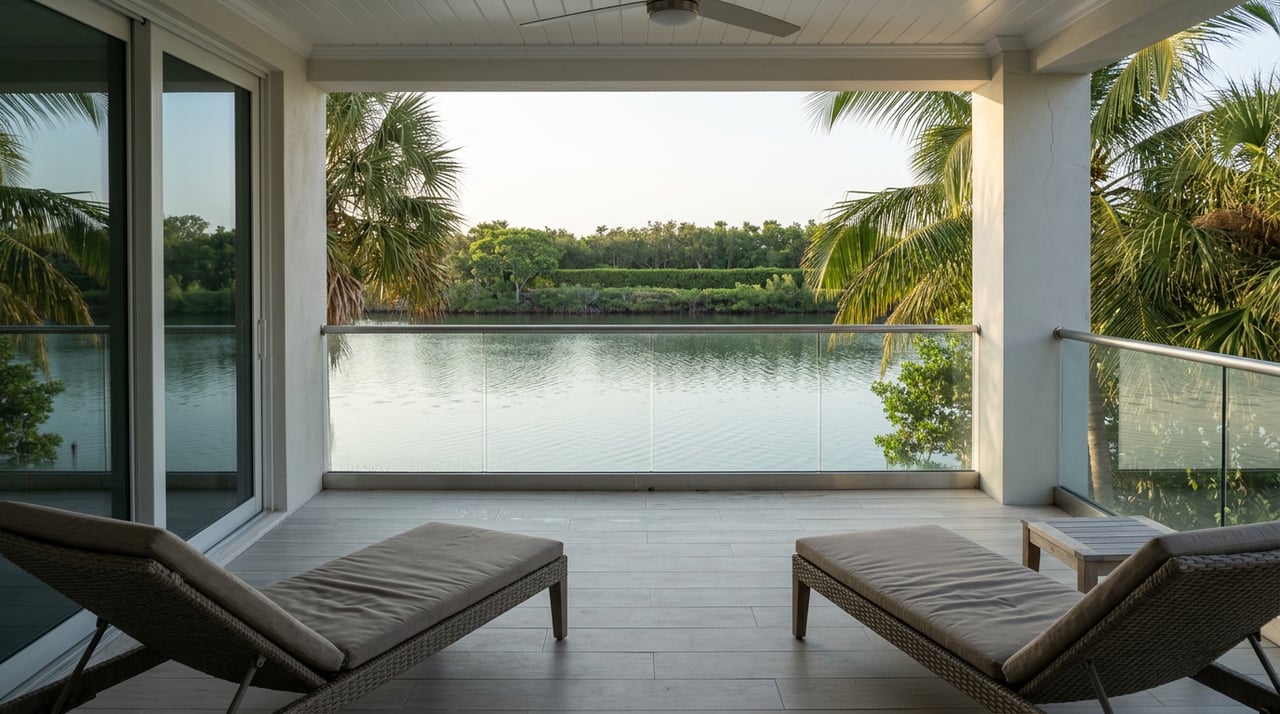
Decades of waterfront expertise, deep local roots, and a passion for the Florida lifestyle define every client experience. The Shane “Waterfront” Wilson combines extensive real estate knowledge with unmatched insight into the Florida Keys and Southwest Florida markets—helping buyers and sellers navigate every step with confidence and ease.
Get In Touch With Our Team
SHANE "WATERFRONT" WILSON
ADDRESS ISLAMORADA 85960 OVERSEAS HWY STE 4 ISLAMORADA, FL 33036 FORT MYERS 7270-4 COLLEGE PKWY FORT MYERS, FL 33907