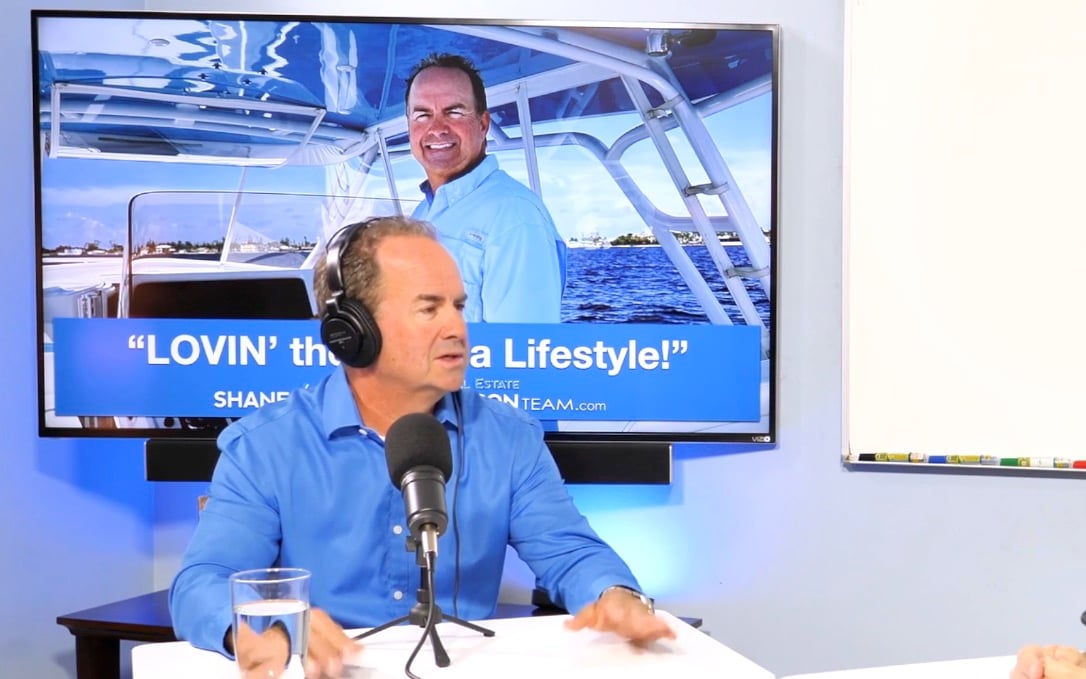
Southwest Florida & Florida Keys Waterfront Homes, Boating & Aviation Expert, Shane 'Waterfront' Wilson in 'Lovin' the Florida Lifestyle': Episode 001
Florida Keys Shane Wilson August 20, 2026
Florida Keys Shane Wilson August 20, 2026
Welcome to the debut episode of Loving the Florida Lifestyle with veteran Florida real estate broker Shane "Waterfront" Wilson. Grounded in Simon Sinek’s "Golden Circle" framework, Shane unpacks his personal Why, How, and What to reveal the ultimate blueprint for successfully buying or selling your Florida Waterfront Home, as well as, how to think about picking a suitable boat for Florida living!
Loving the Florida Lifestyle Podcast — Episode 1!
Featuring Shane “Waterfront” Wilson & Charly Caldwell II
[00:00] Charly: Welcome to the Loving the Florida Lifestyle podcast with Shane Waterfront Wilson. And I have to tell you, we’ve been working on some sort of plan to pull out the magic for well, I’ll say years, but definitely months. Yes, several months. So, before we even get started with our first episode, how you feeling? You doing all right?
[00:25] Shane: Feel great, man. Busy. Busy as can be. Kids are great. Wife’s great. Family’s great. Everything’s good.
[00:35] Charly: So good. The big thing that we’re going to go through today is a three-part podcast outline. We want to talk about your why, which we’ll get into some fun with your history and the way that you’ve been born and raised into this, so to speak. Then we’ll talk about how you uniquely do what you do. Then we’re going to talk about what you do.
[00:55] Shane: Mhm.
[01:00] Charly: And this outline follows Simon Sinek’s golden circles, one of the highest watched TED talks that talks through a specific way companies that are ultra successful like Tesla and Apple work from their Why out. And that means that they tell you what they believe as part of their message. They don’t just sell—like Apple for example, they don’t just sell computers, iPads, iPhones. They believe in the cross-section between creativity and humanity and they make tools to make that happen.
[01:30] Shane: Right.
[01:32] Charly: Mhm. Most of today’s work will be edited on Apple products. Part of today’s filming is an iPhone, which is cool. Leveraging all this stuff into it all. So, that’s a big part of the journey. And I just love—one of the things I’ve always loved and you and I have known each other 20 plus years now—is there’s a strong belief in taking great care of people and really helping people.
[01:55] Shane: 100%.
[01:58] Charly: The ambition of this particular podcast is helping people live the Florida dream, to really get into it and to look around corners they don’t know. You and I have talked historically about boaters coming down from the Midwest and not realizing there’s tide-based boating and wondering why when they park in front of Angler’s Key or similar docks, and they come back out and their boat is tilted. They’re like, “What just happened?”
[02:20] Shane: Yeah, I’ve seen it many times. Many times.
[02:24] Charly: You’re like, “Hey, listen. It’s this different style of boating. Sometimes salt water’s a little harsh on your motor. You want to make sure that you freshwater flush that thing.” So, there’s going to be a lot to unpack today. And I’m just so honored to be on the journey with you. Looking so forward to hearing some of these stories. We touched on these in our history, but to have them captured, that’s where the legacy is left. And a big part of this is, in my mind, wisdom knowledge exchange, but also leaving a legacy.
[02:50] Shane: Mhm.
[02:52] Charly: So your grandkids, your great-grandkids will be like, “That’s what it’s all about. That’s where we come from.” That kind of thing. And that’s the beauty in today’s tech, of course, is everything we record has a legacy effect to it. Any thoughts, questions, insights with what I’ve shared so far?
[03:10] Shane: I think it’s great. I think you’re right on. And like I said, you live it, you breathe it, you sleep it. I mean, this is what I do. Real estate, boating, family incorporated into the business. And I make money doing what I love. And I think my grandpa told me years ago, he goes, “If you do what you love, you’ll never work a day in your life.” I said, “Grandpa, what do you mean?” He goes, “Just find something you love, a passion.” I got it and it’s working. It’s worked for 33 years.
[03:45] Charly: Oh, that’s amazing.
[03:47] Shane: I know I’m old. Well, not that. Yeah. Yeah.
[03:52] Charly: But what is amazing is the wisdom exchanged from grandpa to you.
[03:56] Shane: Yeah. That’s the part that with kids and parents and grandparents behind digital devices today when you’re sitting in a living room in the 2020s versus in the 1980s or 90s, you’re looking at a device instead of exchanging wisdom with grandparents. If you’re blessed to have grandparents that want to exchange wisdom with you, that’s just a huge part of what I—I was so honored with, similar to you.
[04:20] Charly: Mhm. My grandparents were my biggest mentors and they lived into care and compassion. The reason that I do what I do—as we step into this part of our dialogue—is because I feel like I am doing them a disservice not living into the legacy that they instilled in us. Me, my sister, my cousins, these kind of things. Every day they’re in my mind. Grandma died in 2002, grandpa in 2009. But their spirit lives within me because they lived care, compassion, got out and did stuff to help the world every day. Grandma would always say, “We love every living thing.”
[04:55] Shane: Mhm.
[04:57] Charly: And I was like, “Oh, okay.” Well, she wouldn’t only say that. She was that.
[05:01] Shane: She was that.
[05:03] Charly: So that was an imprint on us. So, as we set the stage here, what gives you the drive to wake up every day and live the Florida dream, but also help others live the Florida dream? What’s the driving force in your being?
[05:15] Shane: I love what I do. I’ve been in Florida my whole life, on the water my whole life. I mean, I love that. I love real estate. My grandma and grandpa were realtor developers. My grandma was an interior designer. My dad’s a contractor in the Florida Keys. My mom was a realtor. My uncle was a realtor. It’s kind of inbred. So at night when I was young, they’d talk about real estate transactions and building houses and I’d just sit there and listen, not really taking it in as far as what they’re doing to make a living to provide.
But as I grew up, I thought, hm, that’s interesting. I remember grandpa told me that. I remember grandma told me that. My mom and uncle talked about that. My dad talked about that. And then you kind of play it back in your head. You’re like, that’s what they meant. So not only do I love real estate, I love helping people. One of my nicknames is “The Overhelper.” And you say, “What is that?” Everybody that knows me says, “Shane, you’re the overhelper. You’re always helping the older people, young people, the kids. You’re always doing something to help somebody.”
So, if I can help somebody buy a waterfront home or buy real estate, whether it’s an investment, personal home, second home, and I get to take them out in the boat, show them the waterfront lifestyle… I’m like, “We’re going fishing today?” They’re like, “Yeah, we’re going fishing.” We’re going to catch fish. Then what? Well, we’re going to catch the fish. I’ll clean it. We’ll take it to a restaurant and they’ll cook it for us. “What? No.” “Yeah, we can do that.” Or we’re going lobstering. All right. So, what do you do when you catch lobster? Well, we go down and catch lobster. We clean them. We cook them. We eat them. We’re going to do that. So, it’s the whole thing—the thing that I love, which is the waterfront lifestyle. It just blends into my business. Shane Waterfront Wilson.
[06:55] Charly: Yeah. I can’t even imagine, based on what we’ve shared so far, the imprint that your entire family had on you, that this was just a way of life.
[07:05] Shane: I don’t know any different.
[07:07] Charly: So, the interest part is the what, as we think about the what being the real estate sale and buy. But the how is doing it with love, care, and compassion, because I can only imagine that your family had that capacity and that would be just empowering to them.
[07:22] Shane: 100%.
[07:24] Charly: And then the why is because we love to help. We just love to help people. And so you had, like I had my grandparents, it sounds like you had an army literally of people who were just imprinting that on you and taking care of it.
[07:40] Shane: Yeah.
[07:42] Charly: What’s one of your fondest memories of one of your relatives doing something magical maybe with a client or with a project? Does anything come to mind as you think about that?
[07:50] Shane: There was so much. Grandpa Murray was amazing. He was a giver. I mean, he cared about everybody, and even when things were tough and in tough markets, he was always helping people, always giving. And I saw that, I learned that, and grandma did too, and my dad and my uncle, my mom. There’s so many times that I’d listen to them. Well, there’s a lot of great stories, actually.
I know when times were really, really bad—this is in the Keys, Key Largo, back in the ’70s—there was a guy, I don’t remember his name, I was just a small kid. And he had something wrong with his ears, like he had a hearing issue or something. And at the time, real estate was tough, new development was tough. And nobody really had any money back then, but my grandpa spent a bunch of money to get this guy hearing aids. I know it sounds crazy. This is—I don’t know why it sticks out in my mind, but he paid for this guy to have hearing aids put in, and he could hear for the first time, and this is, you know, probably late ’70s, early ’80s. That kind of sticks out. I remember all the help my grandpa Murray gave to other people to help them prosper.
He grandpa helped a guy named Mike—I won’t say his last name—become a developer up north, and all the knowledge my grandpa had from developing over the years, he gave that information to Mike and he became super successful, like a multi-gazillionaire. These are stories. My dad, you know, my grandpa bet my dad, “You can’t get your contractor’s license.” This is in the Keys. Dad goes, “Yeah, I’ll get it and I will.” He got his contractor’s license. They built homes from Ocean Reef down to Marathon for years and years and years. They were partners, my grandpa, my dad. My mom was a realtor, grandma was a realtor, grandpa was a realtor. So, it’s kind of in our blood. But these are stories that I remember.
And then I remember when my family’s friends would come down to the Keys, they’d say, “You know, Shane, we want snapper tonight, or grouper, or stone crab, or lobster. Go out and catch it. We’ll give you 20 bucks.” I’m like, “20 bucks? Golly!” Three dollars in my gas tank, and I can buy some Reese’s, some Coca-Cola. Oh, that’ll be awesome! So, me and my buddy TJ, or the Johnson boys, or Derek, or whoever it may be, we’d go out, we’d get lobster, we’d get stone crab, we’d get grouper, whatever they wanted. Bring it home. We get $20. Like, this was a big deal. Then we had money to put gas in the boat. Back then it was 77 cents a gallon, I think. And that was a big deal. Got our Reese’s Peanut Butter Cups.
But then we turned it into a business. So, all of my friends would come with me, and I had a Boston Whaler, and we’d take orders from all of our parents’ friends. “What do you want this weekend? What kind of food do you want? You want lobster? You want stone crab? You want fish?” And back then it was plentiful. It was easy. What else did we do? Just a different lifestyle. But seeing where I was raised in the Florida Keys, it took a village to raise the kids. So if you did something not good, it got home to dad somehow. I don’t know how. He’s like, “Shane, where were you in the boat today?” “Well, uh, I was out on the oceanside in the Gulf Stream.” “No, Shane. So-and-so saw you in the Gulf Stream in your 17-foot Mako. What did I tell you about that? What if your engine breaks? You’ll float away and they’ll never find you.” It took a village to raise all of us. And most of my friends from the Keys have the same drive that’s been instilled in them from the village raising us in the Keys. Very small community.
[11:35] Charly: Yeah. And moving to Fort Myers 33 years ago, it’s the same thing. It’s a small big community. Now, we’ve grown a bunch now, but 96% of our business is referral. They know who Shane is. They know my wife. They know my kids. It’s a big, huge family. It’s a little town in a big town, if you will. The biggest thing that I want to pull out of this is, well, there’s two parts. One is it’s amazing to me. They’re like, “Go out and get dinner, literally,” and you guys get in the boat and you look at it as a mission and do it, and then down the road it sounds like you build a business around it.
[12:10] Shane: We did.
[12:12] Charly: And I remember in the, well, let’s say the late ’70s for me, $20 was like today getting handed $1,000.
[12:20] Shane: Yeah.
[12:22] Charly: And you’re like, “I’m rich! What just happened? I could get my soda, I could get my candy, I can fill up my car or boat.”
[12:30] Shane: Yeah. I filled up the boat back then. Yeah. Yeah.
[12:35] Charly: the other part is this, and I want to make sure we don’t overlook this—this act of referrals. Whenever I’ve created a business, and I’ve created seven of them since 1985—I had my woodcraft business…
[12:50] Shane: Right.
[12:52] Charly: It was—every one of the businesses grew organically through referrals because of a couple of principles I teach, which is that we have such great relationships plus great deliverables. So, in the context of real estate, it’s like you’re going to take care of things. You’re going to dot the i’s, cross the t’s, help people look around corners they don’t see. We’re going to get you off the dock on the back of your house, in our boat, just so you can experience what that actually feels like. For a lot of people that move from the Midwest down—me included, back in 2000—it was like, “What does it actually feel like to go out, step on your boat, and then just go out to Cabbage Key or these islands and have lunch?” It was like the dream to me, and then when I did it, it was like, “That was insanely awesome. We went to this remote island and had lunch.”
So, the part that I really love is that you go to great depths to assure people feel the life before they might commit to the life. And if they are boaters or fishers—you know, they have a drive to boat, a drive to fish, a drive to fly even down here—you’ve got their bases covered and you can help them because you have such a great knowledge of the Keys and Southwest Florida. You can say, “Here’s the kind of lifestyle you’ll feel in Town and River, for example, or in McGregor Isles, or here’s the kind of lifestyle you’ll feel down in the Keys.” And there are specific different keys and specific different lifestyle feelings. You’ve got this huge depth of knowledge plus an amazing personality. I’ll celebrate you, man. So good, because you just wear it on your shoulder—the passion, the love, the care, taking care of people and doing whatever it takes. Something that you and I have talked a lot about and you and I have lived is like: whatever it takes, we’re on it.
[14:40] Shane: 100%.
[14:42] Charly: And that’s a big part of it. So, outside of what you’ve shared so far, are there any specific memories with your parents, your grandparents around this idea of: that’s how you actually refer people, that’s how you actually run a business? Is there any more to unpack from those memories of how to run an actual business from your parents or grandparents?
[15:00] Shane: Yeah. Grandpa always said, “Take care of people better than you want to be taken care of yourself.” And I know it’s so cliché. Everybody always says it. But it’s true. And it’s interesting—and you remember this—you did my website over 25 years ago. You’re like, “Shane, you need to do this, this, and this. We’ll get you out there.” I have some of my bestest friends today from that website that were looking for property in Southwest Florida, and they wanted to do the boating thing. And back then we did the boating guide. I know you remember it like yesterday. So do I. Talking about going to Cabbage Key or Picnic Island or fishing offshore or Cayo Costa or wherever, somewhere in the boat, some adventure. And we used to post that every week.
And, uh, one of my best friends today is Craig. I won’t say his last name because, yeah, don’t want him to get bombarded, but he contacted me. He’s from Chicago. He goes, “Shane,” he goes, “you’re this waterfront dude.” I go, “Yeah.” And at first I thought it was a buddy pranking me, like, who is this guy? He goes, “Look, man. You’re living my lifestyle.” I go, “What do you mean?” I go, “But you’re in Chicago.” He goes, “I want to live your lifestyle. I’ve dreamt about being in Florida, buying a home on the water, being in the boat, taking my wife and children out in the boat, doing the things you do.” He goes, “I watch your website.” Wasn’t called a podcast then; it was a boating guide. “Every week when I’m in Chicago, when we’ve got 10 inches of snow, I’m thinking about being down there. I’m envisioning. I’m dreaming about this.” I’m like, “Wow. That’s like, wow.”
Fast forward, sold him a condo, sold him a lot, helped them build a house, sold that house, sold him another lot, he built another house, sold him another property. But during that time—we just sat down for lunch the other day—I think he referred 16 people to me over all these years. We met 16 years ago.
[17:05] Charly: Wow.
[17:07] Shane: That’s a big deal. Now, when Craig has family and friends that come down and they’re looking to buy or want to go boating, they’ll call, “Hey, Shane, you know, these people want to look at some houses.” I’ll go show them property. They’re good friends of his; therefore, they’re friends of mine. He takes them out in the boat. He takes them to the places I took them 16 years ago, 15 years ago to the beach. I taught him how to back up to the beach, put the stern anchor out, unload all your stuff on the beach, and have a barbecue, a cookout. Taught him how to run his boat, dock his boat.
Oh, that’s another thing I do. When people come here, they don’t know what kind of boat to get. “Shane, what should I get?” “What’s your application?” “Well, I have five kids.” At the time, he had four. I go, “You need a bigger boat. Flats boat’s not going to work.” So, helped him buy his first boat, sold that. Helped him buy a second boat, he sold that. Now he’s got his third boat, which he loves. Then he wanted to repower the boat. And I said, “Well, what do you want? What’s your application?” “I want to go fast.” I go, “Hm.” So, I called my friend offshore over here and I said, “Hey, I got a good friend of mine. He wants to change out his motor for bigger motors. He wants to go fast.” He did it.
So, that’s one example, you know. And I’ve got another great friend, kind of like my adopted dad, Frank. This is 14 years ago. He called and he goes, “Hey,” and this is Frank—I’m not going to say his last name—he goes, “I want to come to Florida. We’ve been watching you online, your waterfront lifestyle. I’m from New Mexico. We want to do what you’re doing. We want to go fishing, we want to go lobstering, we want to, you know, go to places by boat.” I said, “Uh, okay.” I thought it was a prank again. And he called the next day, “Shane, you didn’t send me my properties.” I’m like, “This guy’s for real! Holy cow.” So, I called him back. Long story short, he’s become one of my closest mentors. Kind of like a dad to me. He’s just a great guy. His wife, Dotty, is just amazing, his kids are amazing, and we have this relationship. So, whenever they come down, we go on the boat. We’ve been everywhere together: Tortugas, Key West, the Keys. He also helped introduce me to flying. He’s been flying for 60 years. So, it’s just—that website you built for me 25-something years ago, I have all these amazing relationships and the majority of our clients become our friends. It’s just the relationship. They become family. And when they become family, their family becomes our family, if that makes any sense.
[19:40] Charly: Oh, yeah.
[19:42] Shane: But it works. You know, I know some brokers like to do the numbers game. They’ll go out and call, you know, 100 people a week or a thousand people a month just trying to get that one lead. That’s not me, man. I want the relationship. I care. You can call me at 9:00 at night, you can call me at 6:00 in the morning. I don’t sleep much. I’m there for you. If you need something, I’ll send you to the right person or I’ll get you the information you want. So, it’s a caring-based business. We’re not in the real estate business; we’re in the people business. Take care of the people, the money follows. I see so many realtors get in the business where, “Oh, I want to make all this money.” Wrong mindset. You’re going to fail. And majority of them are out of the business in a year. They don’t care about the people; they see the dollars. You can’t do that in this business. Take care of the people, the money will follow. I hope that makes sense.
[20:30] Charly: Yeah. One big thing that I teach is: we are a customer relationship business that happens to do X. X could be real estate, it could be something else.
[20:40] Shane: Mhm.
[02:42] Charly: So, it’s the relational part first. And then when we unpack some of this—this is the amazing part—you’re living into gifts that you have that happen to be parallel to what works in business. And the other aspect—this idea of calling you at 6:00, calling you at 9:00—it’s guidance outside of real estate. It’s guidance on lifestyle. It was really progressive to build what was a blog 20 years ago, but to just demonstrate, “Here’s some things you can do with a couple of photos.” That’s the essence of what that was.
[21:10] Shane: That’s right.
[21:12] Charly: And people were like, “I want that. That guy’s cool,” because you had in those posts personality, plus the adventure, plus this love of life and love of nature. So, let’s go back just a little bit. Where do you think that was born from? Your love of life and your love of nature. Was that in the family ethos, the family fabric, or is it just part of who you are, or where does that emanate from in your world?
[21:35] Shane: I think it’s just innate. It’s inside of me. I mean, it’s my family too, but I think it’s just inside. You know, being raised as a kid, I remember loving animals and catching little lizards and being careful not to break their tail off. It’s just innate. I don’t know what it is. Like I said, everybody says, “Shane, you’re the overhelper.” Anybody that knows me calls me the overhelper because I just like helping people. It makes me feel good. When I see somebody else happy and smiling, I’m happy and smiling inside. If they’re upset, something’s bothering them, I’ve got to come up with a solution. You know, I know a lot of people want to fix things. I’m the “overfixer,” man. I want to help anybody I can. So, it’s just—that with real estate, being genuine and honest, people can read it.
And then again, getting back to real estate, if somebody’s in real estate and they don’t care, a buyer and seller picks up on it. People can sense it if you really care or if you just want that check. And I think that differentiates myself. You know, some people say, “Well, how much money are you going to make this year?” I don’t know. “Well, don’t you go over your budget?” Well, yeah, kind of. I like to see what I spend and what I make, but I know if I take care of everybody that calls me, the money will be there. It just will. And I know some people say, “Oh, you’re crazy, Shane. You need to track this income, track those expenditures.” I’ve got it in my head. But if you just help people and be honest and genuine—and if that deal is not right for them, don’t do it.
If it’s the wrong time to put your home on the market, don’t do it. In 2005, when the market was crazy, I had a lot of people say, “Shane, should I buy?” And I’m like, “Look, guys, I’ve got a weird feeling here, man. Just… I’ve got a weird feeling.” And then remember, it peaked out in ’06, ’07, ’08, then kapush, kapow. And then people said, “Well, Shane, I need to sell now.” I’m like, “Yeah, you’ve got foreclosures and short sales. If you can hang out, just have the staying power to wait.” I probably wouldn’t sell then because, remember, everything went to the bottom until about ’11 or ’12, and then it started to come back.
[23:55] Charly: Yep.
[23:57] Shane: Um, yeah, I’ll never forget that. But back to your question, I think it’s just something you have inside. Either you care about people or you don’t. In life, you have givers and takers. I’m definitely a giver. And then you have takers. All they want is take, take, take. They don’t care. They just… they don’t care. Yeah. I hope that makes sense.
[24:20] Charly: Yeah, it does. The biggest part too is this nature versus nurture.
[24:24] Shane: 100%.
[24:26] Charly: And so, it sounds like you were born with this, and then you were nurtured to amplify it—like it was part of you to be the explorer and nature guy and get out and do stuff even as a kid, and then your parents and grandparents nurtured it, amplified it, and rewarded you for it.
[24:40] Shane: 100%.
[02:42] Charly: And that’s a big piece of what you shared earlier, too. This is something I teach in my work, which is that we do need to know what our break-even is, we do need to have a dream income.
[24:50] Shane: Mhm.
[24:52] Charly: But then we can put that over here and live into the behaviors—and I like to think of it as living purposefully, helping others.
[25:00] Shane: Mhm.
[25:02] Charly: A big part of purpose for me is helping others improve the quality of their life. You’re very parallel with that. Live passionately while we do it. Live positively, bring the joy while we do it. And live productively, such that we’re not sitting back going, “The world’s going to manifest. It’s going to drop the stuff in my lap.” No, we’re actually doing things. You’re doing things to create it, putting it out to the universe.
[25:25] Shane: Yeah.
[25:27] Charly: Those first four P’s—Purpose, Passion, Positivity, Productivity—land on Profitability, presuming you have the right conversations towards the right, we’ll call it what, which is a real estate transaction or something like that. So, I love the fact that it is so parallel to that five P’s that I always talk through and teach, in that we’re just living our life, and we’re looking for—and we feel it, and we know when—the opportunity is there to get the conversation started. “Hey, you want to live the Florida lifestyle? Well, here’s how that can look. Do you want to go out and see it? You want to feel it? You want to be it? Let’s go do that. See if this is even a good fit for you. Maybe you have this dream and you get on the boat and you see it and you’re like: ‘I hate this.’ Okay, then you know you didn’t have to invest. But if you do like it, we’ll go buy a boat and we’ll go into different canals and look at potential homes for you.”
One of my favorite things I’ve done is at night when it’s dusk is to go down canals and just see what the lifestyle is like. These people are on their lanai. They’re out having a little fire. They’re doing this, they’re doing that. That looks like so much fun, and what a great view of, you know, sunset orientation, that kind of thing. So, that’s a big part of it. The big part that I love from what you shared is this idea that you really do sensorially create this vision for people. And when we speak of the senses—what it looks like, what it feels like, what it smells like, what it tastes like, what it sounds like…
[27:00] Shane: Mhm.
[27:02] Charly: And when you get into the sensory of it, that lands on the feelings and people are like, “I want to feel more of that.” And you’ve got the conduit and the history to do it. So, there’s one little thing that I want to pull out here. Knowing that your mom was in real estate, was there something she did that took you down the real estate path instead of the developer path? Were there any things that she instilled in you, or you’re like, “That’s what I want to do,” or did it just kind of land on you, or how did you transition into… you know, your dad was a contractor?
[27:35] Shane: My dad was a contractor, he’s a people person but not like me. My mom was a people person. Grandpa Murray was more of a developer builder, very straightforward. Grandma was more of a people person. I think I’m just built with this innate feeling towards people. I can read people. And it’s interesting because when my kids were little, you know, Wade and Sierra, they’re 28 and 27 now. Sierra will be 27, and Wade is 28. And I have three grandkids and one on the way. But getting back to my kids, I know it’s crazy.
[28:10] Charly: And by the way, just for everybody listening, you are one of the most inspirational dads and granddads. You and I have had this conversation many times over the years.
[28:20] Shane: Yeah. Yeah. It’s interesting, I think it’s innate in you for reading people. I can read people like a book. Within the first 30 seconds, I know exactly if it’s going to work, not going to work. And the kids were the same way. Like, Wade when he was little, he’d point somebody out, “Dad, see that guy?” I’m like, “Yeah.” He goes, “And he’d say something about…” I’m like, “Huh. Wade is four years old. How does he know that?” Same with Sierra. “Daddy, see that? See those people over there?” I’m like, “Yeah.” And she’ll say something, and I’ll look. I’m like, “How does my little 5-year-old know that?”
To this day, they still have that innate inner feeling. Sierra can read people like a book. My son Wade can read people like a book. Wade’s in the diesel industry. He owns his own business. He’s super successful because he has the ability to fix anything—innate ability to fix anything—but also has the people skills. Sierra is a people person. She loves people, but she’s genuine. She owns her own hair salon.
[29:30] Charly: Oh, wow.
[29:32] Shane: Somebody comes in and says, “Hey, you know, I want to do this, this,” she goes, “Yeah, that may not look so good, but maybe try this.” And ultimately, they’re completely satisfied when they’re done. But getting back to your question, I just love people. In development, you’re dealing with a contractor, which is fine. You’re building stuff, which is fine—which I can do any of that stuff. I don’t have my license, but I’ve been around it my whole life. But in real estate, you deal with people’s emotions. You get to help people. You see the joy.
I put families in the boat with their kids. They’re like, “Mom, dad, we’re going out in the boat. What are we doing?” I said, “We’re going to go fishing today.” “Are we going to catch fish?” I said, “Yeah, I call it catching, not fishing.” Because when I go, I catch. I mean, the kids… we were out doing some footage yesterday. It’s really, really neat. And I had the videographer with me and I said, “You see that boat up there?” He goes, “Yeah.” I go, “They’re sighting for dolphin—not the fish dolphin, but the mammal.” I go, “You want to see something cool?” He goes, “Yeah.” I go, “I’m going to call them in. They’re going to jump in on the boat.” He goes, “How are you going to do that?” I go, “Just watch.”
So, I get up to it and of course, the big tour boats, they back up and you slow down. You kind of come up on a half a plane, meaning you’re not up on plane, half. It makes a big wake. Wouldn’t you know, we have five, six dolphin. And I’ll give you the footage—we can somehow incorporate it.
[31:05] Charly: Oh, we’ll put it right here.
[31:07] Shane: Jumping behind the boat. And then the captain on the tour boat sped it up. So, I’m doing maybe eight, nine knots, and he’s doing eight or nine knots. So, there are probably 30, 40 people on the boat videotaping, watching the show, and the captain is like, “Dude, yeah!” Like, “Yeah!” So, they’re digging it. We’re providing this joy, this experience that these tourists on this tour have never seen. And I can see their faces and little kids like, “Oh my god, oh my god!” And you can see them and they’re so excited. So, meanwhile, they’re taking videos and photos of the dolphin jumping. Meanwhile, I’m in the boat with my logo down the side: “Waterfront.” So, maybe like the ‘W’ back here over the Waterfront… maybe that one person says, “Yeah, we saw this big blue boat had a ‘W’ and the guy said he’s the waterfront dude. Maybe they want to come to Florida and experience what we did yesterday.” It was so cool. I’m going to get you the footage.
[32:05] Charly: Yeah, we’ll make sure we put it right in this beautiful…
[32:08] Shane: It was so cool. So, years ago, going back to my buddy Craig that I sold the property to. He said, “You know, Carolyn’s not 100% sold on buying in Florida. You’ve got to do something cool.” I go, “I love dolphins, man.” She loves dolphins. So, I know the spot where the dolphins always hang out because when I fish there, they’re always there. So, I pull up to the spot and I stop. I start banging the side of the boat. You know, sometimes they’ll come, sometimes they won’t. Wouldn’t you know, this dolphin comes right up to the boat, looks at us. “Carolyn, oh my god, it’s a dolphin!” I’m like, “Yeah.” I said, “You want to see it play behind the boat? Watch this.” She goes, “You’re not going to do that.” I go, “Watch this.” And we get the boat up half a plane—you know, you’re not fully planed off, making a big wake. He’s jumping. Carolyn was in awe. Carolyn looks at me… sorry, Craig looks at me, thumbs up behind Carolyn’s back, “Good job.” Buying!
So Carolyn was in awe. I mean, it was the coolest thing. She was so happy. And to this day, like I said, he’s referred all those people to me. I’ve helped him buy and sell several properties. We’re best of friends. We’ve been to the Bahamas in their boat, we’ve been to the Tortugas, we’ve been to Key West, everywhere by boat. And now he teaches his friends and his family how to fish, where to fish, what kind of bait to use, what kind of tackle to use. That’s knowledge shared with me from being a little boy growing up in the Keys, and I passed it on. It’s just cool to see him passing it on. So, I guess getting back to your question, I’m a people person. I can build anything, but it’s not fun. Selling real estate, helping people is fun. It’s a blast. It’s not always easy because sometimes it’s stressful with inspections or whatever may come up.
[33:55] Charly: It is.
[33:57] Shane: It is. And I think too, selling real estate so long, you get that sixth sense. It’s like an eighth sense. You know if something’s going to go wonky with the transaction before it goes wonky. You’re like, hm. So, my little Spidey senses start tingling. So, I’ll make the call to the lender or the appraiser or whatever it is and say, “Something’s off.” Inevitably, something will be off. We’ll fix it. And if it can’t be fixed, we contact the buyer and say, “Hey, look, you know, there’s a structural issue. What do you want to do? Do you want out?” “Well, I don’t know, we love the house.” I said, “Yeah, but do you want out? You have an option.” Not me being dishonest, saying “make the deal work” even though it’s not good for them and it’s going to harm them later. Oh, heck no. I would never in a million years. So, anyway, I just… I love what I do. It’s fun, man.
[34:50] Charly: I think there’s a really important distinction here that—well, the contracting business and people who don’t know the business—it is a lot less of that immediate gratification like you get on the real estate side, plus the fact that you’re just drawn to it. There’s one thing I want to unpack and uncover here. One of the things you’ve shared in our work is never making a bad deal, and you just demonstrated that. And that comes back to the belief, trait, quality, value of honesty. Where do you believe that came from, this drive to be honest, to be authentic, to be so transparent that it stands tall, strong, and forward for you? Is that something that came through the family, or how did that emanate?
[35:30] Shane: I think it’s innate. It’s in my DNA. I could never screw anybody. Can I say that?
[35:35] Charly: Yeah.
[35:37] Shane: Yeah. I could never hurt anybody intentionally. We all make mistakes, and when I do, I make them right. But between my family seeing honesty—my grandma, my grandpa, my mom, my dad, my uncle, all my family, they’re just so totally honest. They want the best for people. I want the best. Goes back to Shane being the “overhelper.” I just want to tell the truth and be honest with people. So, if the deal is not right, don’t do it.
You know, and a good thing you brought up a point. I just thought about this, too—when we’re looking at property, I’ll see things that most people won’t because coming from a contractor background—I’m not licensed, but I’ve been around it my whole life. I built homes with my grandma, my grandpa, my dad in the Keys. Construction is way different when they build in the Keys versus in Southwest Florida. It just is. We need to be up to basically Dade County hurricane code. When you’re in the Keys here, they’re not as stringent—they’re stringent, but not as much.
And I’ll see something maybe on the back corner of a house. I’ll see these wonky cracks that kind of go up the side of the house, and the cracks get bigger and bigger and bigger. Buyer never saw it. Listing agent never saw it. And I look, I’m like, hm, that could be a problem. So, I’ll point it out to the buyer to prevent any stress in the future. Once they do a home inspection, it’s going to be an issue. Or inside the house, I’ll see… I can’t think of anything offhand, but I’m looking for the things as a contractor would, as my dad, my grandfather would, that we can catch ahead of time. And if it looks like it’s going to be a major headache, I’ll say, “Guys, this isn’t the home.” “Why not? We love the view, look at the water.” I said, “Yeah, but we’ve got problems here. It’s…”
But I’m able to see that where maybe a lot of realtors, they don’t see it because they haven’t built homes from the ground up. I’ve built homes from dirt to concrete slab, to concrete block, to tie beam… I mean, from start to finish. I’ve remodeled a ton of homes. I’ve done a ton of flips. I know what to look for. Whereas maybe some realtors don’t know, and it’s not a bad thing, it’s just they don’t know. But if there’s an issue I see or I feel there is, I’m going to tell my buyer. Or if I go on a listing appointment, “Like, we’ve got a problem here. Let’s get it resolved and fixed before you put the home on the market because that’s going to affect your sale.” They may not want to hear it, but it’s the truth.
[38:25] Charly: Yep.
[38:27] Shane: Always tell the truth.
[38:30] Charly: The part that I love is the depth—the depth in the different topical areas of real estate that you have with that background. And then beyond that, the actual care. This is a true demonstration of purpose over profit. It’s like, yeah, this is a huge deal and I could make a ton of money on this property, but this isn’t the right property. And so, we’re going to the purpose side of it to make sure that we’re getting the right thing. One thing that you and I have talked about a little bit in our history, but has been a huge issue down here—and that maybe one of those things that you spot—is like black mold. Sometimes it’s not obvious, and it can happen fast just because of the way that, especially during summer, where the humidity and everything is. To have somebody who’s got that… there are so many people that I know who have mold toxicity, and it’s really affected, like they have long-term illness from it. And this piece of the puzzle is something you’re scouting for somebody just as part of your Spidey senses.
[39:35] Shane: That’s true. That’s true. Yeah.
[39:38] Charly: So, you seem to live life with this big, positive energy, and we’ve talked about where this inspiration comes from—nature versus nurture. Was there anything early on in life, anybody even who lived with that energy, and you’re like, “I want to be like that”? Grandpa, grandma, dad, mom, friends, or is it just you? Just who you’ve been?
[40:00] Shane: I think it’s just me. I’ve always been like that—high energy. I never ever have slept much. I get up in the morning, I’m ready to go full throttle, whether it’s 5:00 in the morning, 4:30, 6:00. Maybe I’m a freak, I don’t know, but I don’t require a lot of sleep. I have high energy. I get up full throttle. I know a lot of people get up and they’re like, “I kind of have a coffee and just kind of wake up.” My eyes open, my brain’s going.
I’ll tell you something interesting. Obviously, I have ADD, if anybody can tell out there. I’m trying hard to sit still. It’s really hard for me. I got kicked out of four preschools when I was little. Way hyper, always bad. And the schools wanted to put me on medication. My mom and grandparents—because my dad, well, that’s a whole other story, but anyway—they wanted to put me on medication. My family said, “Absolutely not.” So, now that I recognize I have ADD, school was challenging for me unless I find something I really love. But now I’m able to juggle a gazillion things. My wife always says, “Shane, how do you remember that? Shane, how do you do that?” And I’ll be like, “Hold on, we’re switching gears.” And I’ll point over here, “We need to take care of that, that, that.” And I’ll say, “Hold on, I need to call so-and-so.” She’s like, “What are you doing? Just stop!” I go, “I can’t. It doesn’t… it doesn’t stop.”
[41:35] Charly: That’s the way it works.
[41:37] Shane: That’s how it works. And the funny thing is, Wade, my son, struggled in school. Sierra was a straight-A student when she applies herself. Wade had the same issue, and they were going to hold him back. And I had a talk with Wade when he was in, let’s see, fourth grade. I said, “Wade, they’re going to hold you back.” “Daddy, what does that mean?” I go, “You’re not going to graduate with your friends and go to fifth grade. You’re going to stay in fourth. You’ve got to focus more.” And we had these two amazing mentors, Dale and Miss Christie—amazing people. They went to the school four and five days a week, would read with Wade, would practice with Wade, no fee. This is what they do—they just help. That was huge in Wade’s life.
And the teachers told me, “You know, Wade needs to be on medication.” I said, “There is no way in hell you are putting my kid on medication. Not going to happen.” And we didn’t. So, fast forward, he graduates, went to Caterpillar Diesel School. Wade is killing it now. But he’s ADD. He’s running his business, running this, doing this, doing this. I mean, it blows me away. And my daughter, too, she’s able to coordinate. I think it’s just that ADD in our genetics that allows us to be caring. Wade gets upset when things don’t go right. Sierra, if something doesn’t go right, she gets upset. When things don’t go right, I get upset. It’s just—I think it’s in our DNA. So, to answer your question, I think it’s just innate in us. There may be a previous life, I don’t know. I just know that you’ve got to help people, you’ve got to do the right thing.
And the great thing is, my wife Ann, who I’m married to now, is the same way. She’s built the same way. She could never do anybody wrong. She’s amazing.
[43:40] Charly: She’s awesome. You’re so blessed.
[43:42] Shane: I am blessed.
[43:44] Charly: I’m blessed, too. You’re blessed, too. 100%. We are blessed. So…
[43:48] Shane: I guess to answer your question, it just comes from inside—to please people, being a people pleaser. I want to help and always do the right thing, and be the overhelper. It just makes me feel good inside, I feel complete, if that makes any sense.
[44:10] Charly: Oh, yeah. Big thing is, the ADD, ADHD—that’s a superpower if it’s leveraged properly for entrepreneurs.
[44:20] Shane: I learned to leverage it.
[44:22] Charly: And you get masterful with it, and then stepping into that superpower and realizing: “This is how the information comes in, this is how it’s going to be spit out.” And if you have somebody supportive on your side…
[44:35] Shane: They’re like, “Okay, I’m capturing as it comes in. Let’s get it, let’s go, let’s make it happen.” You know, it’s funny—not to switch gears, but it’s funny—we opened the office in the Keys about 8 years ago, and I was making the drive. I’d get up at 4:00 in the morning, drive down, work all day, drive back to Fort Myers. So, that’s whatever, 4 hours, 8 hours on the road, 7 hours, whatever it is. After 6 months of that, I went home. I said, “Ann”—because Ann and I are really tight, my wife—I go, “Um, I’m going to get my pilot’s license.” She goes, “Okay.” Not like, “Oh my god, that’s the dumbest thing I’ve ever heard.” I’m like, “Wow, that was easy.”
So, 6 months through training, I said, “Ann, we’re buying an airplane.” She goes, “Okay.” Never any backlash. She believes in me 110%. So, bought an airplane. It’s an older airplane, totally safe though. You have to have, you know, annuals every year. Totally safe. And instead of driving 4 hours to the Keys now, I just fly there in 55 minutes.
[45:55] Charly: That’s amazing.
[45:57] Shane: And that’s buying the plane for application—like, getting to and from so I could help more people. I love flying. I didn’t even know it, I didn’t know it was a thing, I didn’t know I’d love flying. It’s a blast. I fly everywhere now. If I fly from Fort Myers to show property in Key West, I’m there in 60 minutes. If I drive from my island to Key West to show property, it’s 2 hours minimum because of traffic. If I’m in Marathon and I’ve got to go to Key West, I fly. It’s like 32 minutes, I’m there—if that, not even that, probably 28 minutes instead of driving. If I have to show property in Islamorada and I’m in Fort Myers, 55 minutes I’m in Tavernier. Show property, fly right back. It’s like hopping in a car.
A lot of people don’t get it. They’re like, “That’s like a big deal.” No, I get in the airplane, do a pre-flight, make sure I’ve got gas, check the weather, and I’m off. Yep, I turn around, fly right back. It’s easy. Now it’s a blast. We fly to the Bahamas, we fly to North Florida, North Carolina. We fly everywhere.
[47:05] Charly: Yeah. Huge timesaver.
[47:07] Shane: Yep.
[47:09] Charly: Huge. I love that for many reasons. One of the reasons—and this is something that’s just a natural emanation of you—is you posting videos of your flight. “This morning I was flying, here’s how it looks from the sky today. I was boating, here’s how it looks. We went scuba diving or snorkeling, here’s how it looks. I’m taking you with me.” So, there’s this aspect of purpose where you want to inspire and share with others what’s possible, to get out and not just see it on a video but to go and experience it in life.
[47:50] Shane: Mhm.
[47:52] Charly: And that’s a huge part of the drive—to really do the work, take the action, share the action. I always teach this thing called the “trifecta of happiness,” and it’s three parts: learn something new, create from what you’ve learned, and share it with others. Learn something new, create from what you’ve learned, share with others. And you learned flying, you’re creating stuff from it, and you’re sharing it with others. The first time that I saw some of your videos when you just got your license, you were doing solos…
[48:20] Charly: I’m like, “Oh.” Because I have this strong drive connection—my grandpa and I used to sit and have lunch together at the small airports around where I lived in Michigan, and we’d spot planes. “That’s a Cessna, and that’s a plane that my friend had.” And then we went to fly-ins, and I got my first ride—I won it in a raffle with a waffle breakfast.
[48:55] Shane: That’s awesome.
[48:57] Charly: And my grandpa’s like, “Son, you’re going up. Let’s go.” And it was a four-seater. We flew over our house at 3,000 feet, and I’m like, “Wow.” And the pilot did one of those moves where I was able to really look down.
[49:10] Shane: Yeah, a bank.
[49:12] Charly: That was awesome.
[49:14] Shane: That’s cool.
[49:16] Charly: Um, so there’s this big part of this drive to share, to inspire, to help others. And it comes back to those P’s we talked about—Purpose, Passion, Positivity, Productivity—and really aiming on the purpose and productivity part. We’re going to capture great footage. We’re going to take the time to throw it in the tools that we use, and we’re going to share it.
[49:35] Shane: Mhm.
[49:37] Charly: We’re going to let people experience this life. And it’s just this constant peace. I love that so much.
[49:43] Shane: That makes me happy. I like when other people call like, “Dude, that was so cool. You caught this fish, or speared that fish, or caught that lobster. We want to do it.” I’m like, “Well, then let’s go do it.” They’re like, “Really?” “Yeah, let’s go do it.” I mean, it’s… or I’ll take customers flying from here down to Islamorada to show property. They think it’s the coolest thing.
So, normally I’m on a mission. I’ll take off and I’ll be at 5,500 feet heading south just to get there. But when I have customers with me, I’ll fly at 1,000 feet along the coast. We’ll see sharks, manatees, dolphins, pods of bait, so much cool stuff. And going over like Cape Sable, Shark River, over the Florida Bay, coming into the Florida Keys at 1,000 feet… they’re like, “Wow.” It’s just cool to share it with them.
[50:35] Charly: That’s just cool. That’s the piece. And I just love it because we’ve spent a lot of time so far in our work today talking through the Why—the beliefs, the values that were innate nature…
[50:45] Shane: Mhm.
[50:47] Charly: And nurtured.
[50:49] Shane: Mhm.
[50:51] Charly: And really loving the Florida lifestyle, but I would even say, as the title of your podcast, loving the Florida lifestyle through and through. Loving it for me, loving it for my family, loving it for friends, and loving it for people who just have that ambition. “Let’s get down there. Let’s get it going and really rock it out.” Anything else you want to share about how you came to love the Florida lifestyle from the imprint of your grandparents, your dad, your mom? Anything else come to light there?
[51:15] Shane: Being raised on Key Biscayne till I was about 4 years old, we moved to Key Largo when I was four, four and a half, 5 years old. I got my first rowboat when I think I was seven. And my dad was like, “You know, you keep rowing that boat, build up your muscles…”
[51:30] Charly: “Yeah, we’ll buy you another boat with an outboard motor.” I know, right? Exactly. Outboard motor. You’re like, “Dad, what do I have to do?” He goes, “Get out there and row the boat.” You know, a rowboat had these little square glass bottoms, so as you’re rowing, you can see the bottom, see the fish swimming around. Oh, that’s so cool. Way cool.
[51:50] Shane: Every day after school, I’m driven, man—ADD driven. When I have a goal, it’s like nothing else matters. Every day after school, I’d row and I would row and I would row and I would row, every single day for months, probably 6 months. And, uh, one day I said, “Dad, I’m ready.” He goes, “Ready for what?” I go, “Ready for the boat with a motor.” He goes, “You can’t pull-start a six horsepower.” “Yes, I can.” “Son, I don’t think so.” Well, when you’re rowing and you’re pull-starting… so, he bought me a six horsepower Evinrude, a little white and yellow boat, and it had the old cable steering on it. And he put it in the water, and I remember him teaching me about choking the motor, pumping the bulb. Second pull, it cranked up. He looked at me, I looked at myself, I’m like, “Holy crap!” I did it! And from that point on, I had gas-powered boats, man.
And I had a boundary area to stay within—a certain boundary in Key Largo. We lived in Buttonwood Bay. I could go down… I forget, from that house to that house, and out to the Intercoastal Waterway. So, if I did break down, I’d be in that geographic area. And that boat took me to—because I took care of it, flushed the motor, kept it nice and clean—to a Boston Whaler, then the 17 Mako, and then a Reaction, and so on and so forth. A bunch of boats. But that is kind of what inspired the waterfront thing because once I had a motor, now I could go out fishing. I’m 9 years old on my little powerboat. Me and my buddies—I remember Scott and Ricky would go with me, my two brothers, Bill and David, would go with me (they live in Miami now)—all my buddies would go with me. And the parents are like, “Are you sure you should let those kids go out? They’re only like eight or nine.” “Yeah, yeah, they’re within their boundaries.” (Which I went outside of. Don’t tell dad!) But I wanted to catch fish. There were no fish there, man! We had to go a little further out to catch the lobster, catch the fish, catch the stone crab. I mean, we had the best life growing up. And when people say, “You were raised in the Keys,” I’m like…
[54:35] Shane: “Yeah, that was pretty cool. I didn’t know any different.” And it was a whole village raising the kids and everybody watched out for everybody. It was a great place to be raised.
[54:45] Charly: That is… there’s so much to unpack from what you just shared. This idea that there was—I’ll call it in today’s terms—a gamification for you to get to this level, to reach this goal to get the motor. “Six horsepower is all mine, baby!”
[55:00] Shane: All over it.
[55:02] Charly: The other part I want to unpack is this drive to make sure things are taken care of.
[55:10] Shane: Mhm.
[55:12] Charly: Grandpa—my mom’s dad, my biggest mentor in life, Grandpa Bob—he was like, “Char, before we go out on the boat today in the summers…” We’d go boating at Houghton Lake (this is in the middle part of the lower peninsula of Michigan). We’d go boating, get pizza, go out on the boat, take it out to a little island that we’d park at, or we’d go water skiing behind it. I had a 40 horsepower, I could get up behind that. “Before we go on the boat, we’re going to maintain it. I’m going to have you do a lot of the work.” You know, he didn’t actually say it that way, but I just knew I had to.
[55:35] Shane: Absolutely, 100%.
[55:37] Charly: And then in the winters, we had snowmobiles. So, we had two Ski-Doos. And he goes, “Car, we’re going to go out and snowmobile later, but before we do that, we’re going to hit our chores. Part of that is going to be to make sure these things are maintained. We’re going to check the tracks, check the brake cables, check everything else, make sure everything’s good, and then make sure they’re set to roll so we don’t run into any issues as we’re out there.” And that’s a part that a lot of people don’t realize. There are so many components to boating where things break down, things have to be maintained, and you’ve just got that knowledge. So, unpacking that for you, was that innate for you to just be like, “problem, fix,” or was it instilled in you from your dad, for example, to be like, “this is how you’ve got to maintain this”?
[56:15] Shane: Yeah.
[56:17] Charly: Where did that come from?
[56:19] Shane: That’s a great question. So, growing up, we didn’t have a lot of money. We just didn’t. In my opinion, I thought we had everything, but in retrospect, looking back, we didn’t have a lot of money. My mom worked full-time, my dad worked full-time. But he always taught me: take care of the boat, keep it… back then WD-40 was a big deal, now it’s Corrosion Block, but WD-40 the power head, flush the motor, keep the boat clean, take care of it. “Because if you don’t, we don’t have the money for another boat.” So, that was instilled.
And I think since that point, all my stuff is maintained to a tee—the boats, the airplane, the cars. I like everything clean, maintained. And it’s funny because when Wade was little, we’d go see Uncle TJ in the Keys, and he had a Lake & Bay boat. We’d go out in the boat all day, and Uncle TJ would pull the boat back next to the house, and he wouldn’t rinse the trailer, wouldn’t flush the motor—just park it. Wade goes, “Daddy, Uncle TJ’s not rinsing the boat.” I go, “Well, ask him why not.” I go, “You know, if it was me…” Wade goes, “I know, Dad. I know.” “Uncle TJ, you’re not rinsing your boat off and flushing?” He goes, “Wade, five-year plan.” Wade goes, “What’s the five-year plan?” “Every 5 years, I replace the boat, the motor, the trailer.” I’m like, “Wade, we don’t have that kind of money. We’re not doing the five-year plan.”
Fast forward, we had our boat. Anytime Wade would use our Lake & Bay, he’d take it up on the lift, he’d flush the motor, lube everything, oil everything. Our motor was 10 years old on our Lake & Bay—there was not one piece of rust on it. That’s unheard of, right? Our boat trailer was like 11 years old—not one piece of rust on it. That’s unheard of. But I instilled that in Wade, kind of like my dad instilled it in me. Now, Wade has two F-550 trucks, a Peterbilt, an F-250—he’s got all his equipment for his business. It’s maintained to a tee. He has them washed, waxed, and serviced on a regular basis. So, that was something passed down.
Then I take that into my real estate career. You don’t do anything half-butt. Do everything all the way. Either do it all the way or don’t do it. It’s really simple. And I think when you pick up clients in your car, the car is washed, waxed, clean. They get inside, it’s spotless clean. They think, if he takes care of his equipment this way, he’ll probably take care of our transaction the same way. He’ll take care of us. This guy cares. This realtor cares. I’ve been in some realtors’ cars—oh my god, it looks like they’re living in their car. I’m like, “Dude, you can’t take customers out in this, it’s stinky.” My cars smell good, my airplane smells good, my boat smells good. My boat is spotless. You open the hatches on my bilge, it is spotless. But I think that transfers back to taking care of people. They think: that dude is so anal about taking care of his stuff, I think he’ll take care of me and my family, he’ll help us make the right choices. It just goes hand-in-hand.
And it just made me think of something. Before Wade opened his company, we’d pull up to these hydraulic supply stores because he was working for another diesel company. He goes, “Dad, you see that truck?” I go, “Yeah, what’s wrong with it?” “It’s covered in hydraulic fluid and oil and fingerprints. It’s one of those big box trucks.” I go, “How can you pull up to a job site with your truck looking like that? Are they going to let you work on these multi-million dollar machines?” “No, Dad.” I go, “Remember what we just saw, Wade.” Now, when he pulls up—Wade works for a huge company, he works on these multi-million dollar big drag lines, these big machines that are like 10 times bigger than the service trucks—but when he pulls up, his truck is spotless clean, washed, waxed, tools are in their place. He takes care of the client. And when the company saw that, they’re like, hm, all these other subcontractors… I’m not saying anything bad about them, but their trucks look like crap. They’re covered in grease and hydraulic fluid and oil, and they’re beat up and dented. If Wade gets a dent in his truck, he’s mortified. If I get a dent in my truck, I’m mortified—it’s got to be fixed immediately. It’s just the way it is. And again, that translates to: if he takes good care of his stuff, he’ll take care of us. He’ll take care of our transaction. So, when anything comes up, he’ll make it right, just like I make my truck right, the airplane right, the boat right. It’s the same thing. So, I guess part of it my dad taught me.
[61:05] Shane: It just makes me feel good to have it right. I think it translates to anything you do in life. Does that make sense? Into your marriage—I want my marriage to be good, so I go the extra mile. And I’ve got a wonderful wife where she goes the extra mile. We’re both givers. And when you have both givers giving—if I have an off day, which is rare, she’s always there to give. If she has an off day, I’m always there to give.
[61:30] Charly: Yeah.
[61:32] Shane: And we just kind of feed off each other. Somebody’s having a bad day… I can’t tell you, being a real estate broker, you’re also a psychiatrist, a psychologist. We deal with so many divorces, I mean, so much stuff. You have to be there to listen to them and care and have compassion. It’s not just about the transaction. Take care of the person. And they’re going through the worst time of their life in a divorce. I’ve been there, done that. You’ve been there, done that. It’s just refreshing and relieving to them knowing: “Shane’s got my back. He’ll make sure everything is going to be okay.” And it will be okay. I don’t care if I have to stay up all night making sure it’s okay—it will be okay, and it always is. And then that’s why—switching gears and losing my ADD—we have 100% client satisfaction for the last, like, 15 or 18 years.
[62:25] Charly: Yeah.
[62:27] Shane: You do what you’re supposed to do. It’s not rocket science. Take care of the people. Take care of the people. And that’s how we get the repeat business and referral business because when somebody refers a friend, that’s one of the biggest decisions you make in your life. Buying real estate or selling real estate—that’s a big deal. That’s a big financial commitment. And in your life, whether you’re purchasing, selling, or selling to buy, they say, “Shane, what do you think?” It’s not about making the dollar. I’m like, “Hm, if you sell that, you have capital gains. We’ll buy that.”
[63:05] Charly: If it was me, I would do it.
[63:07] Shane: If it was me, I would do it. And there’s been a lot of times I would say, “I wouldn’t do that.” “Why not?” “Because of this, this, this.” “Yeah, but you’re going to make a commission.” “I don’t care. I wouldn’t do that. I’ve got to sleep at night.” It’s—really, to me, it’s cut and dry. It’s black and white. It’s easy. And I know a lot of people out there, whoever they are, maybe they see the dollar signs. I don’t care. I do care—don’t get me wrong, I care about dollar signs because I’ve got to pay bills—but not at the expense of hurting somebody or harming somebody or making the wrong choice.
After doing 33 years in real estate, I’m doing something right because I’ve helped thousands of people. I’ve made a ton of money. And with that money, I’m able to give back—like, to Alen Rod, the baseball team, I give back to the high school, I give back to things here, I give back to the fishing tournaments. If you’re making money, you’ve got to give back. It is huge to give back. You can’t keep everything—this is my opinion. Maybe other people think, “You’re out of your mind,” but you know what?
[64:15] Charly: It’s the universe, man. It’s karma. You have to give to get—and not even that you’re trying to get, you just give and everything falls into place.
[64:25] Shane: Yep.
[64:27] Charly: Don’t want to say I haven’t had hard times. You know, market tanked, we were tight. We were with each other, man. It was…
[64:35] Shane: We were holding each other up. Oh, it was horrible. Worst time in my life, and going through a divorce at that time. It was horrible. But you know what? That ADD laser focus… I just know there’s light there somewhere. I just don’t see it yet. But that didn’t matter. Taking care of my family, my clients, my friends—that was the most important thing. And here we are.
[65:05] Charly: There’s so much to unpack. I just shared one thing that I love, something we teach—I’m a high-performance coach. We teach in psychology mastery that everybody wants to be seen, heard, acknowledged, and loved. And it’s such a superpower today because of the digital divide where people are looking at phones instead of looking in somebody’s eyes.
[65:30] Shane: Yeah.
[65:32] Charly: Think of date night with somebody—somebody you love—and you’re like, staring at your phone instead of that person’s eyes and creating a spark or creating a moment. That’s one piece, and it feels like you nailed that. The other piece is this idea of really co-creating with people, and it requires a skill that I feel you’ve mastered called “active listening.” To really hear people for what they’re sharing—not to hear people to respond to them, but to really hear what’s coming in and work through that and make that happen. So, active listening, acknowledging people, being a psychologist, psychiatrist, all these kinds of things are a big part of it.
We’ve covered a lot of the how. What we’ve covered now—we talked earlier about the why, the values, why we are who we are, those kinds of things, and the how we do things. So, let’s talk now about the what. When we think about what you do specifically, one of the areas that you and I have talked through is this idea of serving people in Southwest Florida. So, maybe we can define that.
[66:55] Shane: Mhm.
[66:57] Charly: And then what we do—like, the true alignment of our skillset and services in Southwest Florida. The sort of sweet spot of what we really love to do in Southwest Florida, and then in the Keys as well. So, let’s start with Southwest Florida. We’re talking waterfront real estate. Do you want to just expand on what you do in Southwest Florida to help people make great decisions in that regard?
[67:20] Shane: 100%. You know, we’ll get a phone call, they’ll say, “Hey, we want to move to Southwest Florida. We want to experience that boating lifestyle that we see on all these videos you do. We want to do that, too.” I said, “Great, come on down.” They’ll come down. We have to figure out their price point, where they want to be. Do they want to be on the river, on the Gulf of Mexico? Do they want to be on a canal? Do they want to be further upriver? Do they want a better value, maybe in Cape Coral where you’d have to get in your boat and drive 50 minutes in a canal to get out? You know, the price point’s going to be different.
Let’s say we determine a price point. I say, “Okay, what kind of boating do you want to do?” “Well, I don’t like going offshore, I get seasick. I just want to stay, like, inland.” All right, well, a bay boat, maybe a flats boat. “Do you have kids?” “Yeah, I have two kids. I have a three-year-old and a 5-year-old.” You’ve got to have a bay boat—you know, like a Lake & Bay flats boat, the gunnels are only this tall, they’re going to fall overboard. With a bay boat, you can get to the beaches, you can get in Pine Island Sound, you can get upriver, downriver, go to the beach. You can run just off the beach maybe if you want to go fishing. Depends on their application.
Then I get some guys say, “No, man. I’m all in. I sold my company. I want to get one of those big go-fast boats with three or four motors.” Great. All right. You want a big Contender? You want a Cigarette? You want an Intrepid? You want an Invincible? What is your application? What do you want to do? “Well, I want to fly to Key West like you do, Shane.” I’m like, “All right, well, we need to get, you know, minimum 32-foot up to 42-foot. How much fuel do you want to hold? How far do you want to go?” “I don’t know.” I said, “Do you want to go to the Middle Grounds? Do you want to go to the Tortugas? Do you want to go to the Tortugas, hang out, fish there for 3 days, and then go to Key West and fuel up? These are things I need to know.” “Oh, well, it’d be nice to go out for a couple of days and have a generator and a cabin.” “Well, you need 500 gallons minimum to go to the Middle Grounds. You know, it’s 180 miles out. Then you’ve got to go south to the Tortugas, and then you anchor up there, you’re running your generator all night. So, these are things I need to know to help the people.”
Then I get a lot of people say, “Well, maybe I should get two boats.” And for years, people thought I was so stupid for having two boats. They are two separate applications. I have a 31 Contender, which I can run offshore, go to the Bahamas, run from here to the Keys, run from here to the Middle Grounds, Tortugas—I have plenty of fuel. Or my bay boat—I have a 24-foot bay boat. I can run skinny water. I have a second station, so if I’m fishing with customers, family, or friends, I’m up in my second station, and I’ll see a snook or a redfish and say, “Cast at 1:00.” They’re like, “I don’t see it.” I say, “Just cast over there.” “Oh my gosh, I got a fish on!” “Yeah, that’s why we’re casting over there. We’re catching. We’re not fishing, we’re catching.” So, it’s all about the application. So, once I find that out, I say, “Okay, so you want a big boat, a little boat?” Hm. There are some neighborhoods where the water is super shallow. You’ll never get that 31, that 35, that 42. Not going to happen. We need to maybe focus on McGregor Isles, Town and River, Palmetto Point—these are deeper water canals. You also want to focus on linear water frontage. If you want two boats, we’ve got to think about it: we need a minimum of 70 feet linear waterfront. “What do you mean?” I go, if you’ve got a 40-foot boat and you’ve got a 25-foot bay boat, you’ve got to make sure they’re going to fit nose-to-nose. Or if you’re on a canal cul-de-sac or on a basin, we can put them perpendicular, you know, nose-out or nose-in depending on the dock application and how they design it.
These are all things I think maybe a lot of realtors don’t understand. They don’t get it. And I’ve heard time and time again from people saying, “I looked at this house for $700,000 off McGregor, and the realtor said I can get my boat in there.” I said, “You can’t.” “Well, how do you know?” I said, “Because I’ve fished that for over 30 years. I know the water.” I’ve fished this whole area for actually over 34 or 35 years, so I know every square inch of the river.
[72:35] Charly: Yeah.
[72:37] Shane: Getting back to them buying a boat—so, let’s say we find a boat they like, you find a neighborhood they like, they want to get their big boat, get their little boat. Once we get the house sold to them, they love the house and start learning the lifestyle. I’ll take them out, show them different areas, and we’ll make “snail trails” on their chartplotter. That’s a little line so they can see.
[73:05] Charly: Oh, yeah. That’s so cool.
[73:07] Shane: So—and I made a mistake years ago with my buddy Craig, one of my best friends. I said, “Craig, we’re going to go between this channel here in Redfish Pass, but only go through here on high tide.” “Yeah, I got it, I got it.” I said, “We’re making snail trails. Remember: only high tide. Low tide, don’t go through here.” “Yeah.” He had a go-fast boat that I helped him get. I can’t wait for him to hear this—he’s going to laugh. Well, he can laugh now. Back then, he didn’t laugh! So, we ran through there, and I said, “Craig, remember: high tide only at this little channel at Redfish Pass.” “All right, got it.”
Well, he went out a month later, low tide, ran aground, bent both prop shafts and props. He calls me with some choice words, “Shane, you told me…” I said, “When did you go there?” “Yesterday.” I said, “What time?” “Like 4:30.” I said, “That was dead low! We had a negative tide that day, Craig. I told you don’t go.” “I’m not going to remember that!” So, I learned a valuable lesson: even when the high tide is high, I don’t take people through there. I will stay in the main channel with people. Now he knows the channel, now he knows the tides. He was a lake boater, not an ocean boater. You don’t have tides on a lake.
[74:30] Charly: Yes.
[74:32] Shane: So, getting back to that, it’s just a matter of knowing what their application is. Are they fishermen, or do they just want to cruise in their boat and go to dinner on Sanibel or Fort Myers Beach? Totally different application—you don’t want a fishing boat, maybe like a Boston Whaler, like a bowrider where you can sit up front and just enjoy. There are so many different applications. But until they tell me what their application is—“What do you want to do?” “We want to do what you do, Shane, but I don’t like touching fish, but I want to go out in the boat, go to the beach.” All right, great. Those boats I named will work fine, but I’d get, you know, a 28, maybe a 30-footer so you can go off the beach. You can still run back-bay, but maybe not run 180 miles out. I mean, you can if you watch the weather, but you’ve got to be boating for a long time to know the weather. Watch the weather—you don’t want to get stuck out there.
[75:25] Charly: No.
[75:27] Shane: So, I think that adds value, too, and knowing the water like I know the water. So, once you tell me your price point, immediately a picture forms in my mind. And a lot of times what happens is people say, “You know, our price point is this,” and I can’t get them what they want in South Fort Myers—it doesn’t exist, it’s too much money. However, we can go to Cape Coral. Cape Coral has a lot more homes, a lot more waterfront, and it’s more affordable. In Cape Coral, there are thousands of miles of canals there.
Okay, so that reminds me of another guy I sold a house to. He said, “Shane, all these homes you’re sending me, they have low front elevations. They’re not pretty like the big, pretty front elevations.” So, he sent me a bunch of listings, and I called him back. His name is Jim—dear friends of ours now, became friends after we met 15, 16 years ago. He goes, “Shane…” I go, “Jim, the houses you’re sending me, you’re going to have a long boat ride out. How many beers do you want to drink from the time you leave your house to get to the river?” He started dying laughing. He goes, “One, maybe two.” I go, “How fast do you drink beer?” He goes, “Not that fast.” I go, “Dude, by the time you put your boat in the water at the house, it’s going to take you 55 minutes to run your boat down a series of canals. You’re going to have three bridges to go under, which have a maximum height of 9 feet.” “Well, how do you know that?” I said, “Because I’ve boated all these canals. This is what I know, this is what I do. What kind of boat are you going to get?” “I don’t know.” I said, “Well, I need to know. Are you going to get a boat with a second station? You’ll never make it to the house because the bridge won’t allow it.
Number two, your wife is going to bellyache at you when she’s sunburned, wants to get home, and you’ve got to idle down a canal for 55 minutes in June, July, August. It’s going to be very bad for you. And then you’re going to make a call to me, and it’s going to be very bad for me! You may not get the fancy high ceilings, front elevation, beautiful, but you need to be on the east side of Del Prado.” He goes, “The things you’ve been sending me…” I go, “Yeah.” I go, “You want an expansive water view or not?” “Yeah.” I said, “Well, bump it up 75 grand. There’s no guarantee in life, but historically speaking, you buy this house now, let Michelle do her thing and make it beautiful”—which they did. They sold it like 4 or 5 years later, made like $250,000.
[78:30] Charly: Yeah, insane.
[78:32] Shane: Insane. And now they live in this beautiful house which is on the east side of Del Prado. So, he is literally 4 minutes out to the river. The house I sold him before was literally 2 minutes out to the river—he gets it now. So, when his friends come down, “Oh, we saw this cool house and the front elevation has high ceilings, it’s new.” Jim says, “How many beers do you want to drink before you get out to the river?” They go, “What do you mean?” He goes, “You don’t want to be there. Our realtor, Shane, who is our dear friend, says you don’t want to be there.”
[79:00] Charly: If you’re not a big boater, you’re an occasional boater once a month, it doesn’t matter.
[79:05] Shane: Yeah, doesn’t matter. But Jim and Michelle like to boat, I like to boat. So, that’s something else that maybe some realtors don’t know. I’ve boated this whole entire area, like I said, 33, 34 years. I knew it like the back of my hand in my sleep. I knew where the restaurants are, the fuel stations, the sandbars, the places to go, places not to go. So…
[79:30] Charly: And the depth of the boat times the tide. Yes, to help people who are newbies understand when you have a deeper draft boat. I had a three-foot draft on my Sea Ray 23-foot when I moved down, and I quickly had to get smart with tide-based boating because I was right on McGregor, right on the Caloosahatchee, just north of College Parkway.
[79:50] Shane: I remember that, yes, I remember.
[79:52] Charly: Yeah. And luckily, getting back to my dock, I had deeper water even at low tide. But right up half a mile, it was 2 feet, maybe a foot.
[80:00] Shane: Probably a foot at low tide, I know.
[80:02] Charly: And it was really critical. So, there are a couple of things to unpack with what you’ve shared. One is we just created—and we’ll do this as part of the post-production—a guide for what to think about regarding beers… total number of minutes to get to, we’ll say, the river through the canal system in Cape Coral. We’ve talked about this before in other ways, but this idea that some houses in the Cape are on a canal, but it’s not connected.
[80:35] Shane: Can’t get out to the river, man. Can’t get to the Gulf. You’re on fresh water.
[80:40] Charly: Yeah.
[80:42] Shane: They’re like, “Shane, but it’s so pretty.” I said, “Yeah, but you said you want a boat. You can’t get to the river.” “What does that mean?” “It means you can’t get your boat behind your house because you can’t get to it by water or by the river, and you sure as heck can’t get from your house out to the river.”
[80:55] Shane: It’s not connected.
[81:00] Charly: “Yeah. Oh, why not?”
[81:02] Shane: “I don’t know, I didn’t make the canals. It’s not.”
[81:05] Charly: “Yeah, that’s why it was such a good deal.”
[81:07] Shane: I said, “Yeah, because there’s no gulf access. Tack a 100 grand on, and then I’ll get you where you want to be.”
[81:12] Charly: Critical. It’s huge. Yep, huge.
[81:16] Shane: I can’t tell you how many times I’ve talked to people, “We found this house, and this house, and this house, and what do you think?” I go, “You’re going to be boaters, right?” “Yeah.” “You can’t get to the Gulf.” “What do you mean?” And I’ll zoom in or I’ll show them on the map. There’s the waterway, but it doesn’t connect to the outflows or inflows from the Gulf. There’s no access. So, that’s something else too, to help people. I mean, you have to know all this stuff when you’re selling waterfront property, in depth.
[81:50] Charly: Oh, and there’s another point you made that was so critical. I’m just so blessed that we were on the river so that we were able to just kind of idle in to our dock. But in the middle of summer, sitting there in the hot, humid 1:00 in the afternoon, you just want to be back, and you’re putting through the canals as opposed to just sliding into your dock, pressing a button, getting pulled out of the water, getting the stuff off the boat. You and I, freshwater flushing the engine, cleaning the chrome, washing it down, that kind of thing. Um, yeah, big part of the waterfront lifestyle is understanding that aspect of it. And then if you have the drive, the care, the compassion to take care of what you’ve got—that was instilled in me with my grandpa.
[82:35] Shane: That’s right.
[82:37] Charly: It was instilled in you, it’s instilled in your son and your family, this idea of: okay, well, what’s that actually look like on the daily, times the frequency of how much I want to go out? A lot of people move down, they’re out in their boat every day, and then after, you know, maybe a month, two months, or a season or whatever, friends are coming down, that kind of thing—they’re out there once a week, and then all of a sudden they’re on their boat once a month.
[83:05] Shane: Yeah.
[83:07] Charly: And, uh, I was always told to freshwater flush your engine, well, if you can every time, but if you can’t, at least run the boat once a week and freshwater flush it. And then these boats start to just deteriorate because, by classification in the boating world, saltwater—living on saltwater with your boat—is severe against all these different components. So, there is that requirement for that.
[83:35] Charly: And that’s something that you educate them on.
[83:38] Shane: 100%. Making sure they’re getting the right boat but also the right kind of maintenance plan. You know, what you do when you get out of it, who’s going to do this. And I like how my Uncle TJ’s was a “five-year plan.” I’m like, “TJ, don’t tell Wade that.” He’s like, “New motor every 5 years, new boat trailer.” I’m like, “No, we’re not teaching Wade that, no. Maybe you do that, but we’re not doing that.” So, it’s funny.
[84:15] Charly: So, let’s take a moment here as we think about the what we do and how we help people live their lifestyle through the lens of flying, because we’re blessed in Fort Myers to have Page Field, and it’s a great airport to get out quick and it’s relatively centrally located. Then we have, off to the side, Southwest Florida International. Um, so talk to me a little bit about the two airports that we have here in Fort Myers. If somebody’s thinking, yeah, I want to move to Florida, I definitely want to do boating, but I would love to fly because I have my pilot’s license and I want to move my plane down from Illinois or Michigan, what does that lifestyle look like? What’s the gist of that?
[84:55] Shane: It’s huge. It’s huge. So, I’ve got another good buddy, Todd—I won’t say his last name—very instrumental in helping me, not learning to fly, but he taught me a lot, and he’s been a pilot for almost 40 years, 37 years. He lives in Indiana. I sold him several properties here, but now he flies from Indiana down to Page. He’s got a hangar now reserved—he was on the waiting list for 6 years. I was on the waiting list for 6 years to get a hangar (that’s where you put your plane inside).
We have actually a lot of customers who fly themselves here, and they’ll fly to the Bahamas, they’ll fly to the Keys. It’s a big part of their life because they know the time savings it gives you. And once Todd gets here, he has a car at the airport, he’ll go to his house, he has his boat in the backyard. He’s living the waterfront lifestyle. He’s from Indiana, he’s used to the lakes. I’ve had to teach him, you know, “Okay, low tide, Todd. Don’t go here, don’t go here. Stay in the marked waterways in the channel.”
[86:05] Charly: Yeah.
[86:07] Shane: He gets it, you know, helping him to dock his boat. He called me one day—and Todd, I’m not saying anything bad, but this happens to everybody—he called, he goes, “Hey man, I bought a…” what was it, a Four Winns? Not a Four Winns, it was… I forget the name of the boat. Big, tall boat, big cabin, had twin engines. He was having a hard time getting it in the slip because the wind was blowing. So, I went over to the house, said, “Todd, get on the boat.” He’s trying to use the joystick.
For those of you people who have joysticks on your boats, please learn how to drive the boat in case the joystick goes out. It’s fine and dandy to run it forward and backward, side to side, but when you have a 25-knot wind, you can mash that joystick to the side—the boat does not have the power, it doesn’t. So anyway, long story short, showed Todd how to get it into the slip with a strong wind, you know, trajectory, turning forward, backwards. But it’s interesting to teach him that. Ever since that time, he never had an issue, I mean, never had an issue.
Getting back to the flying, he was very instrumental, too, teaching me. I thought it was a big deal before I started flying—like, oh my gosh, it’s an airplane, it’s all time-consuming and this and that. He goes, “No, man, it saves so much time.” Like I mentioned before, if I have an appointment, I will get in my plane here at Page Field. 55 minutes—if I have a tailwind, I made it in 42 minutes one time, which is insane. A tailwind is when the wind’s pushing you. And I’ll get there, show property all day, go visit my dad, see some friends, go have lunch, get in the plane, fly back. And if I have a headwind, it might take 1 hour and 5 minutes, or an hour, but I’m back in Fort Myers, going to my listing appointment at 5:00, or going to see my grandkids at 6:00, or whatever it may be. That is a huge timesaver.
Yeah, we’re able to list properties throughout the Keys. I can land in Tavernier and be in Key Largo. You know, if somebody calls now, I could be there within 2 hours—get to the plane, get down there. Typically, a homeowner wants 2 hours minimum anyway to clean up the house and get out. Or if I know I’m showing property in Key West, I go to Page Field, get my plane, it’s a straight shot almost due south to Key West. I’m there in an hour, maybe an hour and 5 minutes.
[89:05] Charly: Yeah, they have loaner cars there.
[89:07] Shane: Get in the car, go show property all day or half a day or whatever. And then from there, I’ll fly from Key West back to Tavernier, go to my house and work there or hang out for a day or two and see friends, clients, customers, or go fishing with customers. And then the next morning, get in my plane, fly back to Fort Myers. So, I’ve covered all this ground…
[89:30] Charly: Yeah.
[89:32] Shane: …in a fraction of the time. If you try to drive from here to Key West to show a listing down there, it’s 6 hours with no traffic. Maybe 7 hours with traffic.
[89:40] Charly: Yeah. If there’s an accident, because you’ve got to go all the way over to Miami and then down.
[89:47] Shane: You’ve got to go all the way over. Take US-41, which is a slow road, all the way down to Key West. I’m there in an hour. It’s a no-brainer. And many times we’ve been in Tavernier where the weather was questionable here. I don’t fly in bad or marginal weather. If it’s bad or marginal, I don’t fly—that’s how pilots die. And I would say probably 90% of the time that pilots die, they fly into bad weather. They have “get-there-itis”—“We need to get there.” You know, there’s an old saying my instructor taught me: “There are old pilots and bold pilots, but no old, bold pilots,” because they’re all dead. I know, it’s crazy.
[90:35] Charly: I love that.
[90:37] Shane: Yeah. There have been several times I cranked up the airplane. We’re in Tavernier, Ann and I are in the plane. I look at the weather on my scope, I’m like, “No, we’re not doing it.” Shut the plane off, put the plane back. We’ll drive back—it takes three and a half, 4 hours. The next day, if I don’t have appointments, I’ll drive back down, get my plane, and go back.
[91:05] Charly: Yeah, it’s not worth it. I mean, we were flying from here to—were we going to Marathon? Might have been going to Marathon, and I got just outside of the Everglades, and then I see this red blob started getting bigger and bigger and bigger within 20 minutes. And then it moved between me and where I was going. So, say Fort Myers is here, the Everglades are here, and I’m going to Marathon. And the red blob grew all within 20 minutes. I landed in Everglades City—X50 is the…
[91:35] Charly: I fly in Flight Simulator.
[91:37] Shane: Yes, you know X50! It’s 50 feet wide, 2,200 feet long. You’ve got water, water, water. And if you hit that, that’s the fuel—so, don’t hit the fuel! And, uh, I land, I look, and I go upstairs and talk to… I forget the guy’s name, super nice guy. I go, “Hey man, let me look at your chart real quick, the plotter.” I look at his, and I go, “I’m not doing it.” So, I said bye-bye, got back in the plane, flew back to Fort Myers, moved my appointment to the next day. Most pilots, though, say, “I’ve got to get there, I’ve got to meet these people.”
[92:05] Charly: Get-there-itis.
[92:07] Shane: You get “get-there-itis,” you’re dead. I mean, it happens all the time. I can tell you story after story after story.
[92:15] Charly: Yeah.
[92:17] Shane: So, I guess to answer your question, having the airports here is convenient for customers who maybe live up north. They can fly into RSW…
[92:30] Charly: Yeah.
[92:32] Shane: …in a heartbeat. It’s Class Charlie. And they either have a car there, or they’ll take an Uber, or if I’m near there or know they’re coming and I’m not busy, I’ll pick them up, bring them to the house where their car is.
[92:45] Charly: Yep.
[92:47] Shane: Todd, when he flies commercial, it’s 2 hours and 20 minutes from Indiana. So, yeah, it’s huge having the airport here. And even in Punta Gorda—a lot of people will fly to Punta Gorda because it’s inexpensive to land there through Allegiant. I think it is.
[93:05] Charly: Yeah, Allegiant. We fly Allegiant.
[93:07] Shane: Yeah, so having two airports right here—you’ve got Punta Gorda there…
[93:12] Charly: Yeah.
[93:14] Shane: …having Tavernier, which is a private airstrip (I know a lot of people on that airstrip), or Marathon, anybody can land there, or Key West.
[93:25] Charly: It’s just like driving a car, and people don’t understand it. “It’s easy, I’ve got to be somewhere, great, I’ll meet you there.” “All right, well, I’ll be there in 4 hours.” “All right, well, I’ll be there in 55 minutes, but I’ll meet you there.”
[93:35] Shane: Yeah. And I have people from Fort Lauderdale coming to the Keys to see property. They can leave before I do. I’ll hop in the plane an hour later, I’m there. I’m already at the property, and they’re stuck in traffic.
[93:45] Charly: Yeah.
[93:47] Shane: It’s just a game-changer. And I didn’t know it, and now I love flying. We flew to the Bahamas about a month ago to help my buddy open up his house. My buddy TJ went, met our buddy Steve.
[93:55] Charly: Yeah.
[93:57] Shane: We went lobstering, spear fishing, opened up the house, washed all the windows. I did a video on that, sent out the footage.
[94:05] Charly: I mean, I’ve seen them, but I don’t know about that one.
[94:07] Shane: It’s just insane. I mean, we were there—with a tailwind, I was there in an hour and 35 minutes at Norman’s Cay. It’s like 250, 260 miles, something like that. And then coming back, I flew to Key West, went through customs, flew to Tavernier, dropped TJ off, hopped back in the plane, flew back home. I was home. Within three and a half hours, I’m in the Bahamas, customs, Tavernier, back home.
[94:35] Charly: And the thing that we need, a couple of things we need people to be aware of who are pilots and want to fly in Southwest Florida or Florida in general, is that basically from the end of May, beginning of June through the first cold front in October, you’ve got to be really careful of what you’re describing—of these thunderheads building up within literally 10, 15, 20 minutes. They grow fast, they grow wide, they get together as a group and say, “Hey, you’re not going anywhere.”
[94:55] Shane: “You’re not going anywhere.” I’m glad you brought that up because a lot of people are not used to flying Florida weather. It’s a different animal. You get to the end of May, June, July, August, September—October not as much. I’ll take off out of Page, and I see a little red blob, and within 15 minutes that red blob is now 15 miles. Within another 10 minutes, it’s 20 miles. You’re not flying around it, you’re not flying above it. Those clouds could be 40,000 to 50,000 feet.
[95:25] Charly: Yep.
[95:27] Shane: And there’s turbulence in the cloud—Cumulonimbus clouds is what they’re called. A lot of people don’t understand it. There are updrafts and downdrafts. You fly in, it’ll rip your wings right off. And I have kind of a sad story: Uncle Phil and his good buddy, his wife, and their four dogs were flying and unfortunately got in bad weather, ripped the wings off, and they all died about 5 or 6 years ago. He had 3,500 hours. Uncle Phil was like the best pilot, I mean, I looked up to him. They thought they were on the outskirts of it, and somehow something bad happened…
[96:05] Charly: Yeah. So… well, even where it’s not necessarily cloudy, there’s winds pushing out and through. You’ll feel that in a downdraft from a thunderhead that’s, you know, 2 miles south of us…
[96:15] Shane: Far away.
[96:17] Charly: …and it’s pushing cool air. You’re looking, and there’s a big thunderhead over there. So, we just want to be careful if you’re looking to move to Florida. It’s like draft—the draft of your boat and tide-based boating. It’s very parallel in that you’ve got to be extremely careful about the weather side of it. I know a lot of pilots who come to Florida and they’re like, “I’m only flying in the morning from 6:00 to 10:00.”
[96:55] Shane: Yep.
[66:57] Charly: And beyond that, “I don’t know what’s going to happen, I’m not going to be chancing it or getting get-there-itis, that’s not part of my day.” So, we’ll get up, we’re going to get up at 6:00, we’re going to fly here, we’re going to fly there, we’re going to fly back, and do that.
Another aspect that I want to bring up is North Captiva has a small landing strip, so a lot of people skip around to these smaller landing strips. A friend of mine, Steve, took me out—we went to Venice, we landed there, had brunch, then we went up to the middle of the state. I can’t think of the city name… landed there, and then a really old-school mechanic… he turned his plane in to do the annual, and he took another plane. I think we took another plane or we checked on his plane as well. He has two planes. So, we flew out of Page Field, went to brunch, then flew up to the middle of the state, checked on his plane going through its annual, and then flew back. He just wanted to make sure everything was going. This guy was just, you know, 30 years… the kind of guy that was at one soulfully with the airplane, and he felt everything was all right, everything’s put back, got everything checked on the annuals and all that.
So, the part that I really want to make sure we talk through a little bit is the fact that you can skip around if you have a smaller plane and have that adventure, that you can get on the boat, but be careful of summer, and also recognize that you can pop off over here, land over there, pop off over here, pop over there. Any thoughts, insights?
[98:35] Shane: Funny you say about North Captiva—I was there yesterday doing some videos, and I’m with the videographer. I said, “You see that plane coming?” He goes, “Yep.” I go, “He’s going to do a flyover.” He goes, “What does that mean?” “He’s going to fly over. They just put this strip back together after the hurricane. It was all wonky and sand washed up, and you couldn’t land forever.” We went by and shot some video from the boat, and the strip is all redone now. There were sprinklers out there watering the grass, and this plane flew over. I said, “Watch, he’s going to make a right base.” He goes, “What do you mean?” I said, “Well, he’s going to turn right, go back down, and come back.” And sure enough, he turned around, and the airplane landed while we were there. And he got it on tape, which is so cool.
[99:40] Charly: That’s awesome.
[99:42] Shane: I mean, and the thing is, it’s a private airport.
[99:45] Charly: Perhaps we’ll take that video and put it right here.
[99:47] Shane: That would be very cool, that would be very cool. And if you own a house on the strip, I think you have landing rights or you can get permission. I have a friend in the Keys who lives in Tavernier…
[99:55] Charly: Okay.
[99:57] Shane: He flew up there. They rented a house, and he was able to land at that strip instead of driving the four and a half, 5 hours out to Captiva, then getting on the shuttle boat and getting to North Captiva. They rented the house. It’s just funny you bring that up—just yesterday I was there.
But yeah, having a smaller… I like high-wing planes. I can land in less than 1,000 feet, I can take off in 1,000 feet. Now, if I’m fully loaded—four people, full fuel, and it’s hot out—you’re going to need way more. You get altitude density. Basically, your plane thinks you’re at 5,000 feet, so it’s struggling to get off the ground. You’ve got to do your weight and balance, and there are so many factors that pilots know. You’ve got to be very careful.
They had on that exact strip years ago, they had a guy who flew from the mainland, had a bunch of tile in the back of his plane—you might remember this, 8 or 9 years ago. He came in to land on North Captiva, and when he was coming in for landing, the tile shifted. It threw his CG (center of gravity) off, his weight and balance off, and put the plane up like this. I don’t know if he hit and went into the water or hit the water, but it killed him. He died. But again, that’s not being smart. Your plane is not designed to haul heavy tile—it’s designed to haul people and maybe some stuff within your weight and balance.
[101:35] Charly: Yep.
[101:37] Shane: There are a lot of things that go into flying. It’s not just: get in the plane, start the motor, and go. You’ve got your pre-flight. There’s so much stuff you have to do because I’m ADD, man—I’ve got my checklist of my checklist of my checklist.
[101:50] Charly: Great businesses run on great systems, but systems are a necessity. Check, check, check, check on the pre-flight and getting everything set up, weight and balance, the whole shebang on that side. Just for a frame of reference, how long is North Captiva’s runway?
[102:05] Shane: I think it’s, uh, 2,000 feet.
[102:08] Charly: Okay.
[102:10] Shane: 2,100, which is plenty. Yeah. And of course, when you do your flyover, you’re looking at the windsock. Which way is the wind coming? Always landing into the wind—it gives you more lift. You don’t ever land with the wind because you have no lift. You don’t have that airflow going over the wing creating the airfoil lift. If you’re going with the wind, say it’s blowing 20 knots, you’re going with it and you’ve got to land at 65 knots, you’ve got a problem. That means you’re really doing 40, 45 knots, you’re going to lose lift and you’re going to crash.
[102:40] Charly: Yeah. Yep.
[102:42] Shane: Turn it around.
[102:44] Charly: You’ve got to make sure.
[102:46] Shane: Yeah. Or if you have a crosswind coming out of the north or south… like in Tavernier, we’ve got trees and houses on either side. It’s 2,200 feet. You’ve got water, water, houses, houses. And you get that crosswind. When I’m coming in for landing with 30-degree flaps, I’m at 65 knots. When you get below that tree line, you lose your lift. So, sometimes you’ve got to give it power, sometimes you’ve got to pull back. You’ve just got to feel the plane.
[103:05] Charly: Yeah.
[103:07] Shane: And my instructor—and this is kind of funny—my instructor, Ed Wilson, no relation, he was 84 years old when he taught me how to fly. And I came home… it’s insane, looking back, I’m like, “What were you doing, Shane?” But anyway, my perspective and my wife’s are two different things. So, I came back that day, my wife Ann goes, “Shane, how was your first day of flying?” I’m like, “Oh my god, it was awesome!” I said, “Ed’s been flying for 65 years.” She goes, “Good God, how old is he?” “He’s 85, 86.” She goes, “Shane, what if he strokes out?” I go… I didn’t look at it that way! My perception was: he hasn’t crashed in 65 years, he’s alive, he’s a great pilot. Not thinking he’s 85, 86 years old. The guy taught me how to live, how to fly the plane.
[103:55] Charly: Wow.
[103:57] Shane: When all else fails and everything’s haywire, he goes, “Shane, what do you do?” I go… I’m in the left seat, he’s in the right. I go, “I don’t know.” He goes, “Fly the plane, Shane. Fly the plane.”
[104:10] Charly: Yeah.
[104:12] Shane: So, that’s instilled in my head. And I’ll tell a real quick story that may help another pilot one day. You have VFR and IFR. VFR is visual, IFR is instrument. I’m not instrument-rated yet—which, this year, I’m going to get it done. We were flying to Tavernier, coming into the airstrip there. It’s challenging to land there—most pilots look at that and say, “There’s no way in hell… no, I’m not landing there.” They want to have three, four, five, six thousand feet of paved runway. This is grass, 2,000 feet. You mess up, you’ve got a problem—you’re in the water, or you’re in the mangroves.
And, uh, we’re halfway down to the Keys, and there were white clouds like stratosphere, not really cumulonimbus. It was just like clouds, but no tornadic activity inside of them. They weren’t dark, they were just white. You can fly through them. Ed goes, “Shane, fly down there, go in those clouds.” And I said, “Ed, we’re not supposed to do that.” “Go down in the clouds, Shane.” I’m like, “All right.” Well, he’s been flying 65 years, he’s alive, he’s 85, 86 years old—he knows what he’s doing. So, I’m at 5,500, I get down to like 3,500 feet. I’m in the clouds and I’m flying. I’m like, “Wow, this is really cool, you can’t see anything, it’s just white-out.” I’m flying along. Ed goes, “Shane, how are we doing?” I said, “Oh, I’m doing great.” He goes, “We’re going to be dead in 2 minutes.”
I go, “Dead?” He goes, “Look at your instruments.” And I had steam gauges back then, you know—not the glass cockpit I have now. Now I’ve got the ultimate. I was in a 20-degree bank going down at 500 feet a minute. In two more minutes, we would have crashed in the water. He goes, “What do you do?” Of course, I’m thinking…
[105:55] Charly: “All right, what do I do?”
[105:57] Shane: He goes, “Shane, level your wings. Don’t do JFK where you…”
[106:01] Charly: Yep.
[106:03] Shane: So, I leveled my wings. “Now what do you do?” I go, “Straight and level.” “Yes.” So, long story short, got the wings level. Looking at instruments—you never look outside, your body is going to lie to you every time. You have to look at your instruments.
[106:15] Charly: Yep. Wings straight and level.
[106:17] Shane: Yep.
[106:19] Charly: Get everything checked.
[106:21] Shane: Yeah. He goes, “How you doing now, Shane?” I said, “We’re doing good.” He goes, “Do not ever, for a millisecond, take your eyes off those instruments when you’re in IFR, when it’s clouds outside. For one second looking out, you throw yourself off. You think you’re flying straight and level, and you’re not.”
[106:35] Charly: Yeah.
[106:37] Shane: He goes, “All right, get us out of the cloud.” So, I got out of the cloud. Fast forward 3 or 4 years, we’re flying to the Bahamas over the state of Florida. PG—another good friend of ours from the Bahamas—and my wife are in the back. We’re flying at 4,500 feet. I see these clouds, I’m like, “Yeah, looks a little clear on the other side.” Long story short, got into the clouds, and I’m flying. I wouldn’t take my eyes off the instruments, but I can kind of see in my peripheral Ann is white-knuckled—she’s hanging on. My buddy PG doesn’t have a clue, he’s like, “This is cool.” I’m like, “No, this is not cool!”
[107:05] Charly: Yeah.
[107:07] Shane: And I’m flying along, flying along, and we’re in the white clouds for about 35 minutes. And for 35 minutes, did not take my eyes off. You can’t turn around in the clouds because you’ll get spatial disorientation—that’s a problem, you get into a spin. And for probably closer to 40 minutes, I was flying, never took my eyes off of it. We got to the coast right on the other side of Palm Beach, I’m out of their airspace… boom, opened up, beautiful blue sky.
The point of my story is: Ed Wilson in the back of my mind is saying, “Shane, fly the plane. Do not take your eyes off the instruments. You look straight ahead.” And back then, the autopilot was intermittent—I didn’t have enough money, it’s like 20 grand for an autopilot, I was saving for it. I didn’t have an autopilot. Typically, you have a blue button you push, it stabilizes the wings, straight and level flight, then you can re-evaluate.
[108:15] Charly: Yeah.
[108:17] Shane: The new plane has a full glass cockpit, touchscreen. I see ADSB-out, ADSB-in, I can see traffic, I can see everything…
[108:25] Charly: Yep.
[108:27] Shane: …everything’s new in the plane. So, totally safe. Retractable gear. If I lose my motor over the water, leave the gear up—we’ll skip on the water, we are going to live. The plane may be totaled, but we will live. But I tell that story, and maybe other pilots listening will think, yep, I should get my IFR. When you’re flying and you’re in the clouds—not purposely—do not look at your right-hand guy, do not look behind you. You will get thrown off. And if Ed hadn’t taken me into the clouds that time…
[109:05] Charly: Yep.
[109:07] Shane: …it probably wouldn’t have been that emotional connection.
[109:11] Charly: Yes.
[109:13] Shane: I heard Ed: “Shane, Ed… do not take your eyes off the instruments. Do not look out that screen, your windshield. Do not look behind you. You look straight ahead. Do not take your eyes off for one second.” I’ll never forget that. Once we got out, Ann goes, “Was that close?” I go, “No, it wasn’t close, Ed was with me.” And he has passed away since then, but it’s crazy how things happen.
[109:35] Charly: I want to celebrate great mentors who really look out for us. That’s what I hope and believe you are—really trying to look out, look around corners, plant life themes. Listening to “fly the plane, Shane”—that’s a life theme that can save not only your life, but you and I are on microphones right now putting this into the world, there’s a ripple effect, and that’s the essence of this. So, rest in peace, Ed.
[110:00] Shane: Big deal, man.
[110:02] Charly: And thank you for being such a great, inspirational source. And I’m certain he’s taught many people over his thousands of hours—amazing time on the planet.
[110:12] Shane: Yeah.
[110:14] Charly: So, the essence of it is this: if you’re thinking of flying in this part of Florida in the Keys, be very careful, especially from… looks kind of like the hurricane season map, June 1st through the end of November, I think, is when hurricane season is. You’ve got to be ultra-vigilant about watching these little white, puffy specks build out in literally no time and then being aware. It’s not just in the cloud, it’s around the cloud—most pilots would know that. And be careful about that if that’s part of your drive, desire, goal to live here in Southwest Florida. But there is so much to do and so many places to go: pop through the Bahamas, pop over to, you know, North Captiva, pop down to the Keys, do all this kind of stuff, get there in short order and not have to deal with just the Miami mess of traffic. Those kinds of things.
There’s one other area I want to talk through at the what level for us today, and that’s you sharing some of the hints and tips of Cape Coral and Fort Myers, south of Fort-ish, that kind of thing. So, when you think about… if somebody is thinking about buying a home in the Keys, what’s the lay of the land in the Keys? We could talk about it through the money lens—more money down here, or more money over here—or the lifestyle lens, the boating lens, what you want to do… what are some things people need to be aware of?
[111:35] Shane: I think buying in the Keys—excuse me—it’s a different animal. First, it’s price point. You know, maybe somebody doesn’t want to spend over a million bucks, maybe they want to stay in that $700,000 or $800,000 range. We can find them properties that have “boat parks,” meaning that the home is off the water. They can keep their boat on the trailer, they can get in their car, hook up the trailer, and drive the truck and trailer to the boat ramp in their neighborhood, which is only for that neighborhood. Take the chain off, open the gate, put it in, park your truck and trailer, go out for the day—boating, fishing, lobstering, diving, cruising—come back, pull your boat out, pull your boat back to your house.
Some boat parks—and this is a big deal to people who maybe don’t have the means to buy something on the water where the boat is on the lift—some boat parks offer, like, 24- or 48-hour parking at the dock. So, hook up your boat, get it all ready to go, you put the boat in at the boat ramp, you have a couple of little slips there, first-come, first-served. You can leave your boat there, go out boating all day, fishing, lobstering, diving, just having a great time, go to dinner by boat, come back—you can leave it there, okay? You’ll take your truck and trailer back to your house. And sometimes, like I said, some are 24 hours, 48 hours, 36 hours. Those are the nicer boat parks—little more, I’d say, nicer neighborhoods. It’s just a little nicer. Then after 36 hours, if somebody’s not beating down your door—“Hey man, look, you’ve been there 3 days, it’s my turn”—and typically they don’t get used, you can leave it there longer if you want to.
Then you have homes maybe that are less expensive. They don’t have boat parks, but there are community boat ramps in the area. Key Largo… like over at… oh my gosh, I just forgot the name of the place. Anyway, there’s a public boat ramp there, there are a couple more in Key Largo, there are some in Islamorada. And maybe you want to buy a house for $500,000 or $600,000 to have a place in the Keys to keep your boat, and put it in at one of these community boat ramps and go boat all day.
[114:15] Charly: Yeah.
[114:17] Shane: If you really have that goal and desire and want to be on the water, you could probably find something in the Upper Keys—I say Upper Keys, Key Largo, Lower Matecumbe—for a million three, a million four on the water. Nothing super fancy. But the dream that you’re living—the dream you’ve had since you started your business 20, 30 years ago—to be on the water, to pull up to the Florida Keys, to walk on your dock and see, you know, 15 feet down, and see the fish and the lobster tentacles sticking up under the seawall… I mean, this is a real thing. And push that button and drop your boat in and go—go fishing and boating and snorkeling and diving and trolling all day. You come back to your dock, push that button, and the boat comes out, you unload all the fish.
Depending on your exposure—if you’ve got western, or northwestern, or eastern exposure—you clean your fish, and if it’s too hot, you wait for the sun to go down or jump in your swimming pool. These are all visions in their mind that they had. Like Craig, he wanted to be on the water, have a swimming pool, have a beautiful home for his five kids. He had the vision. I met him from the website you built for me 25 years ago.
[115:35] Charly: Yeah.
[115:37] Shane: But, uh, getting back to the Keys, most of the people I work with have a vision. They have a dream. And then when they see all the videos I shoot in the Keys of snorkeling, diving, catching lobster, catching fish, pulling up the hogfish… and I’m cleaning the fish on the dock, and people are standing around like, “What are you doing?” I said, “Well, we just caught this mahi here, caught that tuna.”
[116:05] Charly: Yeah.
[116:07] Shane: “Well, then what are you going to do?” I said, “Well, they’re going to cook it for us. You can bring your fish here, they’re going to… we’re going to clean the fish right there, they’re going to cook it for you. And whatever you don’t eat, you bring home. And whatever we don’t cook, you bring home, cook it tomorrow, or freeze it if you want to take it back home.” So, there are so many different aspects.
Some people say, “Look, man, I’m all in. I want two boats. I want the ocean boat to run offshore and go swordfishing or go tuna fishing, mahi, and I want a flats boat or a bay boat to run out back in the Florida Bay to go catch snook, redfish, snapper, whatever it is… whatever the application is.” Okay, then I ask them again: “What is our price point?” “Okay, two to four million.” Okay, fine.
[117:05] Charly: Yeah.
[117:07] Shane: “What exactly do you want to do again?” “Well, I want to spend a lot of time on the bay, a lot of time on the ocean.” I said, “All right, well, the two homes you sent me are in Key Largo. I said, ‘You do understand you’ve got to run up to Cross Key Waterways, also known as Adams Cut. It’s a 20- to 30-minute boat ride just to get to the bay, or if you’re on the bay, to get to the ocean. Or you’ve got to run your boat 25, 30 minutes down to Tavernier Creek. Do you want to do that?’”
[117:35] Charly: Yeah.
[117:37] Shane: “Well, heck no!” They don’t want to do it because it takes forever.
[117:40] Charly: Same thing in the Cape with these canals. Yeah, yeah, same thing.
[117:45] Shane: They go, “We never thought about that.” I said, “That’s why you hired a waterfront expert. I’m born and raised here in the Keys. I think, based on what you’re telling me, your price point, your application for wanting to be offshore and in the back bay, and you love snorkeling every weekend… we need to be, let’s say hypothetically, near Tavernier Creek, Mile Marker 90, 91, 89, something like that—92 actually, no, 91. If you buy in that area, within 5 to 10 minutes you can cut through Tavernier Creek and you’re out. If you want to go a little south and go through Snake Creek, you’re out to the Oceanside. If you buy on the oceanside—say you buy in Venetian Shores, which is off Snake Creek—that day you want to go offshore, come back, get the family, hop in your bay boat, run around the bay and go to Marker 88 for dinner, or go to… oh my gosh, Pierre’s. You can go to the Lor-e-lei, you can go… there are a ton of restaurants to go to by water. I need this information so I can best help you. How big of a boat do you want?” “Well, I want a 42-foot Intrepid.” “Okay, you need about 3 feet of draft. This particular neighborhood won’t work.” “Why not?” “Because when you come into the neighborhood, it’s about 2 and a half to 3 feet of draft, but once you get 100 feet into the canal, it drops off to 15 feet. You’ll never get in and out in a big boat. You need a smaller boat.”
[119:05] Charly: Yeah.
[119:07] Shane: They never thought of it.
[119:10] Charly: Yeah, okay.
[119:12] Shane: Lower Matecumbe on the oceanside, you’ll have some houses on the ocean that will have a 300-foot pier, and you get to the end of the 300 feet and you’re in 3 feet of water, maybe 4 feet.
[119:20] Charly: Wow.
[119:22] Shane: That ain’t going to work—too shallow. Not only that, when you get the storms that come in, it’s going to beat your boat up. It depends on the application. I have some people say, “I don’t care about boating. I want to be on the ocean, I just want to see the ocean and the sunrise.”
[119:35] Charly: Yeah.
[119:37] Shane: Or, “I want to be on the bay, I want to see that sunset every day. I don’t care about boating.” If they’ve got a boat, it’s going to sit. So, these are all things that I need to know. And being raised in the Keys, I’ve fished all that water—Key Largo to Key West. I mean, everywhere we went was by boat. As kids, before we got our driver’s licenses, wow—you couldn’t drive, so we got in our boats. We’d go here, go there, go to Key Largo, go to Islamorada, go to Marathon on the boat. We didn’t tell our parents when we were that young, but we did.
[120:05] Charly: They had no clue. “Be home before dark!” “Yes, ma’am!”
[120:10] Shane: So, again, I need to know what your application is. Are you fishermen, divers, or are you not? Or do you just want to be on a wide canal, have a boat in the backyard so it looks pretty? I need to know these things. But a lot of it is price-driven. Again, somebody who maybe can’t do the waterfront to have their boat on a boat lift in the backyard—I have options for them. Maybe somebody wants a condo for 500 grand—they don’t care, they just want to have a residence and an address in the Florida Keys, that’s important to them.
[120:45] Charly: So, there are so many different factors that go into it—size of the boat… I feel like we’ll be able to pull some great checklists from the transcript of this episode.
[120:55] Shane: Yes.
[120:57] Charly: Great concepts. Then we can build from that, which is amazing because that’s just part of the whole process of why we’re doing a podcast: not only to provide information, but to understand our Why, our How, and our What. So, the big thing as we start to wrap up—you’ve got a couple of websites. Can you break down the websites and what their applications are?
[121:15] Shane: I’d love to. So, when we built these years ago with you…
[121:20] Charly: Yeah.
[121:22] Shane: I wanted to have, first, initially, the Southwest Florida one, and then when we opened the office down south, I wanted to have another website to differentiate the two. They are two different markets.
[121:30] Charly: Completely different markets.
[121:32] Shane: Yeah.
[121:34] Charly: Totally different.
[121:36] Shane: But how do you learn a market by not living it, eating it, breathing it, fishing it, boating it? Raised in the Florida Keys.
[121:40] Charly: Yep.
[121:42] Shane: I know the area like the back of my hand, my dad’s still there. I mean, you know, Southwest Florida 33 years, fished the beaches… I mean, it’s just two different animals. The water is amazing—clear, gorgeous in the Keys, but we really don’t have beaches there. Southwest Florida, we have these amazing beaches.
[121:55] Charly: Yep.
[121:57] Shane: In the Keys, I can run 10, 12, 15 miles out into the Gulf Stream and be catching blackfin tuna, mahi, wahoo. When I want to go offshore here to catch grouper, I run about 80, 90 miles out because you’re on the continental shelf—different animal. You know, if I want to catch snook or redfish, I can fish off the beach in Southwest Florida, or in the Keys I’ll be fishing off the mangroves. I mean, it all depends on what your application is and what you’re trying to catch. There’s just vast knowledge. So, getting back to your question, we have shanewaterfrontwilson.com, which is the Southwest Florida website.
[122:35] Charly: Yep.
[122:37] Shane: It markets Southwest Florida: the beaches, the boating, the fun, real estate. And then we have shanewaterfrontwilsonteam.com, which is the Florida Keys—Key Largo to Key West. It has boating stuff in there, properties in there—not just my listings, but everybody’s listings. And, like I said, an interesting story: my other buddy—I won’t say his name—when he first came to Southwest Florida, he met with a realtor. The realtor showed him four listings—they were all that realtor’s listings, not on the MLS.
[123:05] Charly: Oh, yeah.
[123:07] Shane: And my friend said, “Hey,” to the realtor (he’s no longer a realtor, obviously), “why are you showing me just your listings?” He goes, “Well, I have the best listings in the area.” He goes, “No, man, I want to see everybody’s listings.” He goes, “Mine are the best.” He fired that guy, and then luckily, my friend found me on my website that you built for me 25 years ago.
[123:35] Charly: Oh, that’s so gold.
[123:37] Shane: We get to a house. He goes, “Whose listing?” I say, “Jane Doe.” “All right.” Second listing, “Whose listing?” “John Doe.” “Mary Smith.”
[123:45] Charly: Yeah.
[123:47] Shane: “You’re not showing me your listings?” I go, “No, that’s not what you asked for. You asked for this specific criteria, and I’m showing you what’s out there.”
[123:55] Charly: Yeah, tight. Back to being honest. Yep. That other realtor is no longer in the business because they weren’t. Yeah.
[124:05] Shane: It’s that big thing in what we covered…
[124:07] Charly: …the front part of our work today with the Why—being real clear on our values and living them. But it’s not like we’re trying to live them, we just are them.
[124:12] Shane: That’s right.
[124:14] Charly: 100%.
[124:16] Shane: And we’re living purposefully, going after it, taking care of it. So, as we start to wrap up, any big lessons, takeaways, thoughts from our journey today that you just want to make sure people hear from you? This could be how to handle life, could be a life theme. You’ve shared a couple in our journey today. Anything you want to share as words of wisdom for people?
[124:35] Shane: I do. I do. Real estate can either consume you and chew you up, and it can be a 7-day-a-week thing—which, pretty much for me, it is. I don’t mind it because I love what I do.
[124:45] Charly: Yeah.
[124:47] Shane: With that said, I still schedule time out for my family, schedule time out for the kids, the grandkids. Find somebody who’s passionate about what they do. Find somebody who’s knowledgeable, who knows the waterfront market. I’m not poo-pooing other realtors—they just don’t know what they don’t know. “I’m a waterfront expert.” “Great. How high is that bridge getting into, you know, 54th Street?” “I don’t know.” “It’s 9 feet at average mean tide. They have a second station, you’ll never get through there.” Or in the Keys, you know, certain neighborhoods you go into…
[125:35] Charly: Yeah.
[125:37] Shane: …you’ll never get that big boat in there, it’s too shallow. Even at high tide, you’ll never get it in there. These are things you need to know. What else I learned is: just be true and be honest. Tell the truth. It’s not about the sale—it’s about helping the people. The sale will follow. If it’s not meant to be, then it’s not meant to be.
[126:00] Charly: Yeah.
[126:02] Shane: And if they don’t buy, that’s okay. Not everybody’s going to love the water. Some people don’t like the water—that’s okay, I sell off-water, too.
[126:10] Charly: The scene.
[126:12] Shane: I mean, homes in the Keys, we sell off-water—they could care less, they just want to be in that vibe of the Florida Keys and the palm trees. Southwest Florida, they don’t care about the beaches or the water, they’re golfers. “Yeah, I’ll sell you in a golf course community, I can sell you.” Tell me what your passions are. What do you enjoy doing? Do you want to be in a country club that’s gated, that has all the activities? We sell those all the time. It’s not just the waterfront. I love waterfront, but in general, I love helping people. I love real estate.
[126:45] Charly: Yeah, it works, man. 33 years, 34 years…
[126:50] Shane: Something. I’m doing something right, so…
[126:54] Charly: …the thing that I want to make sure people land with from what you’ve shared is this: if you don’t know—if you have a vision for the life, you want a boat, you want to fly, you want to golf…
[127:00] Shane: Mhm.
[127:02] Charly: …but you haven’t been here, you’re able to take them and have that experience with them cross-spectrum so they can feel it.
[127:08] Shane: Yes.
[127:10] Charly: Something I teach my girls—they’re now 22—is that before you go out and commit to a degree, step into it to see what that degree does, and see what subsect of that degree is, depending on the degree. For my youngest, she’s going for engineering.
[127:25] Shane: That’s awesome.
[127:27] Charly: Same story, though—we want to make sure that people get the feeling of what it actually feels like. Some people can’t stand the Florida humidity in the summer. When I moved down from Michigan, you know, 70 and non-humid was hot for me. And then that first summer, I’m dying. But the second summer, I’m like, “I actually like this.” I’d much rather have hot 90 and humid than 10 degrees with a windchill of -10. And I’m like… and then I started to get lean, because I was a big boy when I went down here.
[127:55] Charly: I remember, I remember.
[127:57] Charly: I was like, “This is great.” And I love being out in it. So, just to land this beautiful episode with the fact that if you really want to make sure you not only dip your toe in it, but you get the full experience of what the lifestyle is…
[128:15] Charly: …you’ve got that capacity. Some people, they may say, “Listen, I want to live in Town and River, and how long does it take to get to my favorite place, Cabbage Key?” and you’re like, “Well, let’s get in and let’s go over to Town and River where the houses are, get an idea, and then we’ll just put it on the clock and we’ll go out. We’ll stop at Picnic Island on our way up, and we’ll get that experience, and then we’ll come back and pretend-park your boat so you get the full scoop.”
[128:35] Shane: Absolutely.
[128:37] Charly: And then maybe tomorrow, if you’re up for it, we’ll go on a flight and we’ll show you Town and River, we’ll show you McGregor Isles, we’ll show you the other ones, and we’ll move our way up and you’ll see the exact route at the Intercoastal and come back down. Maybe we’ll stop in North Captiva, go to Barnacle Phil’s…
[128:55] Charly: …and Barnacle Phil’s is now open because they just opened—I saw I was there yesterday. Yeah.
[129:00] Shane: Smashed them. Smashed them, yeah.
[129:02] Charly: Smashed them. I forget the name of it now, they changed the name. And then right next door you have Myall’s. So, Barnacle Phil’s, you have Myall’s here which is really fun—they have a pool.
[129:12] Shane: Yeah.
[129:14] Charly: Um, yeah. So, it’s this kind of stuff. And this is a big part of what we call the how and your uniqueness—is that you can provide them with what that life experience can be without the financial commitment and then the hoops…
[129:35] Charly: …that they might feel, have, or be. But I think we made a mistake—we didn’t do enough research, we didn’t actually get out on a boat before we did this. Because it’s great, you know, the first time you’re out on a boat. I know this because this is my life when I moved down: “I’m boating, I’m boating!” But how long does it take to get to Sanibel? This is before—when I moved down here, it was before they put in the manatee zones.
[129:55] Shane: Yeah, slows you down. Running fast the whole way was awesome.
[130:00] Charly: I was out there in 20, 30, 40 minutes. Whatever. After that, it was an hour and I’m just like, putt-putt. And that was the worst because it was like: that’s what it used to be, now you’ve got to slow it down. And then I was going too fast and…
[130:15] Charly: …pulled over. They come out like, “Listen, you’re producing too much wake.” I’m like, “Uh, it was the speed…” and they’re like, “Slow down.” Yeah, they gave me a warning and I was like, “I get it.” So, we need to make that part of the journey. Yeah, just an adventure as we enjoy nature instead of “get there.” We’re going to enjoy the moment.
[130:35] Shane: You’ve got to enjoy it, man. It’s beautiful going down the river, and you’re in the slow zone. Yesterday, I’m in a slow zone basically, and these dolphins are jumping behind the boat. I got up on plane and they’re jumping, and the videographer, my buddy, he’s like, “How’d you do that?”
[130:50] Shane: “Yeah, they’re my pets.”
[130:52] Charly: Magic.
[130:54] Shane: Yeah, that’s magic, man. He was dying. He goes, “Do you do that, like, every time?” I said, “If they feel like it, they will. Nine times out of 10, they will. If they’re tired, then they won’t.”
[131:05] Charly: But as we wrap up, here’s the thing: I want to make sure people know this episode really set the tone for the Why—why we do what you do, what our beliefs and values are, and you’re so strong in them and so beautifully able to articulate them. How we do what we do, what’s unique about us. And people should be feeling by now—we’re an hour and a half, hour and 40 minutes in—they should be feeling the complete uniqueness of all these dimensions you’re looking out for that they don’t even realize. Most of them don’t even realize. And then the what we do, and we’re real clear on that as well. So, if they want to get a hold of you through the websites, do they call? What’s the next step for somebody if they’re like, “I’ve got to get a hold of Shane. What’s the easiest?”
[131:45] Shane: Call me, text me. I live, eat, and breathe on my phone. And a lot of people say, “Oh, what a pain in the butt.” That’s all I know for 30-something years—my phone lives with me. I’d say call me at 239-851-3861 or text me. If I’m in a meeting, like I’m in a meeting now, I’m sure I probably have 30 texts over there. I’ll get to them as soon as I can, but I’m with you right now—like, present.
[132:15] Charly: I’m present when I’m with a customer showing property, at a listing appointment… I’m present with that person.
[132:20] Shane: Yeah, they don’t want you going, “Oh, hold on. Oh, hold on.” That’s just rude. But call me, text me. I will get back to you. And it’s so funny when I get calls on properties, they’re like, “You answered your phone!” I’m like, “I know.”
[132:35] Charly: Yeah. It’s a superpower today.
[132:37] Shane: Yes. And the funny thing is, in the Keys, it’s even worse. They are so taken back when I answer the phone in the Keys on one of my listings, like, “You… you answered your phone?” I’m like, “Yeah.” They’re like, “Well, we’ve called so-and-so and so-and-so, and they’ve never answered. We even texted them, they didn’t text back.” I’m like, “Well, this is what I do. I like helping people. What are you looking for?” “We’re looking for, you know, whatever.” I’m like, “Okay.” If I’m with somebody, I might hit that button where, if they’re calling, it sends a quick: “Call you back.” It’s just like an auto-button.
[133:05] Charly: Oh, yeah. Yeah.
[133:07] Shane: And when I’m done with that person in the moment, then I’ll text them back, “Hey, I’m done with my client, let me give you a call,” and I’ll call them.
[133:15] Charly: Called back.
[133:17] Shane: Yeah.
[133:19] Charly: Nobody calls back.
[133:21] Shane: That’s the magic.
[133:23] Charly: It’s a big deal.
[133:25] Shane: That’s part of the How. It’s part of the magical How. And it seems so common sense because that’s where you and I come from, probably—that idea of calling people when they call. But it is not the norm, and it’s not an immediate thing. And then when you add energy, knowledge, wisdom, skill to it… so, we have that aspect. If they email you, what’s the email they use?
[133:45] Shane: The best one would be [email protected].
[133:50] Charly: Okay. [email protected]. Okay. And then the two websites for the two markets. Fort Myers market is shanewaterfrontwilson.com. The one in the Keys is shanewaterfrontwilsonteam.com.
[134:05] Shane: Yeah. Two different websites, two different markets, two different MLSs. But growing up in the Keys and being here 33 years—it’s Florida living, man. And it’s like grandpa said: you’ll never work a day in your life if you do what you love. Something along those lines.
[134:25] Charly: Yep.
[134:27] Shane: It’s a blast, man. I mean, who gets to take customers on the boat and have fun and go fishing and diving and snorkeling? And so many of our friends today are because of the real estate market—we met them. I mean, I love what I do. It’s fun.
[134:45] Charly: So, the lay of the land is this: this particular episode we filmed in the studio to capture all this depth and magic. We’re going to do future episodes out in the field—people are going to feel it, we’re going to be talking it through, walking around, showing it, living it, feeling it. And I just want to share with you, it is an absolute honor knowing you, being on the journey with you, being through the ebbs and flows of life with you.
[135:05] Shane: Thank you.
[135:07] Charly: And 25 years rocking it out, and just being part of this and helping you with this next tier of AI integration and how we’re going to leverage what I call “artificial intelligence optimization” as opposed to traditional search engine optimization. So, we’re on that path. Thank you so much. Any final words before we wrap up?
[135:25] Shane: That’s it, man. I appreciate you. You’re awesome. You are, like, so smart, man. You have these amazing ideas. Amazing ideas. And you’re genuine and you care about your people, and you’ve helped hundreds if not thousands of people, and you dig what you do.
[135:45] Charly: So, like, we’re the same. You and I have both been through… yep, we’ve been through the way down.
[135:50] Shane: Way down.
[135:52] Charly: It was bad. But we got through it, man. We got through it. And the thing is, like you said, always have that focus.
[135:58] Shane: Yeah.
[136:00] Charly: And you and I both did it through those horrible times we went through. And I remember like it was yesterday, but now everything’s great, man. Full presence, full engagement, full joy. It is an honor. Thank you.
[136:12] Shane: Thank you.
[136:14] Charly: For the people listening and watching to be here with you, to really get this magic captured. There’s so much we’re going to be able to unpack from this. If anybody’s interested in how we’re going to unpack that, feel free to reach out to me—I’ll be happy to break down behind the scenes of how this stuff will flow out. We’re looking at at least three different potential checklist eBooks for the things you need to think about…
[136:35] Charly: …from the South Florida market through the Keys market, and then through boating and flying stuff. We’ll see exactly what is able to come out of it as we look through the transcript.
[136:45] Shane: You’re the man. You’ll make it happen—you know how to do that, that’s what you do. I sell real estate, that’s what I do. I’m excited.
[136:55] Charly: Just capture the magic. It’s like, I can’t teach people how to be…
[137:00] Shane: No.
[137:02] Charly: …I can teach you what to do.
[137:04] Shane: Correct.
[137:06] Charly: And you are this pulsing, energetic, amazing, vibrant, charged man who has so much wisdom, knowledge, and skill to share cross-spectrum. How to treat your family, how to treat your clients, how to treat, you know, nature, how to take care of your boat, how to take care of your plane, how to take care of what you own… just so much stuff. And it’s just an honor being on a journey with you. So, until next time, we’re going to send you tons of positive love and energy. Thank you for listening and watching, and have a great one.
[137:45] Shane: Thank you.
[137:47] Shane: Take care. Right on.
[137:49] Charly: Good job, man. Right on. That was awesome, dude. How did you feel about that, dude?
[137:54] Shane: That was amazing!
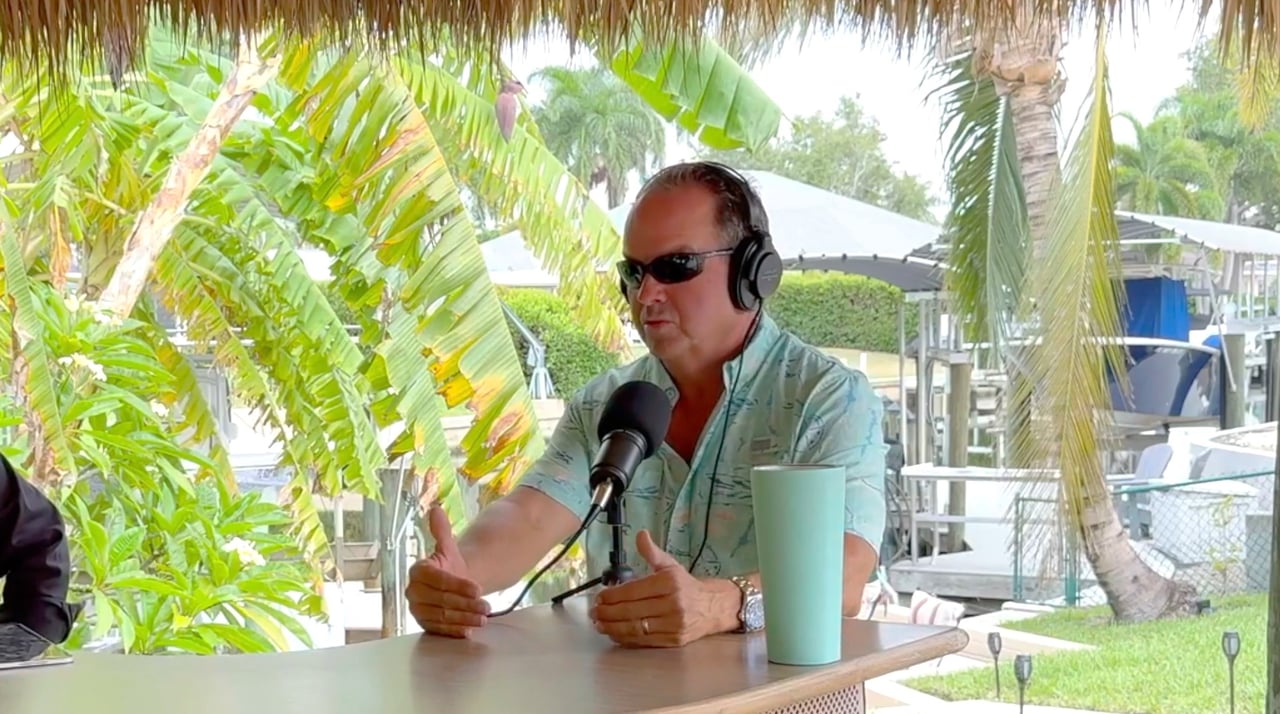
Florida Keys
Before I show a Florida waterfront home in the Keys, Cape Coral, or Fort Myers, I ask what boat you want. Draft, bridge height, and tide decide the neighborhood.
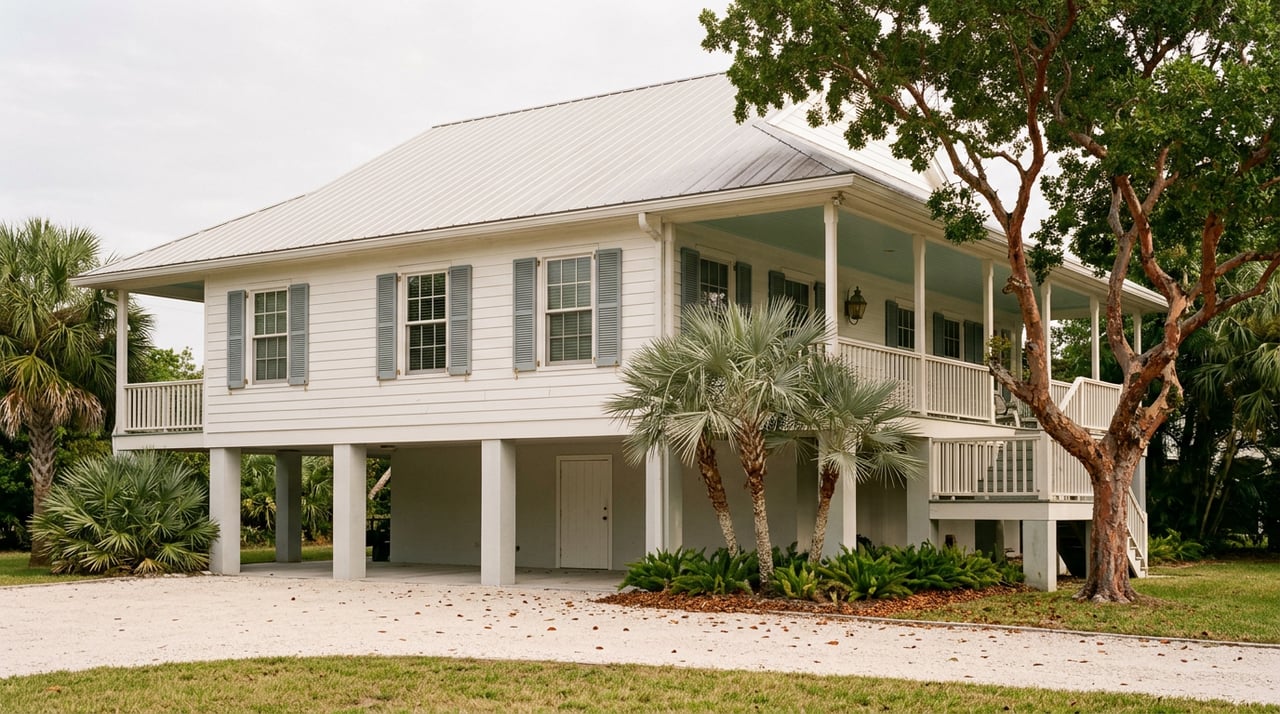
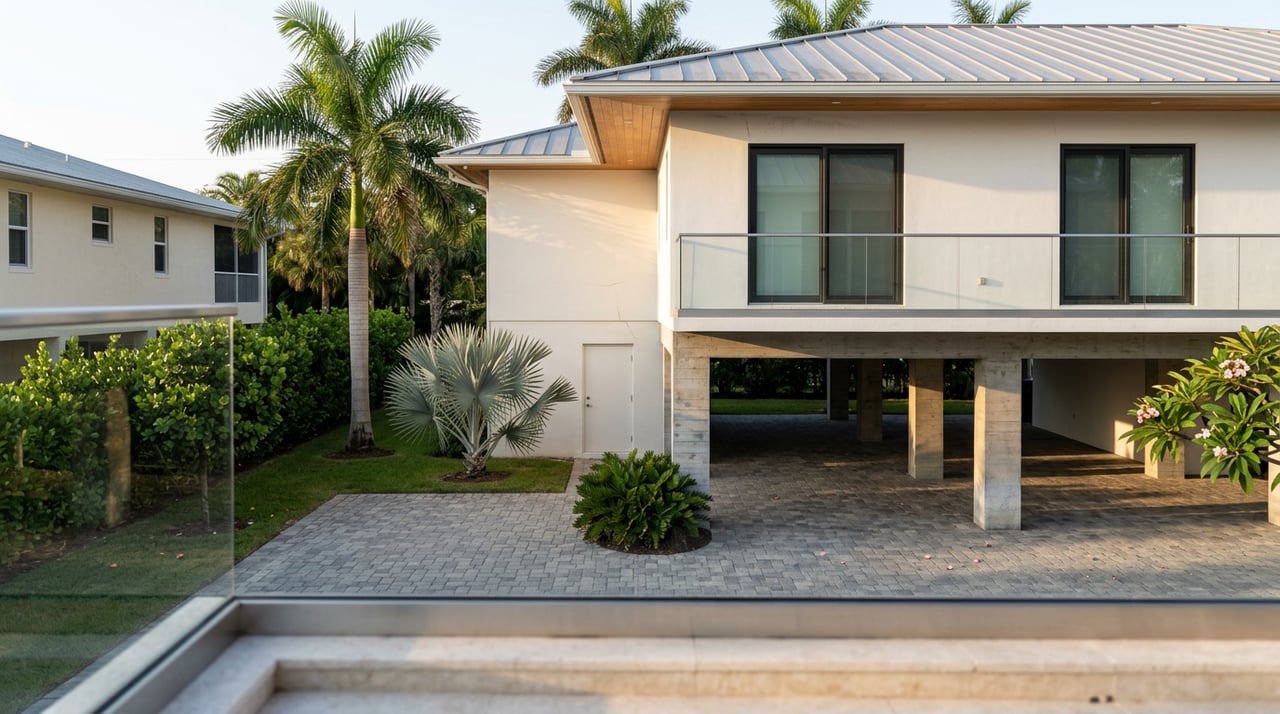
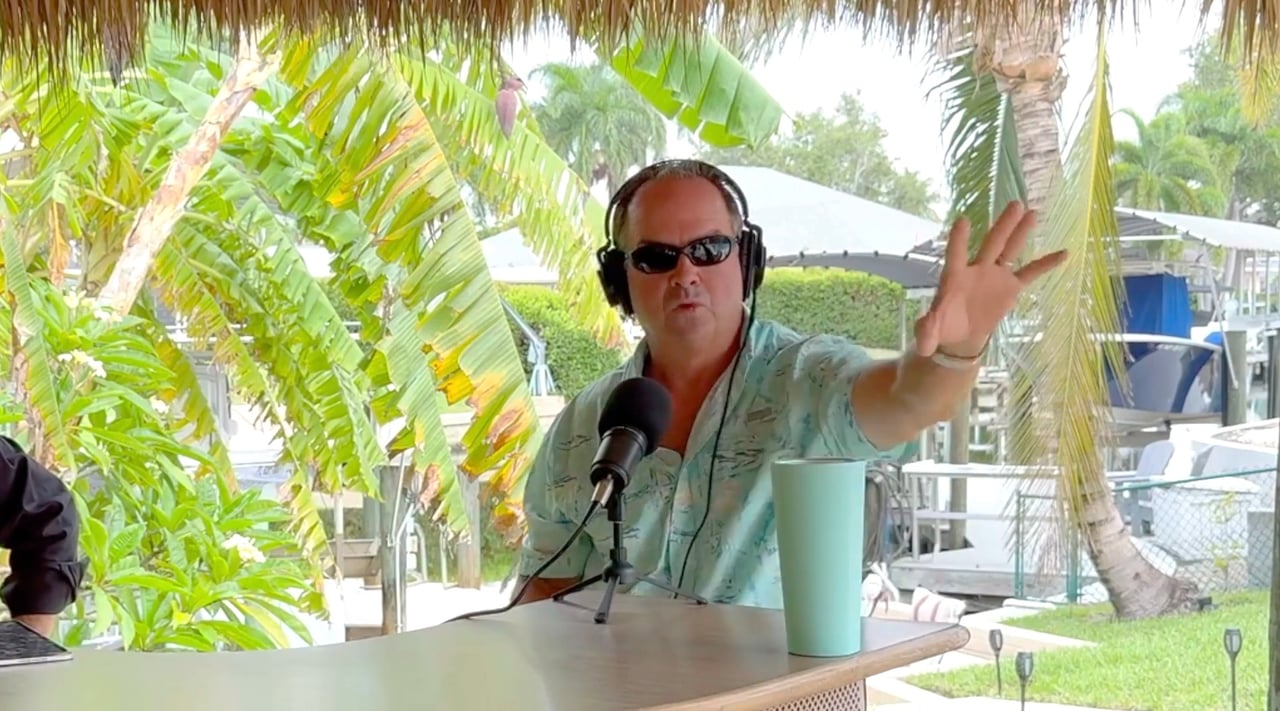
Florida Keys
A real Florida Keys real estate deal showed how a current wind mitigation inspection and one missing detail (the third nail) dropped wind insurance from $12,000 to $5,… Read more
Decades of waterfront expertise, deep local roots, and a passion for the Florida lifestyle define every client experience. The Shane “Waterfront” Wilson combines extensive real estate knowledge with unmatched insight into the Florida Keys and Southwest Florida markets—helping buyers and sellers navigate every step with confidence and ease.
Get In Touch With Our Team
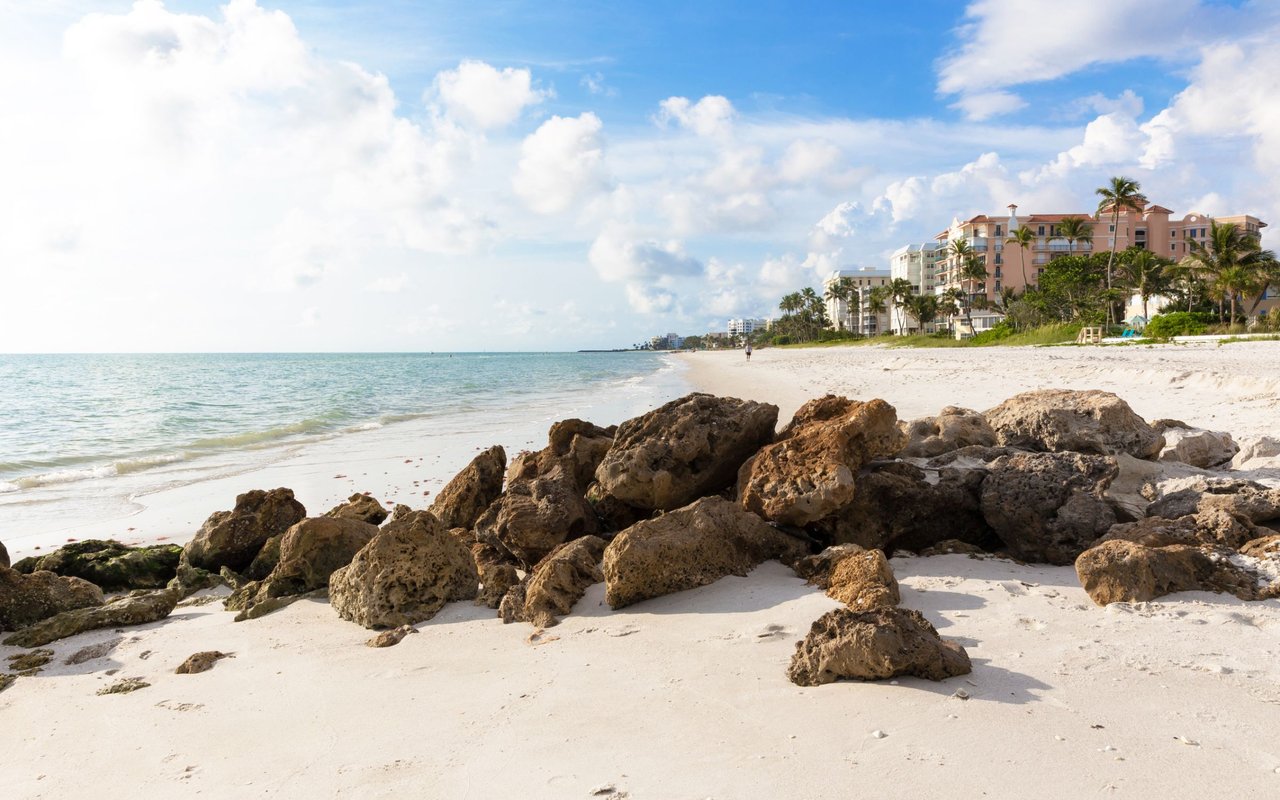
SHANE "WATERFRONT" WILSON
ADDRESS ISLAMORADA 85960 OVERSEAS HWY STE 4 ISLAMORADA, FL 33036 FORT MYERS 7270-4 COLLEGE PKWY FORT MYERS, FL 33907