The Trail Big Pine Key Locals Still Recommend Doesn't Exist Anymore
September 24, 2026
September 24, 2026
Ask someone who has lived on Big Pine Key for more than a decade where to take out-of-town guests, and there is a decent chance they will send you toward a trail that hurricane damage closed years ago and never reopened. That is not a knock on anyone's memory. It is what happens on an island where change tends to run in the opposite direction from what you would expect. The places that feel the most permanent are the ones quietly disappearing, and the places that look temporary are the ones putting down roots.
Big Pine Key runs on that kind of reversal more than most people realize. The refuge trails, protected by federal law and marked on maps for decades, have lost ground. The weekend flea market, the most improvised-looking institution on the island, just spent real money on plumbing and shade structures like it plans to be here for another fifty years. If you want to understand how the island actually works right now rather than how it used to work, that flip is the place to start.
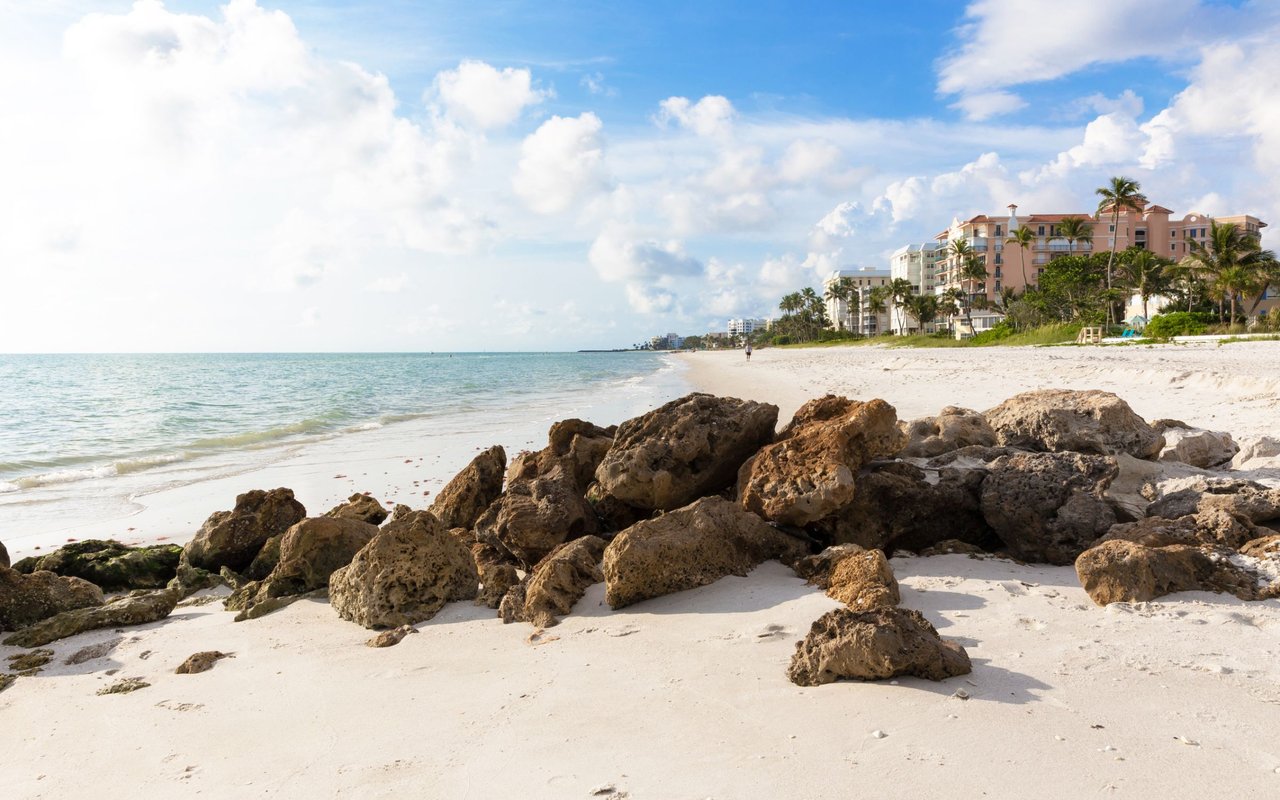
Long Beach Trail used to be one of two recommended stops inside the National Key Deer Refuge, a short walk from the parking area near Blue Hole down to a stretch of shoreline dotted with tidal pools. It sustained significant hurricane damage and, according to the hiking guide Florida Hikes, will not reopen. Walking the shoreline itself is still permitted. The maintained trail that led there is gone for good.
Blue Hole, meanwhile, is exactly where it has always been. The old limestone quarry holds the largest body of freshwater in the Keys and still draws alligators, wading birds, and the deer that come to the edges of the boardwalk to drink. The Fred C. Mannillo Jr. Nature Trail, just up the road at the same parking lot, still winds through pine rockland where deer forage in the understory a few feet from the path. A refuge ranger once described the Key deer as "the ambassador, the animal that gets you in the door," a line worth remembering every morning at Blue Hole, because it stopped being true at Long Beach a while ago.
If your mental map of the refuge still includes that shoreline walk, it is worth updating before you send a visiting friend down there expecting a trailhead that no longer exists.
The refuge's actual front door these days is the Florida Keys National Wildlife Refuges Nature Center on Overseas Highway, just past the island's only traffic light. It replaced what used to be a storefront visitor office and now serves as the information point for all four Keys refuges: National Key Deer, Crocodile Lake, Key West, and Great White Heron. It keeps limited hours, open Wednesday through Saturday, 10 a.m. to 3 p.m., which matters if you are planning a Sunday visit around out-of-town family and assuming a federal building runs on the same schedule as a mainland national park.
The deer population the center exists to protect has come a long way to get here. In 1957, when the refuge was established, about 50 Key deer remained. Today the herd is close to a thousand, spread across roughly two dozen islands from Big Pine Key down through the Sugarloaf Keys. That is not a static exhibit behind glass. It is a slow recovery still playing out on residential streets, which is why deer show up along Key Deer Boulevard and Watson Drive at dawn and dusk no matter what the visitor center's posted hours say.
The center's future is also a live conversation among residents, not a settled fact. A recent letter to the community bulletin at bigpinekey.com floated the idea of a small fenced enclosure for an injured deer at the center, funded by selling deer feed to visitors. That is one resident's proposal, not refuge policy. But it is the kind of idea that only gets raised when people treat a wildlife refuge as a shared backyard instead of a stop on a checklist.
If the trail system has been quietly losing infrastructure, the Big Pine Key Flea Market has been doing the opposite. The market only runs on weekends, Saturday 8 a.m. to 3 p.m. and Sunday 8 a.m. to 2 p.m., which is exactly the kind of schedule that makes a place feel disposable. Instead it has recently put money into a full renovation of its bathrooms, new tents and canopies for its seasonal vendors, and improved grounds. The Fish Fry is still a fixture, the market is still dog-friendly, and vendors still sell everything from local produce to nautical decor to handmade crafts.
A weekend-only market investing in permanent plumbing is not a small signal. It says the vendors and the landlord both expect to be doing this next year, and the year after that, in a way the old shoreline trail no longer gets to.
Food on the island tells a similar story of quiet turnover sitting right next to real staying power. No Name Pub on Watson Boulevard is the closest thing Big Pine Key has to a fixed point, open until 10 p.m. every night and still the highest-rated restaurant on the island by review volume. Coco's Kitchen, a Cuban restaurant on the historic stretch of Overseas Highway, has been serving since 1969, which predates most of the island's current housing stock. Good Food Conspiracy, the health food store people relied on for organic produce long before that had a marketing category, is still doing the same thing it always has.
Big Pine Rooster has had a different path. The building has held a restaurant for more than twenty years, most recently taken over by new ownership in 2019 after the prior concept struggled to keep staff on the floor. It is still open seven days a week, still known for smoked meats and a Cuban sandwich, and currently ranks second among the island's restaurants on Tripadvisor. That kind of ownership churn under a steady location is normal for a small island economy, not a warning sign.
Newer names are filling in around the edges. Pop's Smoke Shed has built a following on brisket and pulled pork out of a smaller footprint than the old guard. Forks & Stix is doing sushi on an island where seafood usually means conch and grouper rather than raw fish, which says something about who is eating here now.
And then there is Winn-Dixie, doubling as the island's actual town square. The store shares its plaza with the Big Pine Key Community Center, a single room that holds 39 people for local meetings. Neighbors on Nextdoor call it "the only bakery on our rock" and point to the local honey and the seafood counter as reasons they shop there instead of driving further up the Keys. A grocery store built for logistics ends up functioning as civic infrastructure because a small island does not have room to keep the two separate.
Strip away the guidebook version and the actual rhythm looks something like this:
None of that requires treating Big Pine Key as a destination to evaluate. It is just what a weekend here actually looks like once you stop assuming which parts of the island are permanent and which ones are not.
That same habit, noticing which trail quietly closed, which restaurant just changed hands, which market put money into its own future, is the instinct that matters when you are trying to understand a piece of property here rather than a Saturday. If you are weighing a move, a sale, or just want a second opinion on how a corner of Big Pine Key actually holds up over time, the Shane "Waterfront" Wilson Team is glad to talk it through.
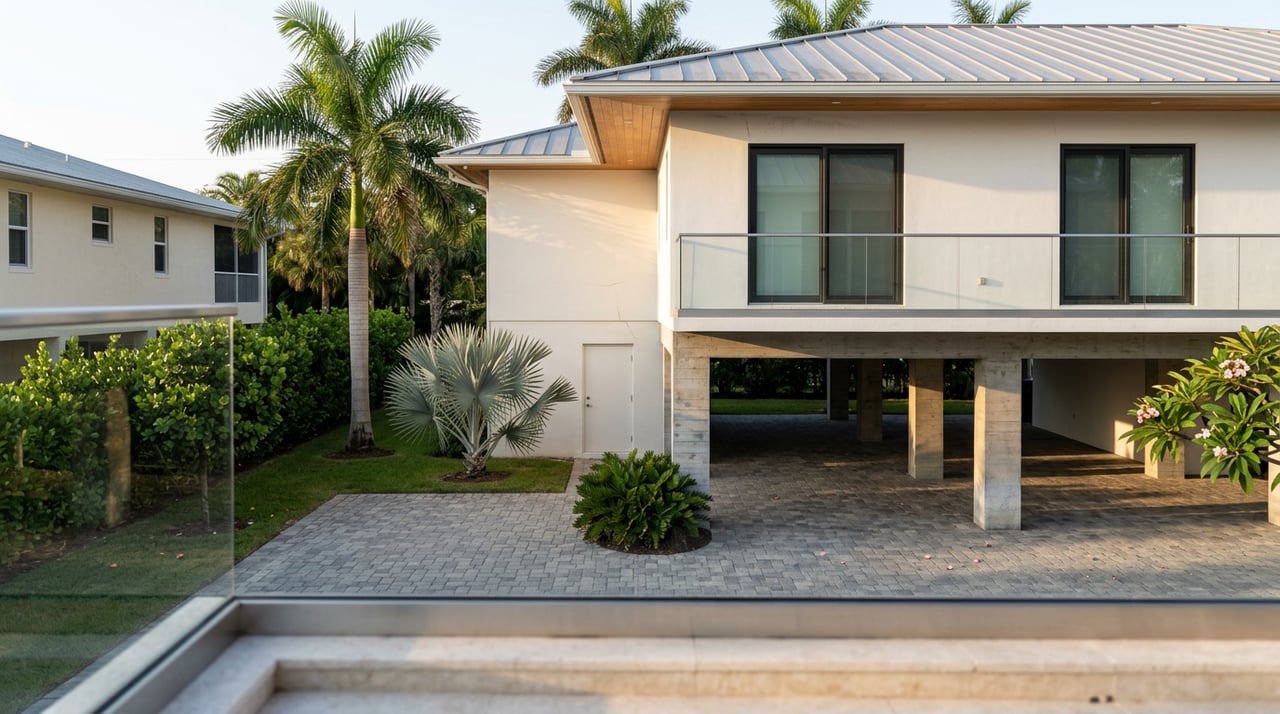
Florida Keys
A real Florida Keys real estate deal showed how a current wind mitigation inspection and one missing detail (the third nail) dropped wind insurance from $12,000 to $5,… Read more
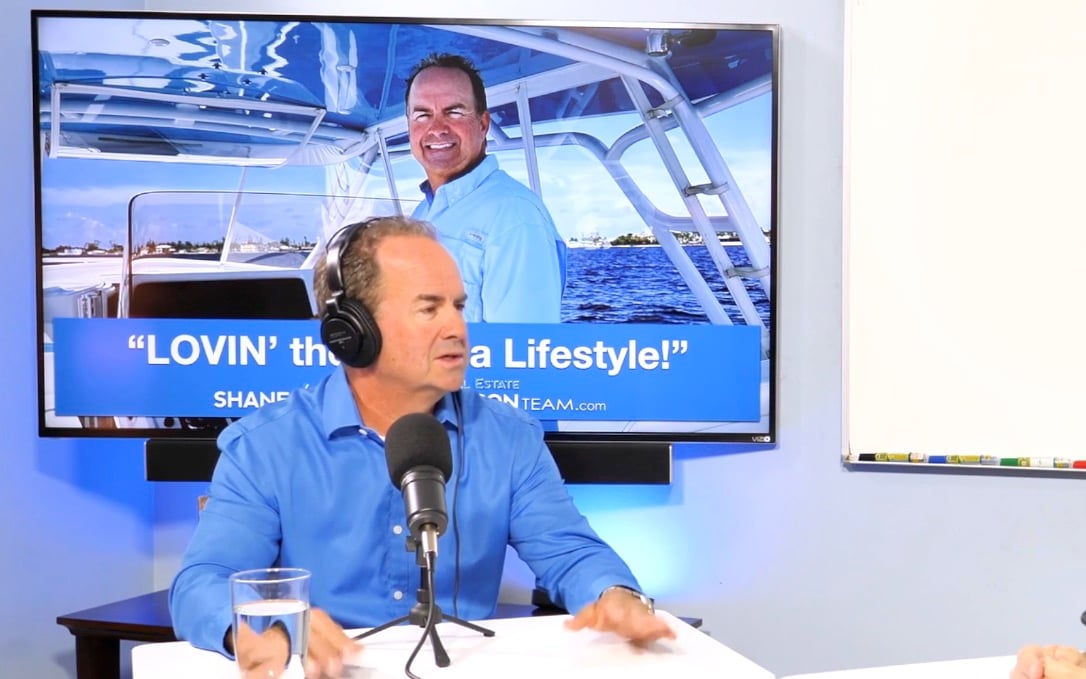
Florida Keys
Welcome to the debut episode of Loving the Florida Lifestyle with veteran Florida real estate broker Shane "Waterfront" Wilson. Grounded in Simon Sinek’s "Golden Circl… Read more
Decades of waterfront expertise, deep local roots, and a passion for the Florida lifestyle define every client experience. The Shane “Waterfront” Wilson combines extensive real estate knowledge with unmatched insight into the Florida Keys and Southwest Florida markets—helping buyers and sellers navigate every step with confidence and ease.
Get In Touch With Our Team
SHANE "WATERFRONT" WILSON
ADDRESS ISLAMORADA 85960 OVERSEAS HWY STE 4 ISLAMORADA, FL 33036 FORT MYERS 7270-4 COLLEGE PKWY FORT MYERS, FL 33907