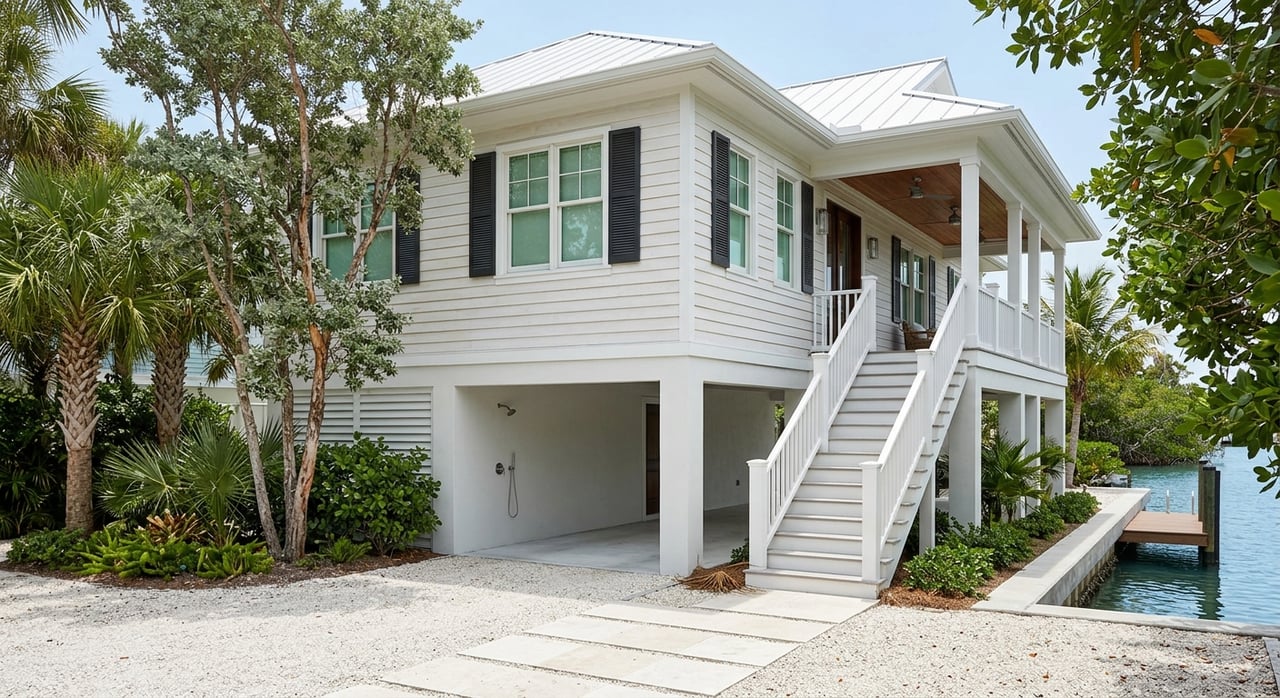
Big Pine Key Waterfront Homes: A Buyer's Guide
July 2, 2026
July 2, 2026
If you picture your Florida Keys getaway as a place where boating, quiet water views, and nature all come together, Big Pine Key deserves a close look. Buying here is not just about finding a house on the water. It is about making sure the property fits how you want to boat, how much upkeep you want, and how comfortable you are with the rules that come with a conservation-minded island. This guide will help you sort through those decisions so you can buy with more clarity and confidence. Let’s dive in.
Big Pine Key stands out in the Lower Keys for its strong connection to nature. The National Key Deer Refuge is home to more than 20 endangered and threatened plant and animal species, and nearby Looe Key National Marine Sanctuary protects 5.32 square nautical miles of reef offshore.
That setting shapes the feel of the island. Bahia Honda State Park describes Big Pine Key as a place to connect with nature, history, and recreation through boating, snorkeling, paddling, and wildlife viewing. Compared with more tourism-oriented Keys destinations like Islamorada or Key West, Big Pine Key tends to feel more like a retreat.
Before you focus on finishes or square footage, think about how you actually want to use the property. In Big Pine Key, the right waterfront home often comes down to your boat, your launch routine, and how hands-on you want to be with dock and seawall maintenance.
For many buyers, the first big choice is between canalfront, open water, and off-water property with public access. Each one can work well, but they offer very different ownership experiences.
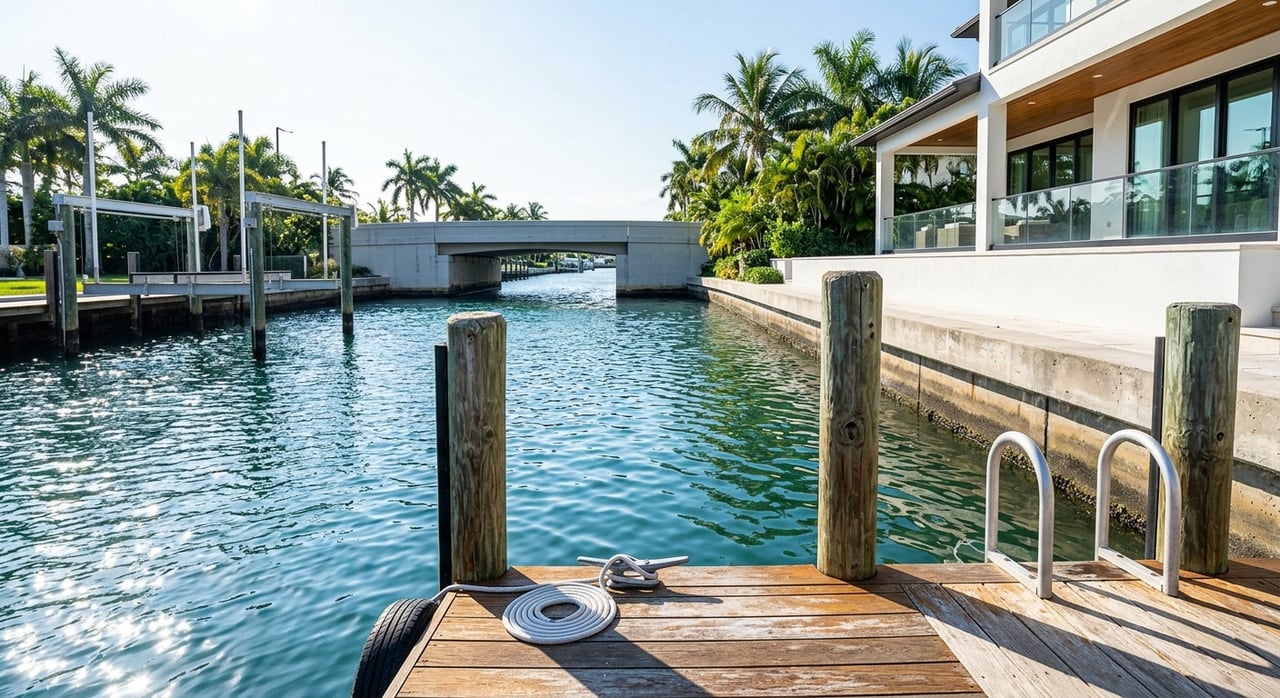
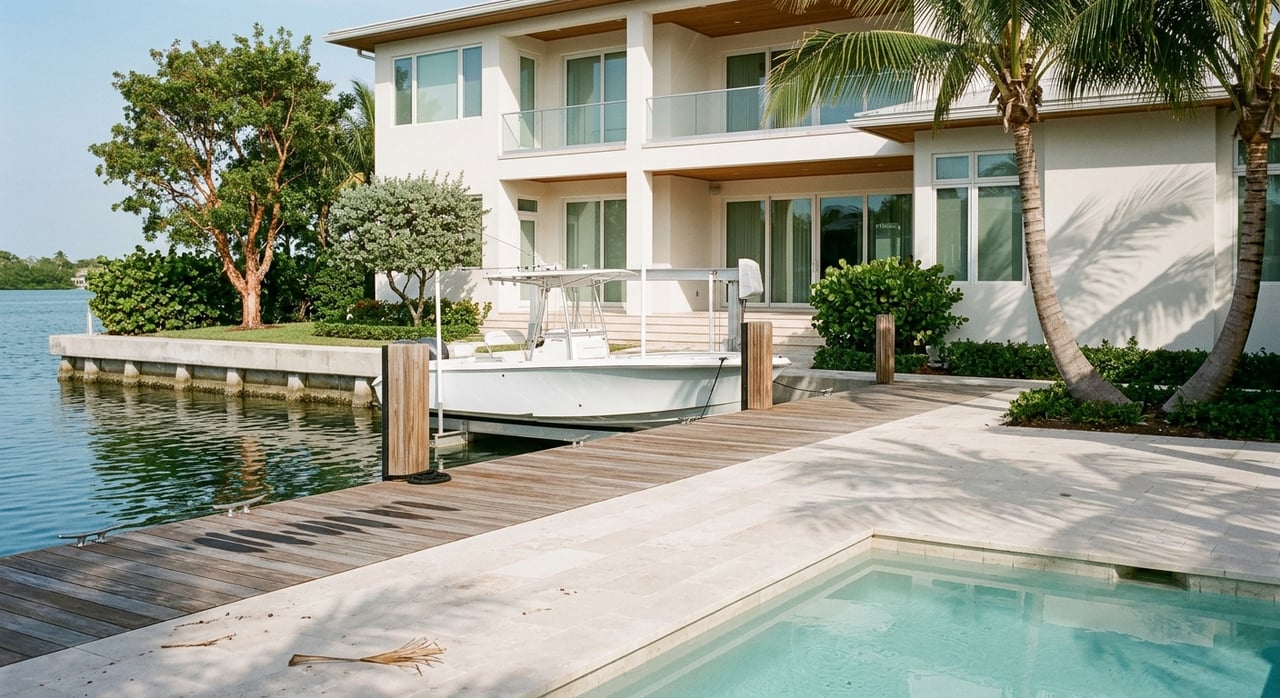
Canalfront homes are often a practical fit if private dockage is high on your list. They can make it easier to keep your boat at home, but the details matter more than the label.
You will want to verify:
That last point matters in the Lower Keys. The Florida Fish and Wildlife Conservation Commission notes that the Koehn Avenue ramp is not usable at all tides and is better suited for small boats, canoes, and kayaks. That is a good reminder that draft and tide are part of the buying decision in this market.
Open water properties often offer broader views and faster access to open boating. In exchange, buyers usually take on more exposure to wind and weather.
In Big Pine Key, open water ownership also sits within the larger sanctuary environment. NOAA notes that sanctuary waters include rules that restrict anchoring on coral, touching coral, and collecting coral. If quick reef access is part of your vision, it helps to understand that boating here comes with habitat protections as part of daily life.
If you do not need a private dock, an off-water home can still support a strong boating lifestyle. Monroe County lists two public ramps in Big Pine Key, and the FWC public access guide also lists Bahia Honda State Park, Sunshine Key Resort and Marina, and Old Wooden Bridge Guest Cottages and Marina.
This option can work especially well if you want less private dock maintenance. Still, you should think through trailer storage, launch convenience, parking, and fees before you buy.
One example is the Eden Pines ramp. Monroe County notes that it is in a residential neighborhood and has no parking for cars or trailers, which can make logistics part of the ownership equation from day one.
Even if you plan to buy direct waterfront, nearby ramps and marina options still matter. They can affect how easily guests launch, how you handle a second boat, and what your backup plan looks like if you ever need service or temporary dock changes.
Bahia Honda State Park is especially relevant for buyers in this area. The park says boating is popular there, boaters can access both the Gulf and the Atlantic, and the main marina has two boat ramps, a 4.5-foot controlling depth, a 32-foot maximum vessel length, and 19 overnight slips with water, electricity, showers, trash disposal, and sewage pump-out.
It is also a strong reminder that Big Pine Key supports more than power boating. Bahia Honda allows kayak and canoe launches from the ocean side or the Gulf-side boat ramp, which adds to the area’s paddling appeal.
Because ramp conditions can change, it is smart to verify current depth, parking, launch rules, and fees before you rely on any one access point. FWC notes that ramp details are current only as of the survey date and may have changed.
In Big Pine Key, flood planning is not optional. Monroe County says all of the county is in a floodplain, with base flood elevations ranging from 6 to 17 feet above mean sea level.
That affects both how you evaluate a home and what you budget for long term. Monroe County also states that standard homeowners insurance excludes flood damage, and separate flood insurance may be required when a home is in a FEMA Special Flood Hazard Area.
FEMA says the National Flood Insurance Program allows property owners in participating communities to buy flood insurance for protection against flood losses. Monroe County also participates in the Community Rating System and has cited 25 percent discounts for residential NFIP plans in unincorporated Monroe County.
Many waterfront and near-water homes in the Keys are elevated, and that creates a few practical questions for buyers. The downstairs area may look flexible, but Monroe County floodplain rules place clear limits on how enclosed lower-level space can be used.
The county says enclosed downstairs space below elevated homes can be used only for:
It cannot be converted into living space. If an owner wants a larger enclosure, Monroe County says a non-conversion agreement is required.
This is one of the most important details to confirm before you buy. A home may look perfect on paper, but how the lower level is permitted and used can directly affect value, future plans, and peace of mind.
If you are buying with plans to add on, rebuild, or start fresh, permit timing and development rules should be part of your decision before you close. In Monroe County, new builds and major redevelopment can be affected by the ROGO and NROGO permit allocation systems.
According to the county, these systems are designed to steer development away from velocity zones and environmentally sensitive areas. For Big Pine Key in particular, the criteria include negative points for development in the Key Deer Corridor and in V zones.
That does not mean a project is impossible. It does mean buyers should confirm permit implications early if the property is meant to support a future expansion or tear-down-and-rebuild strategy.
Big Pine Key offers a rare kind of waterfront lifestyle, but it comes with responsibilities that are more visible than in many coastal markets. The U.S. Fish and Wildlife Service says key deer are unique to the Lower Florida Keys and asks drivers to use caution and not feed the deer.
For homeowners, that can shape daily decisions in simple but important ways. Lighting, landscaping, pet control, and road awareness can all become part of how you live on the island, especially near refuge edges.
This is one reason Big Pine Key appeals to buyers who want a quieter, conservation-oriented setting. If that sounds like your pace, the island can be a very strong fit.
A waterfront retreat has carrying costs that go beyond your mortgage. The Consumer Financial Protection Bureau recommends building a monthly ownership budget around mortgage principal and interest, property taxes, homeowner's insurance, flood insurance, HOA dues, maintenance, repairs, and utilities.
That advice is especially useful in Big Pine Key. Access, resilience features, insurance costs, and waterfront upkeep can all have a meaningful impact on what the home really costs to own month to month.
As you compare homes, keep your budget grounded in how you plan to use the property. A less expensive home may not be the better value if it adds boating workarounds, higher maintenance, or difficult launch logistics.
As you narrow your options, focus on the details that affect real day-to-day use:
When you answer those questions early, it gets much easier to spot the right retreat instead of just the prettiest listing photos.
Buying in Big Pine Key is about more than finding water in the backyard. It is about matching the property to your boat, your budget, your long-term plans, and the unique rhythm of a place where nature and waterfront living are closely connected. If you want help sorting through canal choices, dockage, boating access, or overall fit, Shane Wilson can help you make the process feel informed and manageable.
Podcasts
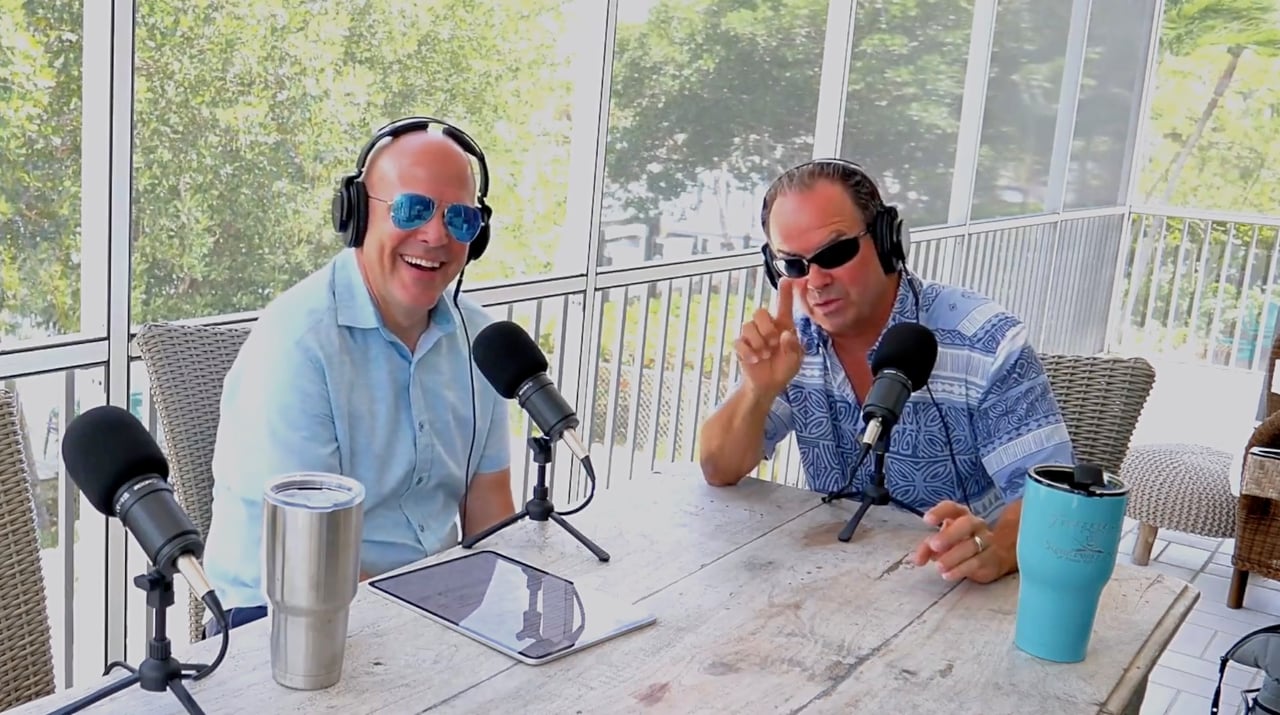
Learn the power of fast responses, genuine customer care, turning ADHD into a superpower, and building lifelong client relationships.
Decades of waterfront expertise, deep local roots, and a passion for the Florida lifestyle define every client experience. The Shane “Waterfront” Wilson combines extensive real estate knowledge with unmatched insight into the Florida Keys and Southwest Florida markets—helping buyers and sellers navigate every step with confidence and ease.
Get In Touch With Our Team
SHANE "WATERFRONT" WILSON
ADDRESS ISLAMORADA 85960 OVERSEAS HWY STE 4 ISLAMORADA, FL 33036 FORT MYERS 7270-4 COLLEGE PKWY FORT MYERS, FL 33907