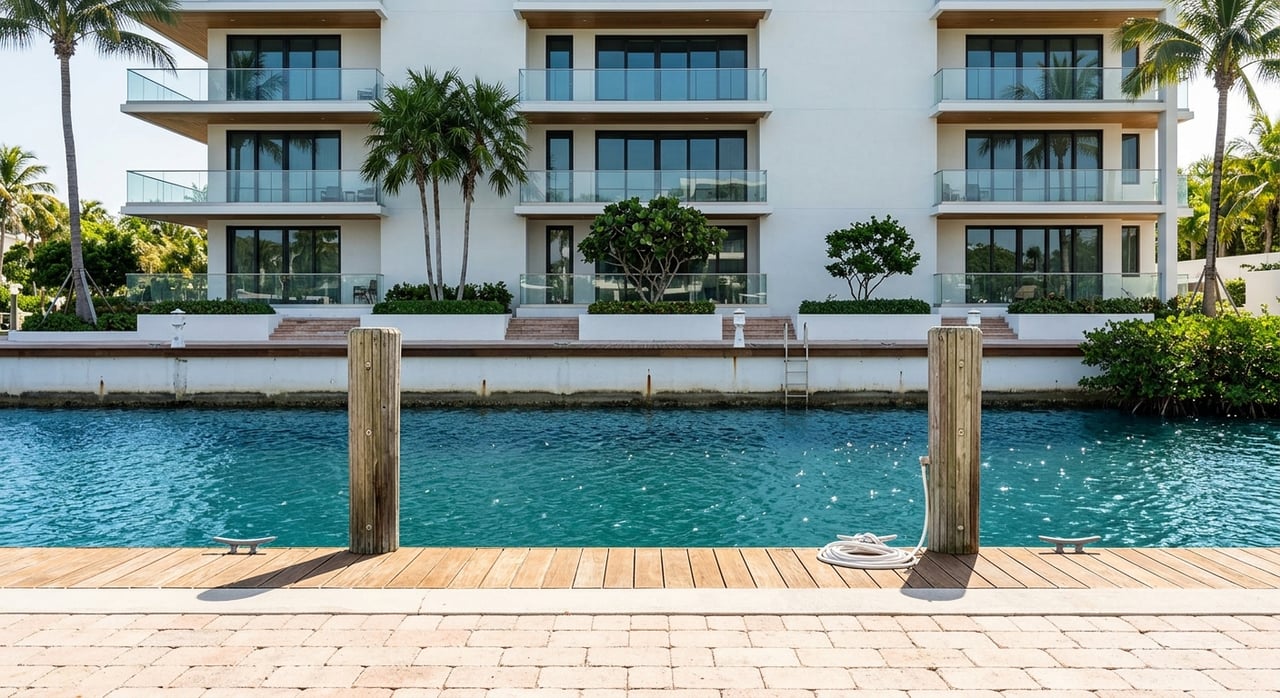
Best Marathon Waterfront Neighborhoods for Serious Boaters
July 9, 2026
July 9, 2026
If you are shopping Marathon waterfront with a serious boat in mind, one thing matters right away: not all water access here works the same. Marathon stretches across a chain of islands from about MM47 to MM60, so your best fit often comes down to how you boat, where you want to launch, and whether you want a dock, a marina setup, or protected harbor access. This guide breaks down the main waterfront areas serious boaters should compare in Marathon so you can narrow your search with more confidence. Let’s dive in.
Marathon works well as a boating base because it blends daily convenience with real marine infrastructure. The city describes Marathon as the Heart of the Florida Keys, and its layout across multiple islands helps explain why boating access patterns matter so much when you choose where to live.
You are not just choosing a home near the water here. You are also choosing between protected harbor conditions, reef-oriented Atlantic access, public launch convenience, and canal-front ownership. That mix gives serious boaters more than one way to make Marathon work.
The city also notes that Marathon supports a boating lifestyle with marine retailers, boatyards, restaurants, grocery stores, a library, and a hospital. For many buyers, that overlap between boating function and everyday livability is a big part of the appeal.
Before you compare neighborhoods, it helps to define what matters most to you on the water. In Marathon, the right location often depends less on the address and more on your boating routine.
Ask yourself a few practical questions first:
Those answers will usually point you toward the right part of Marathon faster than square footage alone.
Boot Key Harbor is one of the clearest choices for buyers who want a protected, marina-centered boating setup. The city says the harbor has two Atlantic inlets, a 226-ball mooring field, and a large anchorage area, with the west entrance and main channel at 6 feet mean low water.
There is also a south entrance through Sister Creek at 4.2 feet mean low water, which is better suited to smaller or shallow-draft vessels. That difference matters if your boat size or draft affects where and how you move through the harbor.
This area makes the most sense if you value protected water, central location, and marina-oriented access. It is a strong match for buyers who like the idea of harbor living and want a practical in-town boating base.
The city marina is liveaboard-only and does not offer wet storage. That means Boot Key Harbor is not the same as shopping for a house with a private dock in the backyard.
The tradeoff is simple. Boot Key Harbor is more about harbor and mooring lifestyle than private-dock neighborhood living.
If your top goal is keeping a vessel in a protected setting with city marina access nearby, this area deserves a close look. If your top goal is stepping out your back door to your own dock, other parts of Marathon may fit better.
If your boating life centers on the Atlantic side, Sombrero is one of the most relevant areas to compare. The city identifies Sombrero Beach as a redeveloped park and sandy beach on the Atlantic Ocean, and the nearby reef system adds to the appeal for boaters who prioritize offshore days.
NOAA says Sombrero Key Sanctuary Preservation Area is a 208-acre spur-and-groove reef about four miles seaward of Boot Key. It is also one of the most popular snorkeling and diving spots in the Middle Keys.
For buyers who care about reef access, diving, and ocean-oriented boating, Sombrero stands out. It gives you a clear Atlantic-side reference point in Marathon and a location tied closely to offshore recreation.
This area can be especially appealing if your ideal waterfront lifestyle includes early runs out to the reef and an oceanfront setting back at home.
Oceanfront and reef-side locations come with extra coastal considerations. The city confirms Sombrero Beach is also a turtle-nesting beach with seasonal restrictions, and NOAA notes that special regulations apply in the sanctuary area.
Mooring buoys are used to help protect the reef, and anchoring on living coral is prohibited within the sanctuary. If reef boating is part of your plan, it helps to understand that access comes with environmental rules and stewardship responsibilities.
Coco Plum is another key area for boating buyers who want Atlantic-side waterfront context. The city describes Coco Plum Beach as a natural beach area with an adjacent wetland area, and city records also show ongoing marina operations at 77 Coco Plum Drive near MM54.
That combination makes Coco Plum different from a simple beach-only setting. You are looking at an area with both coastal scenery and active marine relevance.
Coco Plum may appeal to buyers who want beach adjacency, marina presence, and an ocean-oriented setting. It can be a good fit if you like the Atlantic side of Marathon and want to compare more than one reef-access area.
At the same time, Coco Plum is also one of the areas where local resiliency planning is especially visible. The city’s adaptation planning for Coco Plum addresses flooding, loss of power, coastal erosion, and sea-level rise.
That does not make Coco Plum a no. It means you should verify the details carefully.
Before buying, make sure you understand flood exposure, access patterns, and infrastructure context for the specific property you are considering. In waterfront real estate, the setting can be beautiful while the practical questions still matter just as much.
Not every serious boater wants to keep a boat behind the house. If you trailer your boat and care most about launch convenience, the MM49 to MM54 corridor deserves attention.
The city says public boat ramps are located at 33rd Street Gulf at MM49, The Quay on Overseas Highway at MM54, and Harbor Drive behind the airport. These ramps are open 24 hours a day, seven days a week, with no overnight parking.
This part of Marathon is practical for buyers who want easy launching rather than private dock ownership. It is less about a single defined canal neighborhood and more about convenience, flexibility, and getting on the water efficiently.
If your boating routine starts with a trailer and a ramp instead of a lift and seawall, this corridor may be more useful than a canal-front address that adds cost without matching how you actually use your boat.
For many serious boaters, canal-front ownership is still the dream. Marathon has a substantial canal-home market, but this is also where local knowledge matters most.
The city says all of Marathon is within a coastal floodplain, and Monroe County’s canal work shows that canal differences are real. Water quality, depth, connectivity to nearshore waters, and the number of parcels along each canal can vary.
Two canal-front homes can look similar on paper and function very differently for a boater. The important questions go beyond whether the property is on a canal.
You should also look at:
Monroe County maintains canal inventory and restoration efforts, and the city’s recent financial reporting notes active bridge rehabilitation, replacement, and canal and culvert restoration projects. That is a reminder to evaluate each canal setting individually rather than assume all canal-front properties offer the same boating experience.
The easiest way to shop Marathon is to match each area to your boating lifestyle.
| Boating priority | Best area to compare | Main tradeoff |
|---|---|---|
| Protected harbor access | Boot Key Harbor | Less focused on private-dock living |
| Reef and Atlantic boating | Sombrero | More coastal exposure and environmental rules |
| Beach-adjacent marina setting | Coco Plum | Flood and resiliency details need close review |
| Easy public launching | MM49 to MM54 corridor | Not centered on private dock ownership |
| Dock behind the home | Canal-front streets | Canal quality, depth, and flood exposure vary |
No matter which part of Marathon interests you most, serious boaters should slow down and verify the details that affect everyday use. A beautiful waterfront address does not automatically mean the property fits your boat, your launch habits, or your comfort level with flood and infrastructure issues.
Focus on the basics first:
That kind of due diligence is what turns a good-looking waterfront listing into the right waterfront purchase.
If you are narrowing your options in Marathon, the smartest move is to shop by boating pattern, not just by price point or curb appeal. The right fit might be a protected harbor setup, a reef-side location, a launch-friendly corridor, or a canal-front home with the right access details. When you understand those differences upfront, your search becomes much more focused and much less stressful.
If you want help sorting through Marathon waterfront options based on how you actually boat, connect with Shane Wilson. His local boating knowledge and waterfront experience can help you compare access, dockage, and neighborhood fit with confidence.
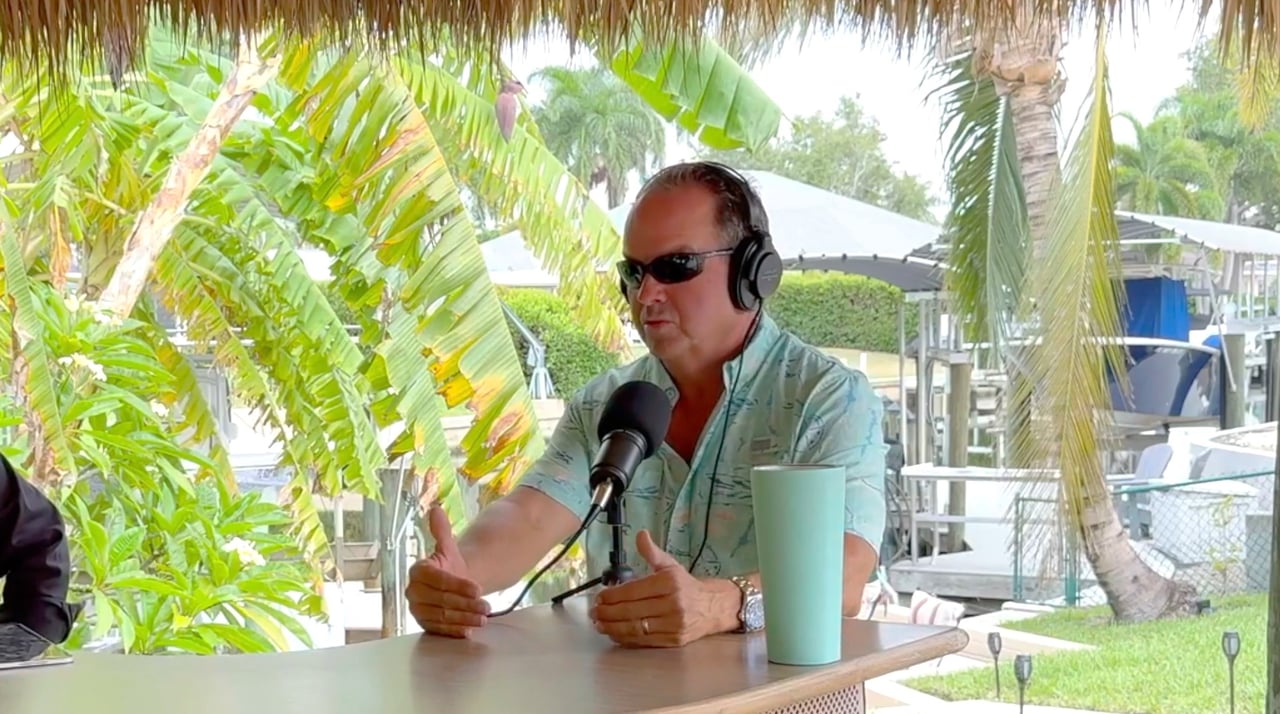
Florida Keys
Before I show a Florida waterfront home in the Keys, Cape Coral, or Fort Myers, I ask what boat you want. Draft, bridge height, and tide decide the neighborhood.
Decades of waterfront expertise, deep local roots, and a passion for the Florida lifestyle define every client experience. The Shane “Waterfront” Wilson combines extensive real estate knowledge with unmatched insight into the Florida Keys and Southwest Florida markets—helping buyers and sellers navigate every step with confidence and ease.
Get In Touch With Our Team
SHANE "WATERFRONT" WILSON
ADDRESS ISLAMORADA 85960 OVERSEAS HWY STE 4 ISLAMORADA, FL 33036 FORT MYERS 7270-4 COLLEGE PKWY FORT MYERS, FL 33907